
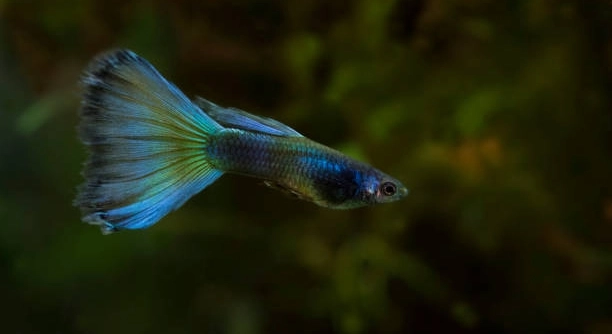
Is your guppy tank full of life, but your fish still seem bored or uninterested in their surroundings most of the time?
Encouraging guppy playfulness involves enriching their environment with plants, toys, and varied stimuli. Guppies respond well to movement, light, and interaction, so providing a stimulating space helps promote natural behaviors, reduce stress, and improve overall health.
There are simple, effective ways to add excitement to your guppies’ daily routine without disrupting their tank environment.
Add Live Plants to Their Tank
Live plants give guppies spaces to explore, hide, and swim through. This kind of environment feels natural to them and keeps them active. Plants like Java moss, Anubias, and Hornwort are great options because they are easy to care for and safe for guppies. With live plants, guppies tend to feel more secure, especially when they’re young or new to the tank. The plants also help improve water quality by absorbing waste, which creates a healthier space. Adding variety in plant heights and types will keep things interesting. If you notice your guppies hovering near the surface or staying in one corner, adding live plants can change that. They’ll start darting in and out, exploring the new layout. Even shy guppies often come out more when the tank feels lush and comfortable.
Live plants can also provide food in the form of biofilm, which guppies may nibble on throughout the day.
With just a few rooted or floating plants, your guppies can stay curious, playful, and comfortable in their environment.
Change the Tank Layout Often
A static tank layout can become too familiar, making guppies less active and alert over time. Small changes can go a long way.
Changing the tank layout regularly keeps your guppies mentally stimulated. You don’t need to buy new items each time. Simply rearrange decorations, move plants, or shift hiding spots to new areas. These minor adjustments can create the feeling of a new space. Guppies will quickly notice and start exploring, reacting to the unfamiliar setup. This mimics the dynamic nature of their native habitats, where currents, plants, and objects are always shifting. The added stimulation helps reduce boredom and stress, which can lead to more social interaction and brighter colors. If you use rocks, driftwood, or PVC pieces, rotate them weekly or every other week. Be sure not to overcrowd the tank or block swimming areas. Always monitor their behavior after changes. If they appear more active or begin to explore immediately, that’s a good sign the update was beneficial.
Offer Floating Toys and Objects
Floating objects can attract a guppy’s attention and stimulate movement. Items like ping pong balls or soft plastic rings are safe and easy to add without disrupting the tank balance or water quality.
Guppies are naturally curious and tend to investigate anything new that appears near the water’s surface. By placing floating toys, you’re giving them something to nudge, swim around, or chase. These toys also help encourage surface activity, which can reduce lethargy. Choose objects that are non-toxic and free from sharp edges. It’s best to avoid anything painted or coated, as chemicals can leach into the water. Rotate or swap these items every few days to maintain interest. If the guppies seem to lose interest, remove the toy and introduce something different later. Keep their reactions in mind when experimenting to ensure you’re adding value to their space.
Using simple floating items is a cost-effective way to engage your guppies daily. Just make sure the toys don’t block food or filters. Keep them in a part of the tank where fish often gather, like open surface areas. You can also attach small plant cuttings to a floating ring to create both shade and interest. These minor additions make a big difference in their energy levels.
Introduce Gentle Water Movement
Gentle currents mimic the conditions guppies experience in the wild and keep them swimming more actively throughout the day. It’s a simple way to boost playfulness naturally without overwhelming them.
Use a low-flow filter, air stone, or sponge filter to create just enough movement to push water slowly across the tank. Avoid strong currents that may stress or exhaust the guppies. You’ll often notice them chasing the flow or hovering playfully in the path. This kind of gentle resistance can be stimulating and even help improve their muscle tone. Keep an eye on how they react after changes. If they seem to avoid the flow entirely, the water might be moving too fast. Try adjusting the output direction or flow rate if needed.
The added movement also helps with oxygenation and circulation, which improves overall tank health. Even with live plants present, good circulation prevents dead spots and algae buildup. When the tank feels more alive and balanced, guppies respond with increased movement and interaction. You may notice more group swimming or spontaneous darting as they play with the current. If your tank has different flow zones, guppies will often choose the one that matches their mood, making them more engaged throughout the day.
Add a Variety of Hiding Spots
Having multiple hiding places helps guppies feel secure and encourages natural behaviors. When they feel safe, they’re more likely to come out and explore their environment with confidence and curiosity.
Use caves, tunnels, or even decorations with holes to create spaces where guppies can rest or play inside.
Rotate Tank Mates Occasionally
Some peaceful tank mates can bring energy into the tank and inspire playful behavior. Choose calm, community-friendly species that won’t stress or outcompete your guppies. Endler’s livebearers or small tetras can work well, but always monitor interactions closely. Avoid overcrowding and keep water quality stable with each adjustment.
Use a Feeding Ring
A feeding ring keeps floating food in one place, which encourages group feeding and active movement. Guppies will associate the area with mealtime, making them more alert and engaged whenever food appears.
FAQ
How often should I change the decorations in my guppy tank?
Changing decorations or rearranging them every two to three weeks can help keep your guppies interested. Constant changes to their environment stimulate exploration and prevent them from becoming bored. However, it’s important not to do too much at once, as this can cause stress. Try switching things up gradually and observe how they respond. If you notice more playful swimming or curiosity after an adjustment, you’re on the right track.
Can guppies get bored in their tank?
Yes, guppies can get bored, especially if their tank has little to no stimulation. If they are not given enough to interact with, they may appear less active or show signs of stress, such as hiding or staying in one spot for too long. Adding plants, decorations, and even toys can encourage movement and make them more playful.
Is it okay to have guppies with other species in the same tank?
Yes, guppies can live with many other species, but it’s important to choose peaceful tank mates. Species that are too aggressive or large may stress out the guppies. Small community fish like neon tetras, corydoras catfish, or rasboras work well with guppies. Always monitor interactions to ensure they’re not causing harm to each other.
Do guppies like having a lot of space?
While guppies don’t need an enormous tank, providing enough space helps reduce stress. A tank that’s too small can lead to territorial behavior or overcrowding, which can affect their health and playfulness. A 10-gallon tank is a good starting point for a small group of guppies. Larger tanks allow for more movement and stimulation.
What should I feed my guppies to keep them active?
A varied diet encourages activity in guppies. You can feed them high-quality flakes, pellets, and frozen or live foods like brine shrimp or daphnia. These foods not only provide the necessary nutrition but also engage their hunting instincts. Avoid overfeeding, as this can lead to health issues.
Can I use LED lighting to keep guppies active?
Yes, LED lighting can help keep guppies active, especially when it mimics natural day-night cycles. Guppies are more likely to be active during the day when there is light, and they rest at night when it’s dark. Make sure to set a consistent light schedule to avoid disrupting their natural rhythm.
Should I add a filter to the guppy tank?
Yes, a filter is essential for maintaining water quality and keeping your guppies healthy. Clean water promotes a more active and playful environment. Be sure to choose a filter with a gentle flow, as strong currents can stress out guppies. Regular maintenance of the filter is important for the overall health of the tank.
How can I tell if my guppies are stressed?
Stressed guppies may display behavior such as hiding in corners, staying near the surface, or not eating. They might also show signs of fin clamping or fading colors. Stress can be caused by poor water quality, overcrowding, or aggressive tank mates. Keep an eye on their behavior and adjust the environment as needed.
Can I keep male and female guppies together?
Yes, male and female guppies can live together, but it’s important to maintain a healthy ratio of males to females. Too many males may cause stress to the females, as they will be constantly pursued. A good ratio is 1 male to 2 or 3 females. If you don’t want babies, consider keeping only males.
How can I keep my guppies healthy and happy?
To keep guppies healthy and happy, ensure they have a clean, well-maintained tank with appropriate water conditions (temperature, pH, and hardness). Provide them with a varied diet, live plants, and stimulation through toys or tank mates. Regular water changes and monitoring water quality are also key to their well-being.
Final Thoughts
Encouraging guppy playfulness is not as difficult as it may seem. Simple changes to their environment, such as adding toys, adjusting the water flow, or including hiding spots, can make a big difference in their activity levels. Guppies are curious by nature and enjoy exploring their space, especially when it offers variety and safe places to hide or swim around. By keeping their environment dynamic and engaging, you encourage them to be more active and playful.
Providing a balanced routine is key to keeping guppies happy. Regular feeding, maintaining water quality, and offering occasional changes in their environment will support their well-being. It’s also important to observe how they respond to the changes you make. Every guppy is unique, and knowing how they react can help you fine-tune the activities and decorations that best suit them. You should also make sure that tank mates, if any, are compatible and not causing stress, as guppies thrive in peaceful, well-balanced environments.
In the end, small efforts can lead to significant improvements in your guppies’ playfulness. With the right mix of stimulation and care, you can keep them active, healthy, and entertained for years to come. Experimenting with different setups, foods, and even the tank’s lighting can bring a new level of enjoyment for both you and your guppies. The more you understand their needs, the more rewarding the experience will be.

Hello,
If you enjoy the content that we create, please consider saying a "Thank You!" by leaving a tip.
Every little bit helps us continue crafting quality advice that supports the health, happiness, and well-being of pets around the world, for pets of all shapes, sizes, and species.
We really appreciate the kindness and support that you show us!