
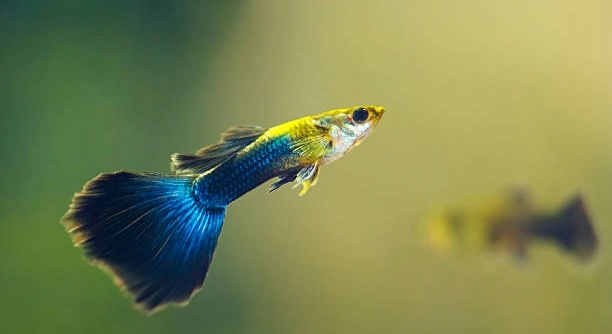
Do you ever find yourself hoping your guppies would breed more often, but nothing seems to be happening in your tank?
The most effective way to encourage guppy breeding is by providing optimal water conditions, a healthy diet, and a stress-free environment. These factors work together to promote natural mating behaviors and increase the chances of successful reproduction.
Creating the right setting for guppies is simpler than it sounds, and each small change can lead to more fry in your aquarium.
Keep the Water Clean and Warm
A clean and warm tank helps guppies feel safe and ready to breed. Guppies thrive in water that stays between 75°F and 82°F. Use a heater to maintain a stable temperature. Sudden changes in water temperature can stop breeding behavior. It’s also important to keep the tank water clean. Perform regular water changes, about 25% every week, and make sure your filter is working properly. Dirty water can stress your guppies, and stress slows down reproduction. Add live plants to support good water quality and offer hiding spots. Guppies like a peaceful and steady environment, and when those needs are met, they are more likely to mate and produce healthy fry.
Warmer water speeds up guppies’ metabolism, which can encourage them to breed more frequently. Clean water reduces stress and keeps them healthy.
Maintaining water quality and temperature isn’t hard, but it makes a big difference. These two steps alone can boost breeding activity in your tank.
Feed High-Quality Food
A nutritious diet encourages breeding and helps guppies stay active and vibrant.
Feeding guppies high-quality food is essential for encouraging reproduction. Offer a mix of flake food, frozen or live food like brine shrimp and daphnia, and some vegetables. This variety gives them the protein and nutrients they need to develop eggs and sperm properly. Males become more energetic, and females are more likely to carry and release fry. Feed them small amounts two to three times a day, but avoid overfeeding, as uneaten food can lower water quality. If you notice your guppies staying near the bottom or ignoring food, it may be time to check your feeding habits and make adjustments. Try to stick to a routine. When guppies are fed consistently with balanced food, they show stronger breeding behavior. This routine also supports the growth of healthy fry once they are born, which is an added bonus when you’re looking to raise more guppies.
Add More Hiding Spots
Guppies feel more secure when they have hiding spots in the tank. This is especially important for pregnant females and newborn fry. Plants, rocks, and small decorations help create a safe environment, which can lead to more frequent breeding.
Live plants like Java moss or Hornwort are great choices because they offer natural cover and help improve water quality at the same time. Female guppies often look for calm and hidden areas to give birth. Without these spots, they can become stressed or even get chased by other fish. Decorations like caves, driftwood, or breeding boxes also give fry places to hide from adults who may try to eat them. A mix of plant life and decor can create layers in your tank, making it feel safer for all the fish. When your guppies feel protected, they are more likely to breed comfortably and regularly.
Even if your tank looks nice without extra cover, guppies may not feel secure enough to breed. It doesn’t take much—just a few plants and a small decoration or two can create a big difference. Watch how your guppies behave once they have hiding spots. You’ll likely notice calmer fish and more signs of breeding.
Keep the Tank Peaceful
Too much activity in a tank can stress out guppies, especially if there are aggressive tank mates or fast swimmers. Stress reduces the chances of breeding and can make guppies sick over time.
It’s important to house guppies with other peaceful fish that won’t chase or nip at their fins. Avoid fish that move quickly or dominate the tank. If your guppies look nervous or hide often, it might be time to change who they live with. Overcrowding can also lead to stress, so make sure your tank isn’t packed with too many fish. Stick to the recommended limit based on your tank size, and make sure everyone has enough room. Keeping a peaceful tank helps your guppies feel safe enough to breed. It also gives the newborn fry a better chance of survival when they aren’t competing for space or dodging larger fish.
Use a Breeding Box
A breeding box keeps pregnant females and fry safe. It prevents adult fish from eating the newborns right after birth. Place the female inside when she looks close to giving birth.
After the fry are born, remove the mother to avoid stress and let the fry grow safely in the box.
Keep a Consistent Light Schedule
Guppies do better with a regular light schedule. Aim for 10–12 hours of light each day, followed by a dark period. This helps regulate their internal clock and keeps their energy levels steady. Too much or too little light can confuse their breeding cycles. Use a timer if needed to maintain consistency.
Separate Males and Females Occasionally
Giving guppies time apart can renew their interest in breeding. Short periods of separation help reduce stress and increase the chances of successful mating when they’re reintroduced.
FAQ
How long does it take for guppies to breed?
Guppies can start breeding as early as two to three months old. Once a female guppy has mated, she can store sperm and become pregnant multiple times without mating again. After mating, it usually takes about 21 to 30 days for her to give birth to live fry. If the tank conditions are good—warm water, low stress, and proper food—this process can be faster and more regular. Healthy females can give birth every four weeks, and you might start seeing new fry in your tank within a month of setting things up correctly.
How do I know if my guppies are breeding?
You’ll notice males chasing females and displaying their colorful fins. This is a sign they’re trying to impress the females and mate. After a successful mating, the female may develop a dark gravid spot near her back fin, which is a sign she’s pregnant. Over time, her belly will become more rounded. If she’s hiding more than usual or staying still in one spot, she may be getting close to giving birth. Seeing tiny fry in the tank is the clearest sign that your guppies have successfully bred.
Do I need a male and female to breed guppies?
Yes, at least one male and one female guppy are needed to start breeding. However, it’s better to keep more females than males to avoid stress. A common ratio is one male for every two or three females. This prevents males from overwhelming a single female with constant chasing. After they breed, a female can store sperm and have multiple batches of fry over the next few months, even without another male around.
How many babies do guppies have at once?
Female guppies usually give birth to 20 to 40 fry at a time, but sometimes they can have over 50. The number depends on the female’s age, size, and health. First-time mothers often have fewer fry, while more experienced or larger females can produce more. It’s important to have hiding places or a breeding box, as adult fish might eat the newborns if they’re not separated quickly.
Do guppies breed without help?
Yes, guppies breed on their own if the tank conditions are right. They are livebearers, so the females give birth to live young instead of laying eggs. As long as they are healthy and in a calm environment with clean, warm water and enough food, they will likely breed without much effort from you.
Should I separate the fry from adult guppies?
Yes, if you want more fry to survive. Adult guppies, including their parents, may eat the fry. A breeding box or a separate tank is a good option. You can move the female into the box when she’s close to giving birth and remove her afterward, leaving the fry inside. Alternatively, heavily planting your tank can offer enough hiding spots for some fry to survive in the main tank.
What should I feed baby guppies?
Feed them crushed flakes, baby brine shrimp, or powdered fry food. Their tiny mouths need very small pieces, and they should be fed multiple times a day. Good nutrition during the first few weeks is important for healthy growth. Make sure not to overfeed, as uneaten food can spoil the water and make the fry sick.
How often can guppies breed?
Guppies can breed very often—about once every 30 days. A healthy female can give birth once a month if she’s kept in the right conditions. Since she can store sperm from previous matings, she may continue to produce fry without any recent contact with a male. This is why even one male and female pair can lead to a growing population quickly if you’re not careful.
Can guppies breed in community tanks?
Yes, guppies can and often do breed in community tanks. But the survival rate of fry in these tanks is usually low unless you add plenty of hiding spots. Other fish might eat the fry, and busy tanks can cause stress that reduces breeding. If you want more control over breeding and fry survival, a separate breeding tank is a better option.
Do guppies stop breeding at a certain age?
Yes, guppies become less active in breeding as they age. Most females slow down after about 1.5 to 2 years, and males may also become less active. Younger guppies are more likely to breed frequently. If your guppies have stopped breeding, age could be the reason, along with changes in tank conditions or stress levels.
Final Thoughts
Encouraging guppies to breed doesn’t have to be complicated. With a few small changes, your tank can become a safe and healthy place for them to mate and raise fry. Clean water, proper temperature, good food, and peaceful surroundings are some of the most important factors. These are all things you can control, even if you’re new to keeping guppies. Once your fish feel comfortable, they will usually breed on their own without much extra effort. Guppies are naturally active and social fish, and when their needs are met, they will show natural mating behaviors.
Each step in the breeding process plays a role. Feeding your guppies high-quality food keeps them strong and ready to reproduce. Adding hiding spots gives the females and fry a better chance to stay safe. Keeping the tank peaceful reduces stress, which is very important for breeding. Using a breeding box or separating males and females sometimes can also make a difference. These methods don’t require expensive tools or deep knowledge—they just need consistency and attention. Watching for signs of pregnancy, like a growing belly or a dark spot near the back fin, can help you know when to prepare for new fry.
Guppy breeding can be a rewarding experience when done with care. You get to watch the full process—from courtship to birth to raising the fry. It can also help you better understand your fish and improve your skills as a fish keeper. Over time, you’ll learn what works best in your own tank. Every tank is a little different, so it may take some trial and error. The key is to stay patient and keep a close eye on your guppies’ behavior. As long as you stay consistent with your tank care and make small improvements when needed, your guppies are likely to breed regularly. Whether you’re hoping to grow your guppy population or simply want to support healthy behavior, creating the right environment will make a difference.

Hello,
If you enjoy the content that we create, please consider saying a "Thank You!" by leaving a tip.
Every little bit helps us continue crafting quality advice that supports the health, happiness, and well-being of pets around the world, for pets of all shapes, sizes, and species.
We really appreciate the kindness and support that you show us!