
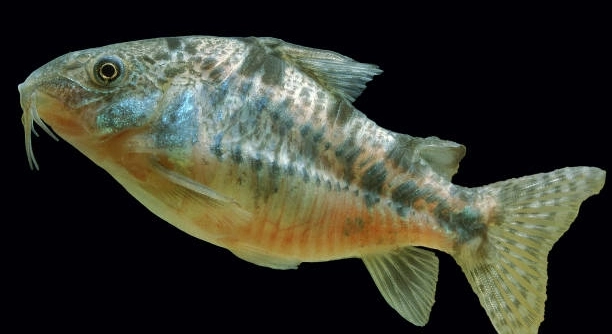
Corydoras catfish are delightful and peaceful creatures that enjoy swimming and playing in the tank. However, encouraging them to play more can sometimes be a challenge. With a little effort, you can make their environment more exciting.
To encourage Corydoras catfish to play more, focus on providing an enriching environment with hiding spots, tank mates, and varied tank decorations. Offering a balanced diet and maintaining optimal water conditions can also help stimulate their natural curiosity and activity.
By making small changes in their environment, you can create a space that promotes more playful behavior. With a bit of attention to detail, you’ll be able to enjoy watching your Corydoras catfish explore their home.
Add Hiding Spots and Plant Cover
Corydoras catfish enjoy hiding and feel more secure when there are places to retreat to. Adding plants, caves, or rocks will encourage them to explore more, as they feel safer in their environment. They naturally seek shelter, so offering such spaces will also reduce stress levels. This increased comfort can prompt them to swim around more actively.
The addition of plants or decorations not only creates hiding spots but also gives them areas to explore. Corydoras catfish love to root around in the substrate, especially if there are plants or objects to interact with. The more varied and natural the setup, the more active they become.
Aquatic plants like java moss or anubias can be a great choice because they provide cover while also being easy to care for. Rocks or driftwood are also good additions to give the fish a place to hide and rest. If you place these items strategically around the tank, Corydoras will be encouraged to swim between them, increasing their playful behavior. By keeping your tank layout interesting, you can create an environment that feels safe and stimulating.
Maintain Ideal Water Conditions
Corydoras catfish are sensitive to water quality, so maintaining the right conditions is essential for their activity. They thrive in stable, clean water with low currents.
Regular water changes, proper filtration, and monitoring parameters like temperature and pH help keep Corydoras comfortable and active. They prefer slightly acidic water, ideally between 6.0 and 7.5 pH, and a temperature range of 72°F to 79°F.
Poor water quality can lead to stress, which can make Corydoras catfish less likely to move around or play. Make sure the water is free from harmful chemicals like chlorine or ammonia. Regularly testing the water and performing partial water changes can improve the environment. A stable tank with optimal water conditions promotes healthy fish and encourages them to be more active. Keeping their surroundings clean is an easy yet effective way to help them feel secure and playful.
Provide Suitable Tank Mates
Corydoras catfish are social animals and do better with others of their kind. They are peaceful and get along well with other non-aggressive fish. Adding a few more Corydoras will encourage them to interact and play.
When Corydoras are kept in groups, they feel safer and more confident, leading to more active behavior. A small school of five or more is ideal. With companions, they’ll often swim together, explore, and play more. However, it’s important to avoid overly aggressive tank mates, as these can cause stress and reduce their playful behavior.
Adding peaceful fish like tetras or rasboras to the tank can also be a good idea. These species won’t intimidate the Corydoras and will allow them to thrive in a social environment. The presence of other fish provides stimulation and encourages Corydoras to be more active. Keeping a balanced community will lead to a more interactive and lively tank.
Offer a Balanced Diet
A well-balanced diet helps Corydoras stay active and healthy. These fish are bottom feeders, so they enjoy a variety of foods, including sinking pellets, wafers, and live or frozen foods like bloodworms or brine shrimp.
Feeding them a mix of high-quality food will provide the energy they need to stay playful. Corydoras are scavengers and will actively search for food, which can encourage more movement. It’s best to feed them small amounts a couple of times a day to ensure they’re getting enough to stay active without overfeeding.
Avoid overfeeding, as it can lead to poor water quality, which can negatively impact their playfulness. A varied diet also supports their immune system and overall health, helping them live longer, happier lives. By giving them the right food, you can boost their energy and increase their activity levels, encouraging them to swim and play more.
Use Tank Decorations for Interaction
Corydoras catfish love to explore their surroundings. Adding decorations like rocks, caves, and plants encourages them to swim, hide, and interact with their environment. This can increase their activity levels.
Tank decorations can also provide places for them to search for food and play, especially if they are designed to mimic their natural habitat. A varied layout keeps them engaged and encourages more movement, reducing the risk of boredom.
Provide a Gentle Current
Corydoras prefer gentle water movement. Strong currents can make them uncomfortable, leading to less play and activity. To create a comfortable environment, use a filter that doesn’t produce strong water flow.
By reducing the current, Corydoras can swim freely without fighting against the water. A calmer tank setup promotes relaxation and playful behavior, as they can move around without stress. Adjusting the water flow to suit their needs makes it easier for them to interact with their surroundings and each other.
FAQ
How many Corydoras catfish should I keep together?
Corydoras catfish are social creatures and should be kept in groups to thrive. A minimum of 5 to 6 Corydoras is recommended, as they feel more secure and comfortable in larger groups. When kept in a group, they will exhibit more playful behavior and feel safer, leading to increased activity and exploration. A small school allows them to socialize and reduces stress, which can encourage them to swim around more often.
Can Corydoras catfish live with other fish?
Yes, Corydoras catfish are peaceful and get along with many other species. They do well with other non-aggressive fish, especially small schooling species like tetras or rasboras. Corydoras can be kept with fish that won’t harass them or compete for food. It’s important to avoid aggressive tank mates that may cause stress or make Corydoras feel threatened, as this can reduce their playful behavior. Always check the temperament of any fish before adding them to your tank to ensure they are compatible with Corydoras.
What temperature is best for Corydoras catfish?
Corydoras catfish prefer water temperatures between 72°F to 79°F (22°C to 26°C). Keeping the water within this range ensures they stay healthy and active. If the water is too cold, they may become sluggish and less likely to swim or interact. If it’s too hot, they can experience stress or health issues. Make sure to monitor the water temperature regularly to keep it stable. A heater with a thermostat can help maintain the ideal temperature for these fish.
Do Corydoras catfish require a filter?
Yes, Corydoras catfish need clean water to thrive. A good filter is essential to keep the water quality high, as they are sensitive to poor water conditions. However, Corydoras prefer calm water, so make sure the filter you use doesn’t create a strong current. It’s important to keep the water well-oxygenated, as Corydoras are bottom dwellers that often forage near the substrate. Regular water changes and filter maintenance will help ensure the tank remains clean and safe for your fish.
Can Corydoras catfish live without a substrate?
While Corydoras catfish can technically live without a substrate, they prefer a soft, sandy substrate where they can root around and search for food. Using a fine sand or smooth gravel allows them to dig and forage without injuring their sensitive barbels. A soft substrate also mimics their natural habitat, providing them with the stimulation they need to stay active. Avoid sharp or rough substrates, as these can cause injury to the catfish. A proper substrate can also help keep the water clean by allowing beneficial bacteria to break down waste.
Do Corydoras catfish need live plants in their tank?
Live plants are not absolutely necessary for Corydoras catfish, but they do provide numerous benefits. Plants offer hiding spots, which can help Corydoras feel secure, especially when they are resting or sleeping. Plants also help improve water quality by absorbing excess nutrients and providing oxygen. Additionally, live plants create a more natural environment, which can encourage more natural behaviors like swimming and foraging. If you prefer low-maintenance plants, options like Java moss or Anubias are easy to care for and can thrive in a tank with Corydoras.
How often should I feed Corydoras catfish?
Corydoras catfish should be fed small amounts of food a couple of times a day. They are bottom feeders and will eagerly search for food in the substrate. Offer sinking pellets, wafers, or live foods such as bloodworms or brine shrimp. It’s important not to overfeed them, as uneaten food can pollute the water and affect the health of your tank. Removing any leftover food after a few hours will help maintain good water quality and prevent overfeeding. By offering a balanced diet, you can keep your Corydoras healthy and active.
Can Corydoras catfish play with toys?
While Corydoras don’t play with toys in the same way other pets might, they do enjoy exploring their environment. Tank decorations such as caves, rocks, and plants provide places for them to hide and investigate, which can stimulate their natural curiosity and encourage activity. Interactive objects like clay pots or driftwood can serve as “toys” for Corydoras, allowing them to swim through or around them. These types of enrichment help keep them mentally and physically active, providing the stimulation they need to remain playful.
Are Corydoras catfish sensitive to water changes?
Yes, Corydoras catfish are sensitive to sudden changes in water conditions. Drastic fluctuations in temperature, pH, or hardness can stress them out and negatively affect their health. It’s important to make water changes gradually, especially if the parameters of the tank have changed. If you need to adjust water conditions, do so slowly over the course of a few days. Use a reliable water testing kit to monitor the water quality and make adjustments as needed. Keeping a consistent and stable environment is key to keeping your Corydoras active and healthy.
What’s the best substrate for Corydoras catfish?
Corydoras catfish do best with a soft, fine-gravel or sandy substrate. This allows them to burrow and sift through the sand, mimicking their natural behavior. A sandy substrate is also gentler on their barbels, which they use to search for food. Avoid sharp or jagged gravel, as this can cause injury. A soft substrate also helps in maintaining water quality, as it allows beneficial bacteria to break down organic waste. With the right substrate, your Corydoras will be able to forage comfortably and stay active in their environment.
Final Thoughts
Encouraging Corydoras catfish to play more in the tank can be a rewarding experience. By creating an environment that mimics their natural habitat, you give them the space and comfort they need to feel secure. Adding plants, rocks, and other decorations provides hiding spots and areas for exploration, which keeps them engaged and active. When Corydoras feel safe and have enough to do, they’re more likely to swim around and display playful behavior. A few changes in the tank can make a noticeable difference in their activity levels.
Water quality is also a crucial factor in maintaining healthy, active Corydoras. They are sensitive to poor water conditions, so regular water changes and good filtration are necessary. Keeping the water at the right temperature and pH range ensures that the fish stay comfortable. Without proper water care, even the best tank decorations will not be enough to encourage play. Consistency in maintaining the environment is key to keeping your Corydoras catfish both happy and playful.
Finally, providing a balanced diet can also support their activity levels. Offering a variety of foods, such as sinking pellets and live foods, ensures they are well-nourished and have the energy to explore and interact. It’s important not to overfeed, as this can lead to water quality issues, which may affect their overall well-being. By paying attention to their diet, environment, and water quality, you can help encourage your Corydoras catfish to live an active and fulfilling life in the tank.

Hello,
If you enjoy the content that we create, please consider saying a "Thank You!" by leaving a tip.
Every little bit helps us continue crafting quality advice that supports the health, happiness, and well-being of pets around the world, for pets of all shapes, sizes, and species.
We really appreciate the kindness and support that you show us!