
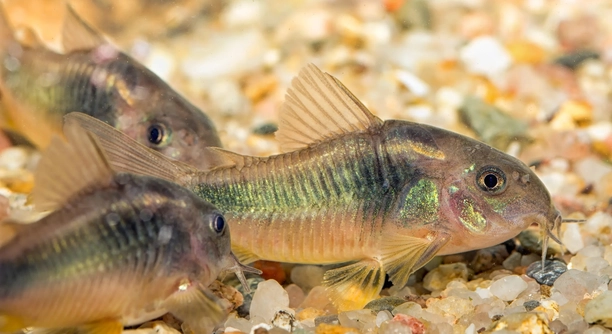
Corydoras catfish are known for their peaceful nature and unique behavior, but they may not always interact with others as much as you’d like. Understanding how to encourage more social behavior can improve their well-being and create a more lively aquarium.
Corydoras catfish tend to be shy by nature, and encouraging social interaction involves creating a comfortable and enriching environment. This can include maintaining the right water conditions, providing hiding spots, and introducing companions that help boost their confidence.
By making a few changes, you can foster an environment where your Corydoras feel more at ease and open to socializing. The following tips will help ensure that your catfish thrive and interact more with each other.
1. Create a Comfortable Habitat
Corydoras catfish are naturally shy and prefer a peaceful environment. If your tank feels too hectic or stressful, they might not engage with each other. Setting up an ideal habitat will help them feel secure and encourage social behavior. First, ensure the water temperature and quality are just right. Corydoras prefer clean, soft water with a temperature range of 72-78°F (22-26°C). Maintaining stable water conditions reduces stress and makes them more comfortable. Add soft substrates like sand, as harsh gravel can irritate their sensitive barbels, making them hesitant to move around. Also, ensure the tank has enough hiding spots with plants or caves. These spaces allow them to retreat when needed but also give them the chance to interact safely. Lastly, avoid overcrowding, as too many fish can cause stress and limit interactions. The more secure they feel in their environment, the more likely they are to socialize.
Creating the right habitat doesn’t just help them feel safe but also encourages natural behaviors. Corydoras are bottom dwellers, so giving them space to explore will naturally lead to more socialization with their tank mates.
2. Provide a Proper Tank Mates Selection
Choosing the right companions for your Corydoras catfish is essential. They thrive in the company of other peaceful fish. Aggressive species or overly active fish may intimidate your catfish and cause them to remain isolated. Ideal tank mates include species such as tetras, guppies, and peaceful barbs. The key is to find fish that share similar temperaments. Corydoras are not territorial, so they won’t typically fight over space. However, having too many other fish in the tank can overwhelm them. Keeping the right balance will allow your catfish to interact more freely and form connections with others.
It’s also important to introduce new fish slowly to avoid stressing your Corydoras. When new tank mates are added, ensure they are compatible and don’t outcompete the Corydoras for food or space. This way, your fish can settle in comfortably and start interacting without tension.
3. Maintain a Stable Feeding Schedule
Feeding your Corydoras catfish at the same time each day helps establish routine. They’re naturally scavengers and often spend time foraging on the tank floor for food. A regular feeding schedule allows them to anticipate mealtime and can make them more comfortable around other fish. Over time, they’ll begin to associate feeding time with positive experiences. This routine can also help them build confidence to interact with others in the tank. Avoid overfeeding, as it can cause water quality issues and make the fish lethargic, leading to less social activity.
Offering a variety of foods can also encourage social behavior. Corydoras enjoy sinking pellets, small live or frozen foods, and occasional vegetable treats. When they have a balanced diet, they’re more likely to stay active and interact with tank mates. Scatter feeding or placing food in different areas of the tank can encourage them to explore and come into contact with other fish. The more comfortable they feel during feeding, the more social they will become.
Make sure to feed them at the same time each day to keep the routine. Over time, this simple step can help your Corydoras feel more comfortable interacting with each other during mealtime. Additionally, it’s a great way to keep them healthy and active.
4. Provide Suitable Water Conditions
The water in your tank plays a huge role in your Corydoras’ behavior. Poor water quality can make them anxious and less likely to interact with others. Make sure to regularly test the water for essential parameters like pH, ammonia, and nitrate levels. Corydoras prefer slightly acidic to neutral water with a pH of 6.0 to 7.5. Water hardness should be between 2-12 dGH. Keep the water clean by performing regular water changes and using an efficient filtration system.
When water quality is poor, Corydoras may retreat to hiding spots and avoid socializing. On the other hand, when the water is well-maintained, they’re more active and open to social interaction. Be mindful of temperature fluctuations; Corydoras are sensitive to rapid changes in water temperature. A stable environment can make them feel more at ease, which is essential for encouraging social behavior.
Good water quality not only promotes their health but also boosts their social interactions. These little adjustments to their environment will make a noticeable difference in how your Corydoras engage with their tank mates.
5. Avoid Sudden Tank Changes
Sudden changes in the tank, like moving decorations or adding new equipment, can stress your Corydoras catfish. They thrive in stable environments where they feel secure in their surroundings. When the tank setup changes unexpectedly, it can cause confusion and anxiety, making them less likely to interact with each other.
Consistency is key for encouraging social behavior. Stick to your usual tank layout and avoid rearranging things too often. This stability helps your Corydoras feel more confident and willing to engage with other fish. They’ll also be less stressed and more likely to explore and socialize in a familiar environment.
6. Increase Tank Size if Needed
If your Corydoras catfish seem too timid or distant, it could be due to a lack of space. Crowded tanks can create tension and make it harder for them to form social bonds. Increasing the tank size allows them to explore freely without feeling cornered or overwhelmed.
A larger tank gives Corydoras room to establish their own territories and find hiding spots, which can boost their confidence. When they don’t feel confined, they’ll be more likely to engage with other fish. A spacious environment also supports the growth of plants and decorations, which further enhance their social opportunities.
7. Introduce Corydoras in Groups
Corydoras are social fish that feel safer and more confident in groups. Introducing them in small groups encourages socialization and reduces the chance of stress. When kept alone or in pairs, they may become more isolated and shy, limiting their interaction with other tank mates.
FAQ
Why are my Corydoras catfish hiding so much?
Corydoras catfish tend to hide when they feel stressed or unsafe. This could be due to several factors, such as poor water quality, aggressive tank mates, or sudden changes in the tank environment. Ensure the water temperature, pH, and hardness are within the ideal range. Keep the tank clean and avoid overcrowding. Also, try adding more hiding spots like plants or caves to make them feel more secure. A peaceful environment can encourage them to come out and interact with other fish.
How can I tell if my Corydoras are socializing?
When Corydoras catfish are socializing, they will often swim together in groups, exploring the tank floor. You might also notice them foraging for food with other fish or engaging in playful behaviors like chasing each other. While they may not be as active as some other species, Corydoras do enjoy the company of their own kind. Look for them actively moving around, especially during feeding times when they feel comfortable interacting with others.
Can Corydoras live with other fish?
Yes, Corydoras are peaceful and get along well with other non-aggressive fish species. They are bottom dwellers, so they usually won’t compete for space at the top or middle of the tank. Good tank mates for Corydoras include species like tetras, guppies, and peaceful barbs. Avoid keeping them with aggressive fish or species that may bully them.
How many Corydoras should I keep together?
Corydoras catfish are social creatures and should ideally be kept in groups of at least 4 to 6 individuals. This helps them feel secure and encourages more natural behaviors. A larger group also reduces stress, as they can bond with each other and feel safer. Keeping them in small groups or alone can make them more shy and withdrawn.
Do Corydoras catfish need a specific diet to stay social?
Corydoras catfish are omnivores and enjoy a varied diet. Providing them with sinking pellets, live or frozen foods (like bloodworms or brine shrimp), and occasional vegetable treats like zucchini or spinach will help keep them healthy and active. A balanced diet is crucial for their overall well-being and can help them stay more social. Make sure to feed them small portions to prevent overfeeding and water quality issues.
Why aren’t my Corydoras eating?
If your Corydoras catfish aren’t eating, it could be due to water quality issues, stress, or an improper diet. Check the water parameters, and make sure the tank is clean and well-maintained. Stress from aggressive tank mates or sudden changes in the tank setup can also cause them to stop eating. Offer a variety of foods, and if the problem persists, check for any signs of illness, such as lethargy or abnormal behavior.
Can Corydoras live in a tank with plants?
Yes, Corydoras catfish do well in tanks with plants. In fact, plants provide a natural and comforting environment that can help reduce stress. Plants offer additional hiding spots and give them more areas to explore. Just make sure the plants are soft and not too sharp, as Corydoras have sensitive barbels. Floating plants can also provide some shade, which is ideal for them.
What is the best water temperature for Corydoras catfish?
Corydoras catfish thrive in temperatures between 72°F and 78°F (22°C to 26°C). Keeping the water within this range ensures they stay active and comfortable. Temperature fluctuations can stress them out, leading to reduced social behavior. Use a reliable heater to maintain a stable environment, especially if you live in an area with fluctuating room temperatures.
Do Corydoras catfish need a filter?
Yes, Corydoras catfish benefit from a good filtration system. They prefer clean, well-oxygenated water, and a filter helps maintain water quality by removing debris and toxins. However, make sure the filter’s current isn’t too strong, as Corydoras prefer calm waters. Choose a filter that is gentle enough to allow them to move around comfortably.
How can I encourage my Corydoras to breed?
To encourage breeding, create a calm and stable environment. Maintain clean water with proper temperature (74°F to 78°F or 23°C to 26°C) and slightly acidic to neutral pH. Offer a varied diet that includes high-quality food. Adding a group of Corydoras can increase the chances of finding mates. Once conditions are right, they may begin spawning, often laying eggs on plants or other tank surfaces.
Final Thoughts
Encouraging your Corydoras catfish to be more social requires creating an environment where they feel safe and comfortable. These peaceful fish are naturally shy, so they need the right conditions to interact with each other and their tank mates. A stable tank setup, proper water quality, and suitable tank mates are all key factors in helping them become more social. By paying attention to their habitat and ensuring their needs are met, you can encourage natural behaviors like swimming in groups and foraging together.
Additionally, providing a proper diet and feeding routine plays a significant role in their socialization. Corydoras catfish are bottom feeders that thrive when they are fed regularly and in small portions. A varied diet ensures they stay active and healthy, which can improve their social interactions with both their own kind and other species in the tank. Regularly scheduled feedings can help them become more comfortable with their environment and foster positive interactions.
Finally, patience is essential when trying to encourage social behavior in Corydoras catfish. These fish don’t typically change overnight, and it may take time for them to adjust to new tank conditions or companions. By keeping their environment stable and stress-free, you increase the chances that your Corydoras will feel confident enough to interact with each other and their tank mates. With the right care and attention, you can help your Corydoras become more social and enjoy a thriving, peaceful aquarium.

Hello,
If you enjoy the content that we create, please consider saying a "Thank You!" by leaving a tip.
Every little bit helps us continue crafting quality advice that supports the health, happiness, and well-being of pets around the world, for pets of all shapes, sizes, and species.
We really appreciate the kindness and support that you show us!