
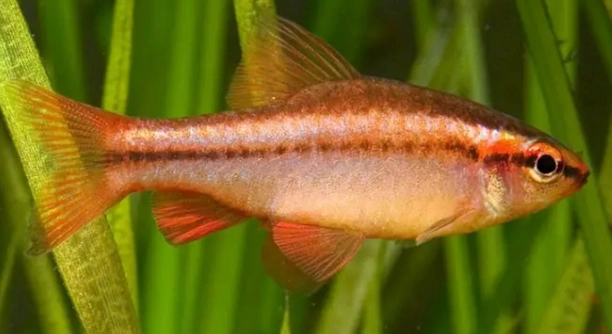
Cherry barbs are a popular fish among aquarium enthusiasts. Known for their vibrant colors and playful behavior, they can make a beautiful addition to your tank. However, getting them to school effectively may require a bit of guidance.
The most effective way to encourage cherry barb schooling is to ensure they are kept in groups of at least six or more. Providing a well-planted tank with stable water parameters also promotes comfort and encourages natural schooling behavior.
Creating the right environment for cherry barbs is essential to their wellbeing and social behavior. Keep reading to learn more about how to achieve this.
Keep Them in Groups
Cherry barbs are naturally social fish. When kept in groups of at least six or more, they tend to feel more secure and comfortable. This is crucial because they are less likely to display aggressive behaviors and are more likely to stick together in a school. Having more fish around allows them to interact and mimic each other’s movements, creating the mesmerizing effect of schooling.
To get them to school, avoid keeping them in pairs or small groups. A minimum of six ensures they have a proper dynamic, making the group feel more cohesive and secure. The larger the group, the better they can display their natural schooling behavior.
Additionally, cherry barbs can become shy when they feel alone or threatened. A larger group creates a supportive environment where they can confidently explore and show off their beautiful colors. They’ll swim together as one, creating a lively and harmonious display in your tank. Remember, they need the safety of their peers to act naturally.
Provide a Proper Tank Setup
A proper tank setup is essential for encouraging cherry barbs to school. The environment should feel safe and offer plenty of places to hide and explore. With plants, rocks, and driftwood, you help them feel more at ease.
A well-planted tank mimics their natural habitat, giving them the chance to school in a relaxed environment. Cherry barbs are more likely to school when they feel secure and have places to retreat to when they need to. The plants also help them move around more freely, encouraging their natural behavior.
Keep the water clean and at a stable temperature between 72-79°F (22-26°C). Cherry barbs do best in well-maintained conditions, so regularly check the water parameters. Providing a balanced environment not only helps your fish thrive but also supports their tendency to stay close to each other.
Keep the Tank Stable
Keeping your tank stable is key to getting cherry barbs to school. They are sensitive to changes in water conditions, so maintaining a consistent environment is important. When the water’s temperature or pH fluctuates too much, your fish might become stressed and stop schooling.
Cherry barbs thrive in stable environments. Sudden changes in water temperature or poor water quality can make them feel unsafe, causing them to scatter or hide. If they feel comfortable, they’ll stick together and swim in a school. It’s important to keep the tank water parameters in check regularly.
By maintaining a stable, well-kept tank, you help ensure the cherry barbs’ comfort, leading them to display their natural schooling tendencies. Consistency in water quality and temperature helps them feel secure and promotes the behavior you’re looking for.
Add Compatible Tankmates
Adding compatible tankmates can also encourage cherry barbs to school. Choosing peaceful species with similar water requirements allows for a stress-free environment. This harmony can lead to better schooling behaviors.
A peaceful community tank can promote cooperation and help cherry barbs feel more comfortable. When your barbs are surrounded by calm and compatible fish, they are less likely to be stressed. Additionally, choosing fish that don’t compete too heavily for food or space helps everyone thrive together.
Tankmates like tetras or peaceful rasboras work well alongside cherry barbs. As long as the water temperature, pH, and other conditions are similar, your barbs can swim happily in their school. Avoid aggressive fish, as they might disturb the school and break the peace.
Maintain Consistent Feeding
Feeding your cherry barbs consistently helps encourage them to school. When they know food is available regularly, they feel more secure. A routine feeding schedule can make them more comfortable and active, promoting their natural school behavior. Feed them small amounts two to three times a day.
Offering a varied diet can also be beneficial. Include flakes, pellets, and occasional live or frozen foods like brine shrimp or daphnia. This variety will keep your barbs interested and healthy. A well-fed fish is more likely to behave naturally, including sticking together in a school.
Additionally, feeding in multiple spots can help avoid competition for food. This ensures each fish can eat comfortably, further reducing stress. When your cherry barbs aren’t fighting for food, they can focus more on their schooling behavior and social interactions.
Control Tank Lighting
Lighting plays a big role in encouraging cherry barbs to school. Keeping the tank lights at a moderate level helps create a peaceful atmosphere. Too much bright light can cause stress, while too little can make the barbs feel unsafe. It’s best to use a gentle, natural lighting cycle.
Having a consistent light cycle that mimics day and night also helps regulate their natural rhythms. Cherry barbs are more likely to school when they follow a day-night pattern, as they associate certain lighting levels with feeding or rest time. Proper lighting keeps their environment calm and stable.
You can use a timer to control the lighting, ensuring the barbs receive a consistent light schedule. This stability reduces any potential stress factors and encourages the fish to swim in a group. Gentle lighting is key for their comfort, leading to better schooling.
Avoid Sudden Changes in the Tank
Cherry barbs are sensitive to sudden changes in their environment. A sudden drop or rise in temperature, water parameters, or tank setup can cause stress. This stress can disrupt their schooling behavior, causing them to scatter or hide.
Even simple changes like moving decorations or altering the tank layout can disturb the fish. Try to make adjustments slowly, allowing the barbs time to adapt. By minimizing disruptions, you help the fish feel more secure and encourage them to school together.
Keeping a stable and familiar environment helps cherry barbs thrive. Stability in their surroundings promotes comfort, leading to natural, consistent schooling behavior.
Provide Enough Swimming Space
Cherry barbs need ample swimming space to feel comfortable and school effectively. If the tank is overcrowded or too small, they may not feel secure enough to swim together. A tank size of at least 20 gallons is recommended for a small group of cherry barbs.
A larger tank with open areas allows them to swim freely without feeling cornered or cramped. Ensuring they have space for natural swimming patterns encourages the barbs to stay in a group. Avoid placing too many decorations in the middle of the tank, as it can limit their swimming area.
Add Aquatic Plants for Shelter
Adding plants to your tank not only beautifies the environment but also provides shelter for cherry barbs. These plants give them hiding spots, helping them feel secure while they school. Cherry barbs will feel less stressed and more confident swimming in a group if they can retreat into plants when needed.
FAQ
How many cherry barbs should I keep together for schooling?
To encourage cherry barbs to school effectively, you should keep at least six or more together. A small group of just two or three fish won’t provide the social interaction needed for schooling behavior. The more fish you have, the more natural the schooling will be, with the group feeling secure enough to swim in a coordinated fashion.
Can cherry barbs school with other fish?
Yes, cherry barbs can school with other peaceful species. However, they tend to school most effectively with their own kind. Other small, peaceful fish like tetras or rasboras may be good companions, but cherry barbs will still prefer to school with other barbs if possible. Keeping them in a compatible community tank can promote social behavior, though.
What should I feed cherry barbs to promote schooling?
Cherry barbs benefit from a varied diet. Regular feedings of high-quality flakes or pellets are a good foundation, but you can also supplement with frozen or live foods like brine shrimp or daphnia. Keeping them well-fed will reduce stress and promote natural behaviors, including schooling. Feeding them in several spots can help reduce competition and encourage the group to stick together.
Do cherry barbs need a specific type of water?
Yes, cherry barbs thrive in slightly acidic to neutral water with a pH between 6.5 and 7.5. The water should be soft to moderately hard, with temperatures ranging from 72°F to 79°F (22°C to 26°C). Stable water conditions are important to keep the barbs healthy and encourage them to school, as fluctuations can cause stress and disrupt their behavior.
How do I reduce stress in cherry barbs?
To reduce stress in cherry barbs, make sure they have plenty of hiding spots, like plants and driftwood, and that they’re not overcrowded in the tank. Avoid sudden changes in water parameters, temperature, or tank setup. Keep the tank clean, maintain a consistent feeding routine, and ensure the lighting is not too harsh. Stress can cause cherry barbs to stop schooling, so creating a calm environment is key.
Can cherry barbs live with other types of barbs?
Yes, cherry barbs can live with other types of barbs, provided they are peaceful species. Some barbs, like the tiger barb, can be more aggressive, so it’s best to pair cherry barbs with other non-aggressive fish. If you add other types of barbs, ensure the tank has enough space and hiding spots to keep the peace.
How do I encourage cherry barbs to breed?
Encouraging cherry barbs to breed requires providing the right environment. Keep them in a well-planted tank with soft, slightly acidic water. Provide plenty of hiding spots and a consistent feeding schedule. To trigger breeding, you can slightly lower the water temperature, which often mimics seasonal changes. Once the fish spawn, the eggs will hatch in about 2-3 days, and the fry can be fed infusoria or finely crushed flakes.
What size tank is ideal for cherry barbs?
A 20-gallon tank is ideal for a small group of cherry barbs. This size gives them enough space to swim around comfortably and encourages natural schooling behavior. A larger tank can be used if you plan to add other fish or want a larger group of barbs. The more swimming space, the better for the fish.
Can cherry barbs live with shrimp or snails?
Yes, cherry barbs can live with shrimp and snails as long as the shrimp are not small enough to be eaten by the barbs. Larger species of shrimp, like cherry shrimp, should be safe. Snails are generally safe with cherry barbs, though some species of snails may be harassed by more active fish. It’s best to observe their interactions to ensure no one is being stressed or eaten.
What do I do if my cherry barbs stop schooling?
If your cherry barbs stop schooling, it’s usually a sign of stress. Check for environmental issues like fluctuating water temperature or poor water quality. Make sure they’re not overcrowded and that the tank provides plenty of hiding places. If the tankmates are too aggressive or if there are issues with feeding, address these as well. Keeping the environment stable and stress-free will help encourage schooling behavior again.
Final Thoughts
Encouraging cherry barbs to school is mostly about creating a comfortable and stable environment for them. These small, peaceful fish thrive when they feel safe and are surrounded by their own kind. By keeping them in groups of six or more, you ensure they have the social interaction necessary to display their natural schooling behavior. A larger group will also help reduce stress, as they feel more secure when they are with others. So, the first step in promoting schooling behavior is making sure you have a proper group of fish.
In addition to the right group size, the tank setup plays a huge role in encouraging schooling. A well-maintained aquarium with plenty of plants and hiding spots will help your cherry barbs feel at home. Keeping the water temperature stable and making sure the water quality is consistent will reduce stress. Cherry barbs, like many other fish, are sensitive to changes in their environment, and any fluctuation in water conditions can cause them to scatter or stop schooling. The more stable and calm the tank, the more likely they are to school together and act naturally.
Remember, it’s not just about the cherry barbs themselves, but also about their tankmates and overall environment. Avoid aggressive fish that might disturb the peaceful nature of your cherry barbs. Make sure there’s plenty of space for everyone to swim comfortably. With the right setup, feeding routine, and tankmates, you’ll soon see your cherry barbs schooling together in harmony. Their vibrant colors and playful behavior can add a lot of life to your tank, and by following these simple steps, you’ll help them thrive in their natural, school-like behavior.

Hello,
If you enjoy the content that we create, please consider saying a "Thank You!" by leaving a tip.
Every little bit helps us continue crafting quality advice that supports the health, happiness, and well-being of pets around the world, for pets of all shapes, sizes, and species.
We really appreciate the kindness and support that you show us!