
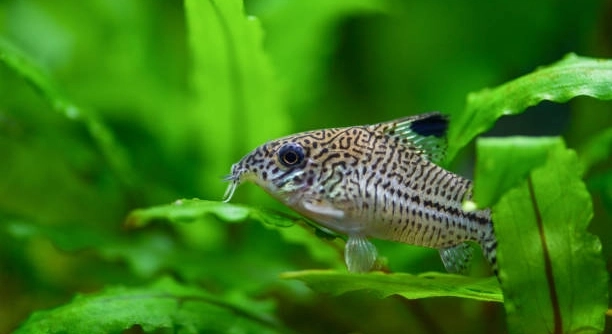
Have you ever kept Corydoras catfish and noticed they haven’t shown much interest in breeding, even with the right setup?
Encouraging breeding in Corydoras catfish involves maintaining excellent water quality, offering a balanced high-protein diet, simulating rainy season conditions, and keeping them in groups. These steps create an environment that promotes natural spawning behavior and overall fish health.
There are a few simple adjustments you can make that may help your Corydoras feel more comfortable and ready to breed.
Create a Comfortable Environment
Corydoras are peaceful fish that feel safest in stable, well-kept environments. Use soft, sandy substrate and include hiding spots like driftwood, plants, and caves. These small touches reduce stress and help them feel secure. Aim for gentle water movement and dim lighting, both of which mimic their natural habitat. A quiet tank also plays a part—avoid loud noises or sudden disruptions around the aquarium. Stability in water parameters is key, especially temperature and pH. Consistent care builds trust over time, and when Corydoras feel safe, they’re more likely to start displaying breeding behaviors on their own.
A healthy environment should be consistent and calm, giving your Corydoras the comfort they need to thrive.
Make sure to test the water regularly, keeping it clean and free of sudden changes. Soft water around 72–78°F, with a pH between 6.0 and 7.2, supports both general health and spawning.
Feed a Protein-Rich Diet
Proper nutrition is essential when encouraging breeding. Corydoras respond well to a protein-rich diet that mimics what they would eat in the wild.
Incorporate a mix of high-quality sinking pellets, frozen bloodworms, brine shrimp, and daphnia into their diet. Feed small amounts twice daily, avoiding overfeeding. Rotating food types every few days can also help stimulate spawning behavior. Many aquarists report that a boost in protein, especially with live or frozen foods, makes a noticeable difference. Keep an eye on their energy levels—active, healthy Corydoras will naturally begin showing signs of readiness. Over time, this steady feeding routine can lead to increased activity, social behaviors, and eventually, spawning.
Simulate the Rainy Season
One of the most effective ways to trigger breeding is by simulating rainy season conditions. This includes performing cool water changes and slightly lowering the tank’s temperature to mimic natural rainfall. Corydoras often respond quickly when the right timing and temperature shift are applied.
Start by performing a 25–30% water change using slightly cooler water—about 2–3°F lower than the tank’s current temperature. This can be repeated daily over a few days. During this process, make sure to keep lighting low and the tank calm. Some breeders also add a small powerhead or air stone to increase oxygen levels, which mirrors natural flowing streams. These small changes replicate the environmental signals that tell Corydoras it’s time to spawn. You might notice them swimming more actively or forming pairs.
Keep this simulated “rainy” pattern consistent for a few days. Many Corydoras will begin laying eggs shortly after the third or fourth cooler water change.
Keep a Balanced Male-to-Female Ratio
Having the right number of males and females in the tank helps prevent stress and encourages spawning. Corydoras breed best in small groups, not pairs, and a balanced ratio allows the fish to interact more naturally.
Aim for a group of at least six Corydoras, with a ratio of two males for every female. This setup increases the chances of successful fertilization and reduces pressure on individual fish. Too many males can lead to aggressive chasing, while too few may not trigger spawning behaviors at all. Watch how they interact—males will often follow females closely when conditions are right. A calm group dynamic supports the natural breeding process, especially when paired with the right environmental cues and feeding schedule. Over time, a well-balanced group is more likely to show spawning behavior without added stress or interference.
Provide a Clean and Stable Tank
A clean tank encourages breeding and protects the eggs from harmful bacteria. Remove uneaten food, vacuum the substrate regularly, and clean the filter gently to avoid disrupting beneficial bacteria. Keep ammonia and nitrite levels at zero.
Stability is just as important as cleanliness. Avoid sudden water changes or chemical treatments.
Use a Separate Breeding Tank
A breeding tank helps protect eggs and gives you more control over conditions. Use soft substrate or bare bottom, a sponge filter for gentle flow, and include a few plants or spawning mops. Transfer a small group of healthy adults after conditioning them with a high-protein diet and cooler water changes.
Remove the Adults After Spawning
Once the eggs are laid, move the adults back to the main tank. This prevents them from eating the eggs and allows you to focus on hatching and fry care.
FAQ
How can I tell if my Corydoras are ready to breed?
Corydoras ready to breed typically show increased activity and may form pairs or groups. Males actively chase females and may nudge their sides to encourage them to lay eggs. Additionally, females will appear rounder when carrying eggs. You might notice some “egg-laying” behavior, where they search for suitable places to deposit the eggs, like on plants or glass. Once these behaviors are consistent, they’re likely ready to breed.
What is the best water temperature for Corydoras breeding?
For breeding, the ideal water temperature is around 72–78°F (22–26°C). Corydoras prefer slightly cooler water than many tropical fish, and lowering the temperature by a few degrees can trigger spawning. During simulated rainy season conditions, a temperature drop of about 2–3°F can encourage breeding activity. Keep the temperature consistent to avoid stressing the fish.
Should I use a breeding tank for Corydoras?
Yes, using a breeding tank can help protect the eggs and fry. A separate tank allows you to control water conditions, reduce risks from aggressive tankmates, and ensure better survival rates for the eggs. Ensure the breeding tank has soft substrate, gentle filtration, and a few hiding spots for the adults.
Can I breed Corydoras with other fish species?
It’s best to breed Corydoras in a species-only tank or a well-established community tank with peaceful, compatible tankmates. Aggressive fish may disturb the spawning process or eat the eggs. Corydoras breed best when they have plenty of space and aren’t stressed by other fish.
How long does it take for Corydoras eggs to hatch?
Corydoras eggs generally hatch within 3 to 6 days, depending on the water temperature. Warmer temperatures may speed up the hatching process, while cooler conditions may slow it down. During this period, it’s important to keep the water clean and oxygenated to help the eggs develop properly.
What do I feed Corydoras fry?
After hatching, Corydoras fry will initially feed on their yolk sacs for a few days. Once they begin swimming freely, you can start offering finely crushed high-quality fish food or specialized fry food. Live foods, like infusoria or newly hatched brine shrimp, are ideal for encouraging healthy growth.
How can I prevent Corydoras from eating their own eggs?
Removing the adults after spawning is the best way to prevent them from eating the eggs. Corydoras are known to consume their own eggs if left in the tank. You can transfer the adults to another tank once the eggs are laid and ensure they have no access to the breeding area.
Do Corydoras need to spawn in groups?
Yes, Corydoras breed best in groups of at least six. Having multiple males and females allows for more natural interaction and reduces stress. It also improves the chances of successful fertilization. A balanced group dynamic encourages the fish to feel secure, leading to better spawning behavior.
Can Corydoras breed without a water change?
While Corydoras can breed without water changes, simulating the rainy season by changing the water temperature can trigger their spawning instinct. A gentle water change, lowering the temperature slightly, is often enough to encourage breeding. Regular water changes are essential for maintaining good water quality, though.
What are the signs that Corydoras are not breeding?
If your Corydoras aren’t breeding, check water conditions first. Inconsistent water temperature, high levels of ammonia, or improper pH can prevent breeding. Additionally, stress from overcrowding, poor diet, or incompatible tankmates can also stop them from breeding. Ensuring all these factors are in balance can encourage spawning behavior.
How do I care for Corydoras eggs?
Once the eggs are laid, ensure the tank is clean and free of any potential threats. You can leave the eggs in the breeding tank or transfer them to a separate hatchery tank with gentle filtration. Keep the water temperature steady and clean, and remove any uneaten food to avoid contamination.
What is the ideal pH for breeding Corydoras?
Corydoras prefer slightly acidic to neutral water, with a pH range of 6.0–7.2 for breeding. Keeping the water within this range helps to reduce stress and encourages natural breeding behaviors. Avoid any sudden fluctuations in pH, as it can impact their health and prevent successful spawning.
How do I handle Corydoras fry once they hatch?
Once the fry hatch, you can transfer them to a separate tank or allow them to stay in the breeding tank. Keep the water clean and provide plenty of hiding spots. Start feeding them with finely crushed food or live baby brine shrimp once they begin swimming. Regularly monitor their health and water quality to ensure successful growth.
Final Thoughts
Breeding Corydoras catfish can be a rewarding experience for both beginner and experienced aquarists. While the process may seem complex, providing the right environment and care makes a big difference. By adjusting water temperature, maintaining a clean tank, and offering a balanced diet, you can create the ideal conditions for your Corydoras to breed successfully. Consistent care is key to achieving the best results.
It’s important to remember that every Corydoras species may have slightly different needs when it comes to breeding, so it’s worth researching the specific type of Corydoras you own. Some may prefer slightly different water conditions or may take more time to adjust to breeding stimuli. Even small changes, like a gradual decrease in water temperature or ensuring the right tank mates, can trigger spawning behavior. Be patient, and don’t be discouraged if it takes time for your Corydoras to breed.
Overall, Corydoras are relatively easy to breed once you understand their natural needs and provide the right conditions. With the right water parameters, food, and a peaceful environment, your Corydoras will feel comfortable enough to lay eggs. By following the steps outlined above, you can increase the likelihood of successful breeding and enjoy watching the process unfold. Don’t forget to carefully monitor your tank’s conditions and adjust as needed to ensure the health and safety of both the adults and their fry.

Hello,
If you enjoy the content that we create, please consider saying a "Thank You!" by leaving a tip.
Every little bit helps us continue crafting quality advice that supports the health, happiness, and well-being of pets around the world, for pets of all shapes, sizes, and species.
We really appreciate the kindness and support that you show us!