
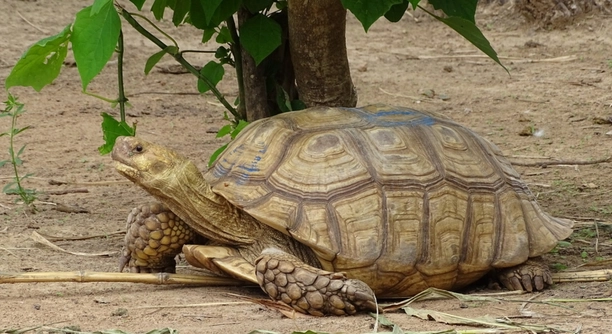
Sulcata tortoises are herbivores that need a variety of greens for their health, but getting them to eat can be tricky. Their dietary habits can be influenced by many factors, and encouraging healthy eating is essential for their well-being.
To encourage a sulcata tortoise to eat more greens, you should offer a variety of fresh, leafy vegetables, provide them with a proper feeding environment, and introduce new textures or flavors. Additionally, ensuring that their greens are free from pesticides and mold is important.
Small changes in their feeding routine can make a big difference. We’ll go over a few simple ways to help your tortoise enjoy their greens more, keeping them happy and healthy.
Offer a Variety of Greens
It’s important to offer different types of greens to your sulcata tortoise. Some tortoises can be picky eaters, so providing variety can help encourage them to try new things. You can start by offering dandelion greens, collard greens, or mustard greens, but don’t forget about herbs like basil, cilantro, and parsley. Having a mix of textures, from tender to more fibrous leaves, can also make the experience more appealing. Experiment with different types to see which ones your tortoise prefers. Always make sure to wash the greens thoroughly to avoid any pesticides or chemicals that could harm your tortoise.
Introducing a variety of foods will keep your tortoise interested and ensure they are getting the nutrients they need. Try offering greens with different textures and flavors for the best results.
Some tortoises may prefer the soft, tender leaves of spinach or romaine lettuce, while others may enjoy the thicker, more fibrous kale. It’s essential to switch up your approach regularly so that your tortoise doesn’t grow tired of the same greens. You can also combine different greens in one feeding to give your tortoise a mix of flavors. If your tortoise refuses a particular green, try adding something it likes to the mix to make it more tempting. By introducing variety and experimenting, you’ll discover what works best for your pet.
Ensure Proper Lighting and Temperature
If your sulcata tortoise’s environment isn’t just right, it can affect its eating habits. Make sure your tortoise has access to natural sunlight or a proper UVB light source. UVB light helps tortoises absorb calcium, which is essential for their health. If the lighting is not optimal, your tortoise may lose its appetite and become less active.
The correct temperature is also vital. The basking area should be around 95°F (35°C), and the cooler side of the enclosure should be about 75°F (24°C). Temperature regulation helps your tortoise feel comfortable and encourages normal eating behavior.
Tortoises are sensitive to environmental changes, and their eating habits can reflect how they feel about their surroundings. If the lighting or temperature isn’t ideal, your tortoise may refuse food. They tend to eat more when they feel safe and comfortable. Therefore, adjusting the setup might be all it takes to get your sulcata eating more greens. Another factor to consider is humidity. Ensuring your tortoise’s enclosure has the right level of humidity can further support their overall health and encourage proper digestion, making it easier for them to enjoy their meals.
Add Fresh, Safe Flowers
Adding flowers to your tortoise’s diet can be a fun way to boost its interest in eating greens. You can offer safe, edible flowers like hibiscus, dandelions, and clover. These provide not only variety but also additional nutrients that are beneficial.
Flowers can offer a new texture and flavor, encouraging your sulcata tortoise to try something different. Just like with greens, make sure the flowers are pesticide-free and safe for consumption. Offering flowers as part of a balanced diet is an excellent way to keep your tortoise healthy. You can scatter a few in their enclosure or mix them with other foods.
Adding flowers to their diet can also help provide extra hydration. Many flowers have a high water content, which can be beneficial, especially in hot climates where your tortoise may need extra moisture. While flowers are not meant to replace the majority of the diet, they are a great supplement to greens. This simple addition could make a big difference in encouraging your tortoise to eat more.
Keep the Greens Fresh
The freshness of the greens you offer plays a huge role in whether your tortoise will eat them. Always make sure the greens are crisp and free of any mold or wilting. Freshness encourages them to nibble.
Wilted greens or those that have been sitting for too long may not be as appetizing to your sulcata tortoise. Even if they are still technically edible, they won’t be as appealing. The texture, color, and smell of fresh greens attract tortoises more. To ensure freshness, buy in small amounts and store greens properly, ideally in a cool, dark place.
Rotten or spoiled greens can cause digestive issues for your tortoise, so always check them before offering them. While it’s tempting to buy greens in bulk, it’s better to have a fresh supply each time to keep your tortoise excited about mealtime. Storing greens in the fridge, in an airtight container, can help maintain their quality. When offering them, wash the greens thoroughly to remove any dirt and debris that could be harmful.
Offer Greens at the Right Time
Timing can play a significant role in whether your sulcata tortoise eats more greens. Offer food at a time when your tortoise is most active, usually during the day when they’re naturally foraging.
Tortoises are most likely to eat when they’re awake and moving. Try feeding your tortoise in the morning or afternoon, rather than late in the day when they may be winding down. If they’re too tired or inactive, they might not have the energy or interest to eat. By adjusting feeding times, you can help ensure your tortoise gets its greens.
Minimize Stress in the Environment
A calm, stress-free environment is essential for your tortoise to eat well. If your sulcata feels threatened or anxious, it’s less likely to eat.
Make sure your tortoise’s living space is quiet and free from disturbances. Avoid loud noises or rapid movements around their enclosure, which could cause stress. You may also want to reduce the presence of other pets that could make your tortoise feel unsafe. A peaceful environment encourages healthy eating habits.
Try Different Feeding Methods
Sometimes, simply changing how you feed your sulcata can help encourage them to eat more greens. Try placing the greens in different locations within their enclosure or using a feeding dish.
This variation in how you present food can mimic the natural foraging experience and make eating more enjoyable for your tortoise. In the wild, tortoises often spend time searching for food, so recreating this behavior can make the process more stimulating. Offering greens in different spots, such as under a log or around a rock, might engage their curiosity and encourage them to eat more.
FAQ
What greens are best for a sulcata tortoise?
The best greens for a sulcata tortoise include dandelion greens, collard greens, mustard greens, and kale. You can also offer a variety of other leafy vegetables like turnip greens, romaine lettuce, and clover. The key is to provide a diverse selection of fresh, pesticide-free greens. Avoid offering too much spinach or lettuce with low nutritional value. While these are safe in moderation, they shouldn’t be the mainstay of your tortoise’s diet. Introducing a variety of greens helps ensure your tortoise receives the nutrients it needs to stay healthy and active.
How can I tell if my sulcata tortoise is eating enough greens?
If your sulcata tortoise is eating enough greens, you should notice a healthy weight and consistent growth. You can also observe their activity levels. A tortoise that eats well will be more active, moving around its enclosure and exploring. If your tortoise seems lethargic or refuses to eat for extended periods, it could be a sign they’re not getting enough food. Additionally, monitor the quantity of greens left after feeding. If a large portion remains consistently uneaten, you may need to adjust the type or presentation of the greens offered.
Can I feed my sulcata tortoise fruits or other vegetables?
Yes, you can offer fruits and other vegetables as treats, but they should not make up the majority of your sulcata tortoise’s diet. Fruits like berries, melons, and apples can provide variety and hydration but should be given in moderation due to their high sugar content. Non-leafy vegetables like squash, bell peppers, and carrots can also be given occasionally but should be balanced with leafy greens. The main diet should focus on fibrous plants and grasses to support healthy digestion.
Is it okay to feed my tortoise store-bought salad mixes?
While store-bought salad mixes might seem convenient, they are not always the best option for your sulcata tortoise. Many pre-packaged salads contain ingredients that are not ideal for tortoises, such as iceberg lettuce or spinach, which don’t offer much nutritional value. Always check the mix carefully for any harmful ingredients. If you choose to use a salad mix, it’s best to add in your own fresh greens like dandelion leaves or collard greens to ensure a healthier diet.
How can I encourage my sulcata tortoise to eat if it’s not interested in greens?
If your tortoise isn’t eating its greens, try making the food more appealing. You can experiment by offering different types of greens, mixing in edible flowers, or adding small amounts of fruit. Placing the greens in different areas of its enclosure, such as under rocks or in a shallow dish, might engage its natural foraging instincts. Additionally, check the temperature and lighting in the enclosure to make sure it’s conducive to eating. Sometimes, tortoises may refuse food if their environment isn’t comfortable. If your tortoise still won’t eat, a visit to a veterinarian may be necessary to rule out any underlying health issues.
How often should I feed my sulcata tortoise?
A sulcata tortoise should be fed daily, especially when they are young and growing. As they mature, the frequency of feeding can decrease to every other day or a few times a week. The amount of food should be enough to keep them satisfied but not overfed. A good rule of thumb is to provide greens that fill up about 50% to 75% of their shell size daily. Ensure that fresh, clean water is always available. It’s important to monitor their diet closely, as they are prone to obesity if fed too much or too frequently.
Can sulcata tortoises eat grasses?
Yes, grasses are an essential part of a sulcata tortoise’s diet. In the wild, they graze on various grasses, and this should be reflected in their captive diet. You can offer grass hays like timothy hay, which is a good source of fiber and supports healthy digestion. Fresh grass from your garden can also be a great option as long as it is pesticide-free. Grass should make up a large portion of your tortoise’s diet, particularly in older individuals. Providing a mix of fresh greens and grasses helps replicate a more natural feeding routine.
Should I give my sulcata tortoise supplements?
While sulcata tortoises can get most of their nutrients from fresh greens and grass, calcium and vitamin D3 supplements can be beneficial, especially for younger tortoises or those living indoors. These supplements help support strong bones and prevent metabolic bone disease. However, it’s crucial not to over-supplement, as excessive calcium can cause kidney problems. Consult with a veterinarian to determine the right dosage and whether your tortoise requires supplements based on its diet and environment.
Can my sulcata tortoise eat weeds?
Many weeds are actually great for sulcata tortoises and are often a natural part of their diet in the wild. Weeds like dandelions, clover, and plantain are safe and nutritious for your tortoise. Just make sure the weeds haven’t been exposed to any pesticides or chemicals before offering them. Weeds provide a variety of textures and nutrients that help keep your tortoise’s diet interesting. They also provide extra fiber, which is essential for proper digestion.
Final Thoughts
Encouraging your sulcata tortoise to eat more greens involves a mix of variety, presentation, and a suitable environment. By offering a range of fresh, nutritious greens, you can entice your tortoise to try new foods and prevent boredom with their diet. Greens like collard greens, dandelion leaves, and mustard greens should be staples, but introducing edible flowers or herbs can also make a big difference. Experiment with different textures and flavors to find what your tortoise prefers. It’s important to avoid using too much lettuce or spinach, as they don’t offer the right nutrients and can upset your tortoise’s health in large amounts.
Creating the right feeding environment is equally crucial. Sulcata tortoises are most likely to eat when they feel safe and comfortable, so make sure the enclosure is free of stressors. Having the right temperature and lighting in place ensures that your tortoise stays active and hungry. If the conditions are wrong, your tortoise may lose its appetite. Proper lighting, particularly UVB light, is necessary for calcium absorption and overall health, so don’t overlook this aspect of their care. A warm basking spot and a cooler side to their enclosure will help them feel comfortable enough to eat regularly.
Lastly, always make sure that the food you offer is fresh and clean. Wilted or spoiled greens are unlikely to interest your tortoise and can even cause digestive problems. By paying attention to the freshness of your food, you also ensure that your tortoise is getting the most nutrients possible. Regularly check the greens for signs of mold or rot before serving them. Offering fresh, appealing food combined with the right environment will encourage your sulcata tortoise to eat more greens, leading to a healthier and happier pet. With these steps, you can feel confident that your tortoise is getting the nutrition it needs.

Hello,
If you enjoy the content that we create, please consider saying a "Thank You!" by leaving a tip.
Every little bit helps us continue crafting quality advice that supports the health, happiness, and well-being of pets around the world, for pets of all shapes, sizes, and species.
We really appreciate the kindness and support that you show us!