
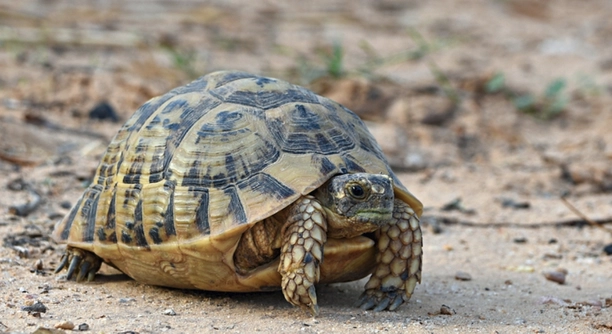
Encouraging a shy Greek tortoise to explore its environment can take time and patience. It’s important to understand how to help them feel safe and comfortable while they gradually build confidence.
To encourage a shy Greek tortoise to explore more, focus on creating a stress-free environment with consistent warmth and hiding spaces. Gradually increase exposure to new areas, using treats and gentle interactions to motivate exploration.
Learning the right techniques to support your tortoise’s curiosity can create a happier and healthier companion. These simple adjustments will encourage more activity and provide you with a better understanding of their behavior.
Creating a Comfortable Space for Your Tortoise
A comfortable environment is essential for encouraging your Greek tortoise to explore. Start by providing a secure habitat with enough space to move around. Make sure the enclosure includes a hiding spot, as tortoises are naturally cautious and will feel more at ease when they have a place to retreat to. The temperature should be consistent, with a warm spot for basking and a cooler area for resting. If the environment is too cold or too hot, it could make your tortoise reluctant to venture out. Regularly clean the space to avoid any stress caused by poor conditions. A clean and organized space can encourage natural behaviors, including exploration.
Additionally, make sure the substrate is comfortable for your tortoise to walk on. Some tortoises prefer soft, sandy soil while others like grass. Use a combination of natural materials to mimic their native habitat, making it more inviting.
Establishing a routine will also help your tortoise feel more secure. A predictable feeding and activity schedule creates a sense of stability, which can encourage confidence. Over time, as they settle into their home, your tortoise may begin to explore more of the space.
Using Food to Encourage Exploration
Food can be a great motivator to get your tortoise moving. Try placing small portions of their favorite food in different areas of their habitat. This encourages them to search for the food, helping them explore their surroundings.
Sometimes, simple changes can spark curiosity. Try placing food in a new location or use it to guide your tortoise toward unfamiliar areas. This method works best with a consistent routine. The more they associate food with exploration, the more confident they will become. Keep a close eye on their reactions to ensure they are not stressed.
Gradually, your tortoise will start moving around more freely, exploring the habitat on their own. Over time, this method can help build their confidence in exploring areas beyond their usual hiding spots. It’s important to be patient and gentle during this process.
Gradually Expanding Their Space
Start by slowly expanding your tortoise’s space. A larger area to explore can encourage them to roam and move around. If you introduce new spaces, do it step by step, allowing them time to adjust. Sudden changes may cause stress, and they might become hesitant to explore.
It’s helpful to start by expanding their enclosure in a way that feels natural to them. You can add more space gradually, maybe by extending the outdoor enclosure or adding more accessible areas within their current habitat. Adding new sections with different textures or plants can make exploration more appealing.
Ensure that the new areas are safe and escape-proof. Make sure there are no sharp objects or hazards that could cause injury. Safety is key in making them feel secure while exploring, which will encourage them to roam even further.
Positive Reinforcement
When your tortoise explores, make sure to reinforce their behavior with positive rewards. This can be as simple as offering a small treat when they show interest in new areas. Tortoises are more likely to repeat behaviors that lead to something rewarding.
Consistency is important in this process. Every time your tortoise steps out of their comfort zone, offer a treat or praise them. Over time, your tortoise will begin to associate exploration with positive experiences, encouraging them to try new things more often. Avoid overwhelming them with too many rewards, as this may cause confusion.
Another approach is to make exploration itself more rewarding by creating interesting objects or features in their environment. This could be a log or a new plant for them to discover. Simple changes like these will motivate them to explore further on their own.
Creating Interesting Hiding Spots
Hiding spots are essential for your tortoise’s comfort and sense of security. Create new hiding spots around the enclosure using safe materials like cardboard boxes or hollow logs. These spaces give your tortoise a chance to retreat, but they also offer opportunities to explore different areas.
Try rearranging the hiding spots occasionally to keep things fresh. Changing the position of hiding areas encourages your tortoise to investigate. The more they find these spots, the more likely they are to explore the entire space. Be sure that the hiding spots are easy to access and not too enclosed, so they don’t feel trapped.
Using Light and Heat Effectively
Light and heat play a significant role in encouraging your tortoise to move. They rely on warmth for energy, so adjusting the placement of heat sources can motivate them to explore. Position heat lamps in various areas to entice movement and activity.
By varying the temperature in different sections of the habitat, you can create a dynamic environment that encourages exploration. Your tortoise will seek out the warm spots, and this will naturally lead them to new areas. The more you balance heat and light, the more it will stimulate your tortoise to roam around.
Adding Safe Plants for Exploration
Incorporating safe plants into your tortoise’s habitat can be an excellent way to spark curiosity. Tortoises love to explore areas with greenery, and offering edible plants will make them feel more encouraged to move around.
Different types of plants can create a more natural environment for your tortoise, enticing them to explore and nibble. Be sure to research which plants are safe for your specific species. This creates a positive association with exploring, and soon your tortoise will be more confident in venturing into different spaces.
FAQ
What should I do if my Greek tortoise is not moving much?
If your tortoise is not moving, it could be due to a variety of factors. First, check the temperature of the environment, as cold temperatures can make them sluggish. Ensure the habitat has a proper basking spot, and the temperature gradient is comfortable. If the temperature is fine, check their health for any signs of illness or injury. Stress from an unclean habitat or being handled too much can also cause them to be less active. It may help to give them more space to roam and additional hiding spots to make them feel safer. If the inactivity persists, consulting with a vet is recommended.
How long should I wait before trying to encourage my tortoise to explore?
When you first introduce a tortoise to a new environment, give them time to adjust. It could take anywhere from a few days to a couple of weeks for them to feel comfortable. Be patient and avoid forcing them to explore. After this period, gradually increase opportunities for exploration with positive reinforcement and safe adjustments to their habitat. If they continue to be hesitant, review the environmental conditions to ensure it’s a safe and comfortable space. Patience is key.
Can I encourage my tortoise to explore outside?
Yes, but only under safe conditions. Greek tortoises naturally enjoy being outdoors, but make sure the outdoor environment is secure. Fencing should be tall enough to prevent escape, and there should be no potential predators. Additionally, ensure the outdoor space has enough shade and places for your tortoise to hide if they feel threatened. Be mindful of the temperature as extreme weather conditions can stress your tortoise. Start by allowing them short outdoor sessions to gauge their comfort level, and gradually extend these periods.
How can I make sure my tortoise feels safe while exploring?
To make your tortoise feel safe, provide hiding spots and keep the environment calm. Greek tortoises are naturally cautious and prefer to have areas where they can retreat if they feel scared. Use materials like cardboard boxes, logs, or plants to create these hiding areas. It’s also important not to overwhelm them by changing their environment too quickly or handling them excessively. A calm, consistent routine will help them build confidence to explore without feeling stressed.
How do I know if my tortoise is stressed?
Signs of stress in a tortoise include lack of appetite, lethargy, excessive hiding, or defensive behavior, such as retreating into their shell when approached. Stress can also be shown by erratic movement, such as pacing or trying to escape. Keep a close eye on their behavior, and ensure the environment is at an appropriate temperature, humidity, and light. If your tortoise is consistently showing signs of stress, it’s important to investigate the cause, whether it’s environmental or health-related.
Is it okay to handle my tortoise often while encouraging exploration?
While it’s okay to handle your tortoise occasionally, excessive handling can make them feel threatened and discourage exploration. Greek tortoises are naturally shy, and too much physical interaction can cause stress. Instead, focus on creating a comfortable and secure environment where they feel safe. You can interact with them gently during feeding time or when they are resting, but always respect their space. Allow them to approach you rather than forcing interaction.
What are the best types of food to encourage exploration?
Offering fresh, varied food can encourage your tortoise to move and explore. Try placing small portions of their favorite vegetables, like dandelion greens, kale, and hibiscus flowers, in different areas of their habitat. Offering food in new places helps them associate exploration with positive experiences. You can also sprinkle food in outdoor spaces, motivating them to move around and investigate. Be sure that the food is safe and appropriate for their diet. Avoid overfeeding and maintain a balanced diet.
Can lighting help with my tortoise’s activity levels?
Yes, lighting is crucial for your tortoise’s overall well-being and activity levels. Tortoises need UVB light to properly absorb calcium, which helps their bones and shell develop. Make sure to use a UVB lamp in their enclosure, especially if they are indoors. UVB light encourages natural behavior, including exploration and basking. Additionally, proper lighting helps regulate their day-night cycle, which can prevent stress and encourage more movement. Ensure that the light is not too harsh, and that they have access to a shaded area if needed.
Should I give my tortoise a specific diet to help them feel more confident?
While a healthy diet is essential, the confidence to explore doesn’t come directly from the food itself. However, offering a well-balanced diet full of leafy greens, flowers, and grasses will support their health and energy, which in turn helps their willingness to move and explore. Fresh, varied food will motivate your tortoise to search for new areas and interact with their environment. Avoid feeding too much fruit or high-calcium foods, as these can upset their digestive system.
Can I encourage my tortoise to explore with toys or accessories?
Tortoises are not typically interested in toys like other pets, but you can use accessories to stimulate their curiosity. Things like small rocks, logs, and non-toxic plants can serve as environmental enrichment, encouraging them to move around. Avoid anything too large or intrusive that might overwhelm them. Simple objects placed in different areas will give your tortoise something to investigate, without causing stress or confusion.
Encouraging your Greek tortoise to explore more can be a rewarding experience, both for you and your pet. The key is to create a safe and comfortable environment that feels secure to them. Tortoises are naturally cautious, and they tend to avoid new areas until they feel confident and comfortable. By gradually making changes, offering positive reinforcement, and maintaining a consistent routine, you can help them feel more at ease. Over time, this can lead to your tortoise becoming more curious and adventurous.
Patience is crucial when working with shy tortoises. They won’t explore if they feel stressed or unsafe, so giving them space and time to adjust is essential. Focus on creating a calm and inviting space with plenty of hiding spots and a variety of textures to walk on. Allow your tortoise to explore at their own pace and avoid overwhelming them with too much change. Small, positive steps will go a long way in building their confidence.
By implementing simple strategies like adjusting the lighting, varying the food placement, and expanding their space, you can encourage your tortoise to explore without putting pressure on them. Just remember that every tortoise is different, and some may take longer than others to feel comfortable in their environment. The most important thing is to keep their well-being as a priority. With time and gentle encouragement, your tortoise will likely start to explore more, bringing both them and you a sense of satisfaction.

Hello,
If you enjoy the content that we create, please consider saying a "Thank You!" by leaving a tip.
Every little bit helps us continue crafting quality advice that supports the health, happiness, and well-being of pets around the world, for pets of all shapes, sizes, and species.
We really appreciate the kindness and support that you show us!