
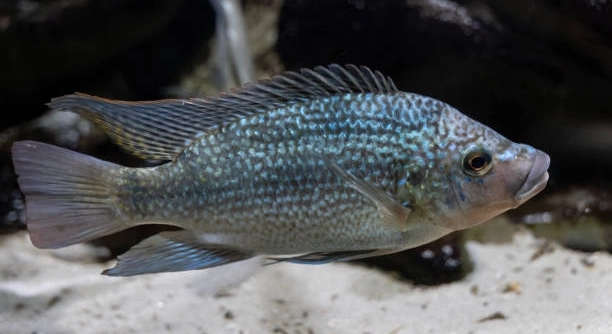
Are your cichlids showing more aggression than usual, chasing each other or nipping at other fish in the tank? Aggressive behavior can disrupt the balance of your aquarium and make daily maintenance stressful.
One effective approach to managing aggressive cichlids is to provide them with consistent distractions. Introducing hiding spots, rearranging tank decor, using floating or sinking objects, and offering varied feeding routines can reduce aggression and encourage calmer, more balanced behavior.
Maintaining harmony in your tank takes planning, but simple adjustments can make a noticeable difference in your cichlids’ interactions. Small changes often lead to a calmer, more enjoyable aquarium environment.
Rearrange Tank Decor
Changing the layout of your aquarium can significantly reduce aggression among cichlids. Rocks, plants, and other decorations create natural barriers, giving fish places to hide or claim as territories. By breaking up sightlines, dominant fish cannot see every competitor at once, which often lowers tension. Rearranging items periodically also keeps the environment stimulating, preventing boredom and repetitive territorial disputes. Floating plants or tall decorations near the top can provide additional coverage for smaller fish, allowing them to avoid confrontations. It’s important to ensure that any changes still maintain swimming space and proper filtration. Sharp edges or unstable rocks should be avoided, as they can injure fish during chasing incidents. Observing how fish adjust after changes helps determine which decorations work best. Over time, a well-structured tank can reduce stress, improve fish health, and promote natural behavior while keeping aggression manageable and predictable.
Strategic decoration changes give cichlids new hiding spots and visual barriers, which help reduce repeated aggressive encounters and stress.
A calm environment encourages more balanced social interactions among cichlids. When fish feel secure, aggression drops, and you can enjoy watching natural behaviors rather than constant chasing. Proper decoration also prevents injury, as fish have safe spaces to retreat. Changing the layout keeps the aquarium interesting and mentally stimulating, promoting activity that is not focused on fighting. Over time, your tank becomes a healthier, more harmonious habitat where each fish can establish a territory without constant conflict, and your daily maintenance becomes easier and less stressful.
Introduce Feeding Variations
Adjusting feeding routines can redirect aggression in cichlids. Offering multiple feeding points reduces competition and keeps dominant fish from chasing others away.
Providing varied food types, such as pellets, flakes, or occasional live foods, encourages natural foraging behaviors. Feeding at different times or locations in the tank ensures that all fish can eat without confrontation. This method also keeps fish mentally engaged, reducing boredom-related aggression. Overfeeding should be avoided, as leftover food can degrade water quality and create health issues. Observing your cichlids’ responses allows you to adjust feeding strategies for optimal balance.
Variety in feeding prevents fixation on territory disputes and encourages healthier interactions. Consistent, well-planned meals help maintain calm, reduce stress, and support overall tank health. By combining multiple food types and distribution points, you can foster a more peaceful, active community in your aquarium, keeping aggressive tendencies under control while ensuring all cichlids receive proper nutrition and stimulation.
Add Hiding Spots
Providing ample hiding spots helps reduce aggression among cichlids. Caves, tunnels, and dense plant clusters give fish places to escape, lowering stress and preventing constant chasing or territorial fights.
Hiding spots allow weaker or smaller fish to avoid dominant ones. Using natural rock formations, ceramic caves, or PVC tubes creates secure areas that mimic their natural habitat. By giving each fish a retreat, you can minimize conflicts and reduce injuries. Plants, both real and artificial, add cover and visual barriers, further supporting calmer interactions. Changing or adding new hiding spots occasionally keeps the environment interesting and encourages exploration. A well-structured tank with retreats promotes healthier social behavior and reduces continuous aggression.
These shelters also encourage natural behaviors, such as exploring and seeking refuge, rather than constant fighting. Fish that feel secure are more likely to swim confidently, feed properly, and interact less aggressively. Over time, this reduces stress levels, improves overall health, and allows all cichlids to establish territories safely without ongoing conflict.
Use Distraction Objects
Floating or sinking distraction objects can redirect attention from aggressive interactions. Items like floating plants, driftwood, or moving toys provide visual stimulation and reduce chasing behavior.
Distraction objects keep cichlids engaged in exploring and interacting with the environment instead of focusing solely on rivals. Placing objects strategically near open spaces or high-traffic areas diverts attention and encourages mental stimulation. Movement or new textures catch their interest, breaking repetitive aggressive patterns. Rotating objects occasionally keeps fish curious and prevents boredom, which often triggers fighting. Observing how fish react to new items allows you to adjust placement and type for maximum effect, helping maintain a calmer aquarium.
By using distraction items consistently, aggression is significantly reduced, and fish become more active and less stressed. These objects create temporary territories and provide visual interest, helping dominant cichlids redirect energy away from constant chasing. Combined with hiding spots and proper feeding routines, distraction objects support a more balanced social environment, allowing weaker fish to navigate the tank safely while encouraging healthier interactions across the community.
Increase Tank Size
A larger tank gives cichlids more space to establish territories, reducing constant aggression. Extra room allows fish to swim freely and avoid frequent confrontations with dominant individuals.
More space also encourages natural behavior and exploration. With additional swimming areas, smaller or less aggressive fish can retreat safely, lowering stress and improving overall tank harmony.
Introduce Tank Mates Carefully
Adding compatible tank mates can help spread aggression, but choices must be cautious. Non-aggressive, similarly sized fish are best, while avoiding overcrowding. Proper research ensures the community remains balanced.
Adjust Water Conditions
Stable water parameters support calmer behavior in cichlids. Regular testing and maintaining proper temperature, pH, and filtration prevent stress that can trigger aggression.
FAQ
How can I tell if my cichlids are too aggressive?
Aggression in cichlids shows through constant chasing, nipping, or cornering other fish. Fish may display flared fins, rapid movements, or frequent territorial disputes. Observing patterns over several days helps identify if the behavior is occasional or chronic, signaling whether intervention is needed.
Will rearranging the tank really reduce aggression?
Yes, changing the layout creates visual barriers and new territories, lowering dominance disputes. Rocks, plants, and caves give fish hiding spots, reduce line-of-sight conflicts, and encourage exploration. Adjusting items periodically keeps fish engaged and prevents boredom-induced fighting.
What types of hiding spots are most effective?
Caves, tunnels, driftwood, and dense plants work well. Natural rocks or ceramic structures create secure retreats, while plants provide cover and visual separation. Rotating or adding new hiding places prevents repetitive aggression and encourages calmer social behavior.
Can feeding routines affect aggression?
Feeding multiple times a day at different tank locations reduces competition. Offering varied food types, like pellets, flakes, or occasional live foods, promotes natural foraging and redirects energy from fighting. Overfeeding should be avoided to maintain water quality.
Do tank size and shape matter?
A larger tank with ample swimming space allows cichlids to establish territories without constant conflict. Elongated tanks provide distance between rivals, while overcrowding can intensify aggression. Proper spacing is essential for calmer interactions.
Are distraction objects really helpful?
Yes, floating plants, driftwood, or small movable items engage fish and redirect attention from aggressive behaviors. Rotating these objects maintains curiosity and prevents boredom, which often triggers chasing. Strategic placement in high-traffic areas is most effective.
Is introducing new fish risky?
Adding compatible, similarly sized, and non-aggressive tank mates can spread aggression but must be done carefully. Introducing too many at once or choosing aggressive species can worsen fights. Observation and gradual introduction help maintain balance.
How do water conditions influence aggression?
Unstable water parameters, such as fluctuating pH, temperature, or ammonia levels, increase stress, leading to aggressive behavior. Regular monitoring, consistent filtration, and stable conditions support calmer fish and reduce conflicts.
Can decorations alone solve aggression problems?
Decorations help but are not a complete solution. They work best alongside proper feeding routines, tank size, and hiding spots. Combining these strategies creates a structured environment where fish can establish territories and reduce stress.
How long does it take to see results from these changes?
Behavioral improvements may appear within days, but full adjustment can take weeks. Consistent monitoring and minor adjustments ensure lasting calm and healthier interactions among all cichlids.
Should I separate aggressive fish immediately?
Separation is only necessary if aggression causes injury or constant stress. Implementing hiding spots, rearranging decor, and adjusting feeding first often reduces fighting. Isolation is a last resort for persistent aggressive individuals.
Do cichlids ever naturally calm down?
Yes, some cichlids reduce aggression as they establish stable territories or adjust to tank mates. Ensuring proper space, decor, and feeding routines accelerates this natural balancing process, minimizing long-term conflict.
Can plants really help reduce fighting?
Yes, plants create visual barriers and provide cover, allowing weaker fish to escape. Both real and artificial plants contribute to calmer interactions and give the tank a more natural structure, improving social behavior overall.
Is there a specific order to implement these strategies?
Start with tank size and layout, then add hiding spots and distraction objects. Adjust feeding routines and monitor water conditions. Introduce compatible tank mates last. This order reduces stress and creates a stable, balanced environment for all fish.
What should I do if aggression persists?
If aggressive behavior continues despite changes, consider isolating the dominant fish temporarily or permanently. Regular observation, along with incremental adjustments to environment and feeding, helps identify triggers and maintain a peaceful aquarium.
Cichlids are naturally territorial and can show aggression, but there are practical ways to manage this behavior. By making adjustments to the tank environment, you can create a calmer and healthier space for all your fish. Rearranging decorations, adding hiding spots, and providing distraction objects help break up lines of sight and reduce repetitive conflicts. These changes allow fish to establish territories without constantly challenging each other. Over time, the tank becomes a more balanced environment, where dominant fish do not dominate weaker ones constantly, and all cichlids can swim freely and explore safely.
Feeding routines also play an important role in minimizing aggression. Offering food at multiple locations and varying the types of food encourages natural foraging and reduces competition at a single spot. Fish that are well-fed and mentally engaged are less likely to fixate on chasing others. In addition, providing plenty of swimming space and ensuring that tank size is sufficient for the number of cichlids prevents overcrowding, which is a common trigger for fights. Water quality and stable conditions also impact behavior. Regularly testing pH, temperature, and ammonia levels keeps the tank environment healthy and stress-free, further lowering aggression levels.
Consistency is key when managing cichlids’ behavior. It is important to observe how your fish respond to changes and make incremental adjustments when necessary. While some level of aggression is natural, using strategies like hiding spots, feeding variations, distraction objects, and proper tank sizing can greatly improve harmony. Patience is necessary, as it may take time for fish to adjust fully. By maintaining a structured, well-planned environment and monitoring behavior, you can ensure your cichlids remain active, healthy, and less aggressive, making your aquarium a more enjoyable space for both you and the fish.

Hello,
If you enjoy the content that we create, please consider saying a "Thank You!" by leaving a tip.
Every little bit helps us continue crafting quality advice that supports the health, happiness, and well-being of pets around the world, for pets of all shapes, sizes, and species.
We really appreciate the kindness and support that you show us!