
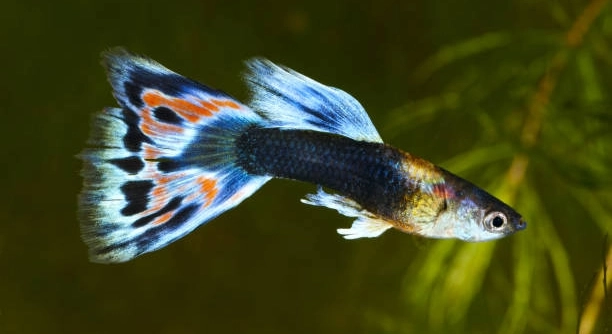
Are your guppies looking less active than usual or gathering near the surface more often than they used to?
Pollution in a guppy tank is most commonly detected through cloudy water, foul odor, unusual fish behavior, algae growth, and visible waste buildup. Regular testing of ammonia, nitrite, and nitrate levels confirms water quality.
Knowing these signs early can help you take action before things get worse and ensure your guppies stay happy and healthy.
Cloudy Water That Doesn’t Clear Up
Cloudy water is usually one of the first signs that something is off in a guppy tank. It often shows up when uneaten food, fish waste, or decaying plants break down and release organic compounds into the water. This buildup feeds bacteria and causes the water to turn hazy. Overfeeding is a big reason behind this, especially if leftovers aren’t removed quickly. A dirty filter or infrequent water changes can also allow debris to float around and cloud the tank. Guppies in this kind of water may seem stressed or less active. While a new tank might be cloudy due to bacterial bloom, if your tank has been established for a while and still looks foggy, it’s time to act. Always make sure the filter is working well, don’t overcrowd your tank, and try partial water changes regularly to clear things up and give your guppies a cleaner, safer space.
Cloudy water also blocks light, which can mess with your plants and affect guppies’ natural behavior and comfort.
Regular water changes, feeding only what guppies can eat in a few minutes, and cleaning the substrate will help keep your tank clear. Stick to a maintenance routine to prevent recurring problems.
Strong, Unpleasant Smell
A tank that smells bad is usually not balanced properly.
A strong, foul odor from your guppy tank often comes from decaying organic matter. Leftover food, fish waste, or dying plants can all release ammonia as they break down. If your filter isn’t running effectively or you’re not cleaning the tank regularly, the smell can quickly take over. Guppies are sensitive to these changes, and poor water quality can stress or even harm them over time. Always remove uneaten food within a few minutes and vacuum the gravel weekly to catch hidden waste. A filter that’s too small or clogged won’t keep up with waste levels, so make sure it’s suited for your tank’s size and cleaned monthly. Good aeration also helps reduce odor by promoting gas exchange. You can add live plants to absorb excess nutrients and keep the tank fresher. If the smell returns often, testing the water regularly for ammonia, nitrites, and nitrates can help you spot what’s wrong early.
Unusual Fish Behavior
Guppies that suddenly start acting differently may be reacting to poor water conditions. Look for signs like gasping at the surface, swimming near the filter, darting, or resting at the bottom more than usual. These changes can mean the water isn’t safe.
Stress from polluted water often shows up before physical symptoms. When guppies gasp at the surface, it’s usually because there’s not enough oxygen in the water. A dirty tank with high ammonia or nitrite levels can reduce oxygen and make breathing harder. Swimming close to the filter could be a sign they’re trying to find cleaner water. Guppies resting often at the bottom may feel weak or be struggling with toxins. Keep an eye on their activity. If something seems off, check water parameters right away. Quick action can prevent health problems. Improving aeration and doing small water changes can help fix the issue before it worsens.
Behavioral changes can happen fast, and they’re easy to miss if you don’t observe your guppies regularly. Try to set aside a few minutes each day to watch them. If your guppies aren’t chasing each other or showing their usual energy, pollution might be affecting them. It’s a good idea to test the water every week and clean your tank consistently.
Excess Algae Growth
Excess algae can grow quickly when there are too many nutrients in the water. Overfeeding, poor filtration, and direct sunlight all encourage algae to spread. Green water, slimy surfaces, and algae-coated plants can signal that the tank is out of balance.
When algae spreads, it competes with plants for nutrients and light, creating an unhealthy environment for your guppies. It can also reduce the amount of oxygen in the water at night, making it harder for fish to breathe. Most of the time, the cause is too much light or food, and not enough cleaning. Try to feed only what your guppies can eat in two minutes and avoid placing the tank near windows. Clean off algae from the glass with a scraper and vacuum the gravel regularly. You can also add live plants to use up extra nutrients. If it keeps coming back, test your water and consider adjusting your lighting schedule.
Floating Debris and Waste
If you see uneaten food, dead leaves, or fish waste floating around, your tank isn’t being cleaned properly. This buildup can pollute the water fast and stress your guppies. A good filter and routine cleaning help prevent this issue.
Vacuuming the gravel helps remove trapped debris that cloud the water and produce toxins. Make it a habit to do a partial water change each week. Clean filters monthly and trim dying plants regularly to keep everything in balance.
High Ammonia or Nitrite Levels
Even if your tank looks clean, high ammonia or nitrite levels can quietly harm your guppies. These compounds build up when waste breaks down and aren’t removed quickly enough. Regular testing is important. Use liquid test kits once a week, especially if your guppies act differently or the water looks off. If you catch these levels early, small water changes and filter checks usually solve the problem. In a new tank, spikes are common during cycling. Don’t add too many fish at once, and avoid overfeeding. A stable tank keeps levels low and your guppies healthy.
Slime Coating on Tank Surfaces
A slimy layer on the glass, decorations, or filter could mean there’s too much organic waste in the tank. Bacterial buildup often grows when water quality drops, making everything feel sticky or greasy to the touch.
FAQ
What are the common signs that my guppy tank is polluted?
The most common signs include cloudy water, foul odors, algae growth, unusual fish behavior, and visible waste. If your guppies are swimming strangely or gasping for air, the water quality is likely compromised. Check for excess food, waste, or dead plants in the tank as well. Regular water tests for ammonia, nitrite, and nitrate are also good ways to spot pollution early.
How often should I clean my guppy tank?
You should clean your guppy tank at least once a week. This includes doing a partial water change (about 25-30%), vacuuming the gravel, cleaning the filter, and removing any debris or algae buildup. Keeping a routine helps prevent the accumulation of waste and keeps the water quality stable.
Can overfeeding cause pollution in the tank?
Yes, overfeeding is a common cause of tank pollution. Excess food that isn’t eaten breaks down into waste, raising ammonia and nitrate levels. To avoid overfeeding, only offer enough food that your guppies can consume in a few minutes. Remove any uneaten food right away to prevent it from decaying.
Why is my guppy tank so cloudy?
Cloudy water usually results from a buildup of organic waste, uneaten food, or decaying plants. This can cause a bacterial bloom, making the water appear murky. Another reason could be an ineffective filtration system. If you notice cloudy water, perform a water change, check the filter, and clean any surfaces where debris is present.
What causes a bad smell in the tank?
A bad smell is a sign that something in the tank is decaying, such as leftover food, fish waste, or dying plants. Poor filtration or lack of regular maintenance also contributes to the smell. To fix it, remove any decaying material, clean the tank, and check the filter to ensure it’s working properly.
How can I prevent algae growth in my guppy tank?
Algae growth is encouraged by excess light, high nutrient levels, and poor water quality. To reduce algae, limit the amount of light your tank gets, especially direct sunlight. Also, avoid overfeeding and perform regular water changes. Adding live plants can help absorb extra nutrients, keeping algae in check.
Is it normal for guppies to swim at the top of the tank?
Guppies may swim at the top if they are struggling to breathe. This could be due to low oxygen levels, often caused by poor water quality or overcrowding. Check your water parameters, make sure the filter is functioning well, and ensure your tank has proper aeration to keep oxygen levels high.
How can I tell if my guppies are stressed due to polluted water?
Stressed guppies may display signs like gasping at the surface, reduced activity, erratic swimming, or hiding more than usual. Polluted water can lead to respiratory problems or irritate their skin. If you see these behaviors, test the water for harmful substances like ammonia, nitrite, and nitrate, and perform water changes to improve the environment.
How do I know if my filter is working properly?
If your filter isn’t working well, you may notice cloudy water, debris accumulation, or a foul smell. Regularly clean the filter according to the manufacturer’s instructions, and make sure it’s sized appropriately for your tank. If the flow seems weak or the water isn’t getting filtered efficiently, you may need to replace or upgrade your filter.
What water parameters should I check for in my guppy tank?
The key water parameters to check are ammonia, nitrite, nitrate, pH, and temperature. Ammonia and nitrite should always be at zero, while nitrates should stay below 40 ppm. Guppies prefer a slightly alkaline pH (around 7.0-8.0) and a temperature range of 74-82°F (23-28°C).
Can polluted water harm my guppies in the long run?
Yes, polluted water can lead to long-term health problems for guppies. Ammonia and nitrites are toxic, and poor water quality can weaken their immune system, making them more susceptible to diseases. Chronic exposure to polluted water can cause stress, reduced lifespan, and even death. Regular maintenance and monitoring are essential to keep your guppies safe.
What should I do if my guppies are showing signs of illness from polluted water?
If your guppies are sick, first address the water quality. Perform a water change, test for ammonia, nitrite, and nitrate levels, and adjust accordingly. Remove any potential sources of pollution like uneaten food or decaying plants. Isolate any sick fish if needed and provide them with appropriate treatment for specific symptoms.
Final Thoughts
Maintaining a clean and healthy environment for your guppies is essential for their well-being. Pollution in the tank can cause stress, illness, and even death if left unchecked. By recognizing the signs of pollution early, such as cloudy water, foul odors, and unusual fish behavior, you can take action to fix the problem before it gets worse. Regular maintenance, like cleaning the tank, performing water changes, and monitoring water quality, is key to preventing pollution from affecting your guppies. With a little attention and care, you can keep the water clean and provide your guppies with a happy, healthy home.
Water quality plays a big role in the overall health of your guppies. Ammonia, nitrites, and nitrates should be kept at safe levels, as high concentrations of these chemicals can harm your fish. Proper filtration, along with regular water testing, helps ensure that the water stays clean and clear. It’s also important to avoid overfeeding and to remove any uneaten food promptly. When fish waste, food, or dead plants build up in the tank, it leads to pollution that can quickly overwhelm the system. A regular routine of checking your water parameters and cleaning the tank can prevent these issues and keep the water safe for your guppies.
Ultimately, maintaining a healthy tank is about being proactive and consistent. Observing your guppies and their behavior regularly will help you spot any early signs of pollution. Small changes in water quality can affect your guppies’ health, so addressing problems as they arise is essential. A clean tank is not just more visually appealing but also provides a better environment for your fish to thrive in. By keeping pollution in check and staying on top of regular maintenance, you’ll ensure that your guppies stay happy and healthy for a long time.

Hello,
If you enjoy the content that we create, please consider saying a "Thank You!" by leaving a tip.
Every little bit helps us continue crafting quality advice that supports the health, happiness, and well-being of pets around the world, for pets of all shapes, sizes, and species.
We really appreciate the kindness and support that you show us!