
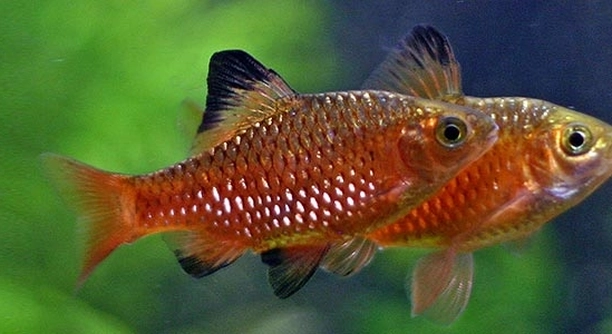
Rosy Barbs are lively and colorful fish that bring energy to any aquarium. Many fish keepers want to create a beautiful tank environment that highlights their natural charm. Decorating a Rosy Barb tank requires some thoughtful planning and creativity.
Decorating a Rosy Barb tank involves choosing the right plants, substrate, decorations, and lighting to create a balanced, healthy environment. Attention to water quality and fish behavior is also essential to ensure the fish thrive and look their best.
Exploring different decoration ideas can help you build a stunning tank that suits both the fish and your personal style.
Choosing the Right Plants
Adding live plants to a Rosy Barb tank creates a natural environment that these fish enjoy. Plants help improve water quality by absorbing nitrates and provide hiding spots, reducing stress for the fish. Some good choices include Java fern, Anubias, and Hornwort. These plants are hardy and can tolerate the activity level of Rosy Barbs, which tend to be lively swimmers. Avoid delicate plants that can be easily uprooted. Place taller plants at the back or sides of the tank to create depth, and shorter ones near the front. Plants also add color contrast that makes the fish stand out. Regular trimming helps maintain a clean look and prevents overcrowding. Using a mix of floating and rooted plants can balance light levels and provide variety. A well-planted tank offers a peaceful setting where Rosy Barbs can explore and feel secure, which helps show their best colors and behavior.
Plants improve the tank’s health and give Rosy Barbs places to hide and swim naturally.
Keeping the plants trimmed and arranged well supports a healthy, balanced tank. It also helps avoid dead spots where algae might grow. Floating plants reduce light harshness and add movement. Remember to choose plants suited for your tank’s size and lighting to keep the environment stable. This approach creates an attractive and functional habitat for your Rosy Barbs.
Selecting Substrate and Decorations
Using the right substrate can change how the tank looks and feels for your fish. Fine gravel or sand works well because it mimics the natural riverbeds where Rosy Barbs come from. Avoid sharp or large stones that could hurt the fish while they swim or forage. The substrate should be easy to clean to keep the tank healthy. Adding natural decorations like driftwood or smooth rocks creates hiding spots and resting places. Decorations should not overcrowd the tank but rather complement the plants and open swimming areas. A simple design helps maintain good water flow and reduces places where debris can collect. Decorating with natural elements also makes the tank feel more inviting and balanced, which supports the fish’s wellbeing. Clear space is important because Rosy Barbs are active and need room to swim.
Choosing smooth gravel or sand is best for a safe and natural base in the tank.
Natural decorations like driftwood and rocks create hiding spots and improve the tank’s look without cluttering. Make sure decorations fit the tank size and allow free movement to keep your Rosy Barbs comfortable and healthy.
Lighting and Its Effects
Lighting affects how Rosy Barbs look and behave in the tank. Moderate lighting brings out their colors without stressing them. Too much light can cause algae growth and make the fish hide more.
Using LED lights with adjustable brightness helps control the tank environment. Aim for about 8-10 hours of light daily to mimic natural conditions. Lighting should support plant growth without overheating the tank water. Consider adding floating plants to diffuse intense light and give fish shaded areas to rest. Proper lighting balances the tank’s ecosystem, enhancing both the plants’ health and the Rosy Barbs’ vibrant colors. This balance encourages natural activity and reduces stress, contributing to a stable and pleasant tank atmosphere.
Consistent lighting schedules also help maintain the tank’s biological rhythm, which benefits all aquatic life inside.
Maintaining Water Quality
Clean water is vital for Rosy Barbs’ health and overall tank beauty. Regular water changes of 20-30% weekly keep toxins low and oxygen levels high. Testing water parameters like pH, ammonia, and nitrate levels helps catch problems early. Rosy Barbs prefer slightly acidic to neutral water with stable temperatures around 72-78°F (22-26°C). Using a good filter maintains water clarity and biological balance, but it should not create strong currents since these fish prefer gentle flow. Overfeeding can pollute the water quickly, so feeding small amounts once or twice daily is best. Keeping water clean reduces stress and disease risk, allowing your Rosy Barbs to display their natural colors and behaviors fully. A well-maintained tank looks clearer and more attractive, making decorations and fish stand out nicely.
Creating Hiding Spots
Hiding spots help Rosy Barbs feel safe and reduce stress. Use caves, plants, or decorations with gaps for them to swim through. These spots also encourage natural behaviors and rest.
Avoid overcrowding the tank with too many hiding places. Balance open swimming areas with secure shelters for comfort and activity.
Choosing Tank Size and Shape
A larger tank with at least 20 gallons is ideal for Rosy Barbs, providing enough space to swim actively. A longer tank is better than a tall one, offering more horizontal space. This allows natural schooling behavior and reduces territorial disputes. The shape also affects decoration placement and water flow, so plan accordingly to keep the environment stable and enjoyable for the fish.
Avoiding Overcrowding
Keep stocking levels moderate to prevent stress and poor water quality. Overcrowding reduces swimming space and increases waste buildup. A balanced number of Rosy Barbs ensures healthier fish and a cleaner tank environment.
Monitoring Fish Behavior
Watch for signs of stress, aggression, or illness regularly. Early detection helps address problems before they worsen.
FAQ
How often should I clean my Rosy Barb tank?
Cleaning the tank regularly helps keep the environment healthy for Rosy Barbs. Perform a partial water change of about 20-30% every week to remove waste and toxins. Clean the substrate by vacuuming debris and rinse filter media monthly without using tap water to preserve beneficial bacteria. Avoid cleaning everything at once to prevent disturbing the tank’s balance. Regular maintenance supports clear water, healthy fish, and vibrant plants.
What kind of food is best for Rosy Barbs?
Rosy Barbs eat a variety of foods, including flakes, pellets, frozen, and live food. Choose a high-quality flake or pellet food as the staple diet. Supplement with frozen or live foods like bloodworms, brine shrimp, or daphnia to add protein and variety. Feeding small amounts once or twice daily prevents overfeeding, which can pollute the water. A balanced diet keeps Rosy Barbs healthy and colorful.
Can Rosy Barbs live with other fish?
Yes, Rosy Barbs are generally peaceful and can live with other community fish. Choose tank mates of similar size and temperament, such as danios, barbs, or small catfish. Avoid slow-moving or long-finned fish, as Rosy Barbs might nip fins. Always monitor interactions after introducing new fish to ensure compatibility and reduce stress.
How many Rosy Barbs should I keep together?
Rosy Barbs are schooling fish and should be kept in groups of at least six. Keeping them in groups reduces aggression and encourages natural swimming behavior. Smaller groups may lead to stress and territorial fights. A proper group size also helps create a lively and balanced tank environment.
What water temperature is best for Rosy Barbs?
Rosy Barbs thrive in water temperatures between 72°F and 78°F (22°C to 26°C). Maintain a stable temperature using an aquarium heater with a reliable thermostat. Sudden temperature changes can stress fish and weaken their immune system. Monitoring the temperature regularly helps keep Rosy Barbs healthy and active.
How do I prevent algae growth in the tank?
Algae can grow if the tank gets too much light or if water quality is poor. Limit lighting to 8-10 hours daily and avoid direct sunlight. Regular water changes and not overfeeding reduce excess nutrients that feed algae. Adding live plants also competes with algae for nutrients. If algae appear, manually remove it and check tank conditions to prevent recurrence.
What signs indicate my Rosy Barb is sick?
Look for changes in behavior, such as lethargy, loss of appetite, or hiding more than usual. Physical signs include faded colors, clamped fins, spots, or abnormal swimming. Early detection allows faster treatment. Isolate sick fish if possible and consult care guides or a vet for proper diagnosis and medication.
Is it necessary to use a filter in a Rosy Barb tank?
Yes, a filter is essential to keep the water clean and healthy. It removes waste, toxins, and helps maintain oxygen levels. Choose a filter with moderate flow because Rosy Barbs prefer gentle currents. Regularly clean and maintain the filter to ensure it works effectively without disturbing the tank’s balance.
Can Rosy Barbs breed in a home aquarium?
Rosy Barbs can breed in home tanks if conditions are right. Provide a separate breeding tank with fine-leaved plants or spawning mops. Keep the water slightly warmer around 75-78°F (24-26°C). After spawning, remove the adults to protect the eggs and fry. The eggs hatch in about two days, and the fry need tiny live foods to grow.
What is the best way to introduce new fish to a Rosy Barb tank?
Acclimate new fish slowly to avoid shock. Float the bag in the tank water for 15-20 minutes to equalize temperature. Gradually add tank water to the bag over 30-60 minutes before releasing the fish. Monitor new arrivals closely for signs of stress or illness. Quarantine new fish before adding them to prevent spreading disease. This careful process helps maintain a healthy, peaceful community.
Final Thoughts
Creating a beautiful and healthy environment for Rosy Barbs takes some effort but is very rewarding. Paying attention to key elements like plants, decorations, lighting, and water quality can make a big difference in how your tank looks and how well your fish do. These fish are active and colorful, so they need space to swim and places to hide. When you set up the tank with care, it helps them show their natural behavior and vibrant colors, which is satisfying to see.
Maintaining the tank regularly is just as important as the initial setup. Water changes, cleaning the substrate, and checking the filter keep the environment stable and safe for the fish. Overfeeding or overcrowding can cause problems quickly, so it is best to feed small amounts and keep the number of fish balanced. Watching your fish daily helps you notice if something is wrong early. A clean and well-maintained tank supports the health of both fish and plants, making the tank a peaceful place to enjoy.
Each tank will be a bit different, so learning and adjusting as you go is part of the process. Don’t hesitate to try new decoration ideas or adjust lighting and plants to find what works best for your setup. Keeping Rosy Barbs is enjoyable when their needs are met and they have a comfortable space to live in. With patience and care, your Rosy Barb tank can become a beautiful, lively aquarium that brings calm and color to your home.

Hello,
If you enjoy the content that we create, please consider saying a "Thank You!" by leaving a tip.
Every little bit helps us continue crafting quality advice that supports the health, happiness, and well-being of pets around the world, for pets of all shapes, sizes, and species.
We really appreciate the kindness and support that you show us!