
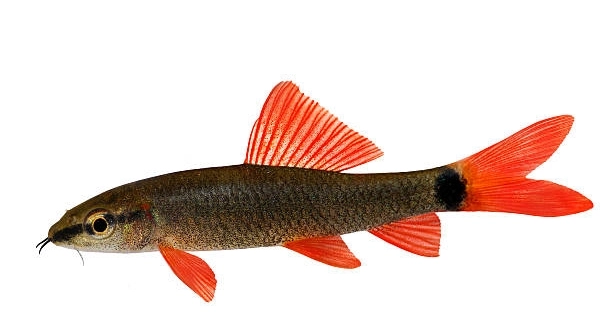
Many aquarium owners enjoy keeping rainbow sharks for their vibrant colors and active swimming. However, these fish sometimes show aggressive behavior, which can be challenging to manage. Knowing how to handle this aggression helps create a peaceful tank environment.
Rainbow sharks exhibit aggression due to territorial instincts and stress factors. Effective management includes providing ample space, hiding spots, compatible tank mates, and proper feeding routines to reduce competition and encourage calmer behavior.
Learning how to recognize and reduce aggression will improve your fish’s wellbeing and make your aquarium a more harmonious place.
Creating a Comfortable Territory
Rainbow sharks feel more secure when they have enough space to claim as their own. A crowded tank often increases aggressive behavior because these fish compete for limited spots. Providing at least 30 gallons for one rainbow shark reduces tension. Including plenty of plants, rocks, and caves helps create natural boundaries that break the line of sight between fish. This gives them private areas to retreat when feeling threatened. When territories are clearly defined, rainbow sharks are less likely to chase or nip at other tank mates. Regular cleaning and maintaining water quality also keep stress levels low. Stress can increase aggression, so a stable environment is essential for calming these fish. Arranging the tank thoughtfully shows how much environment impacts behavior. This step is often overlooked but can change how peaceful your aquarium feels.
Setting up a tank with distinct spaces reduces stress and minimizes aggressive outbreaks in rainbow sharks.
Providing a habitat with varied hiding spots encourages more natural, calm behavior. It also helps shy fish feel safer alongside the more territorial rainbow sharks. Over time, this arrangement lowers aggression, making the entire tank environment more balanced. Including vertical and horizontal structures allows rainbow sharks to swim freely while still feeling protected. This balance between open swimming space and secure hiding places is key to peaceful cohabitation. Observing your fish’s behavior after adding new decorations can guide future changes. Sometimes a small rearrangement is all it takes to calm an aggressive fish. Keeping your aquarium visually interesting benefits all species living inside it.
Choosing Compatible Tank Mates
Rainbow sharks often become aggressive when housed with fish that are similar in shape or size. Choosing tank mates that are peaceful and fast swimmers helps reduce conflicts. Avoid small, slow-moving fish as they may become targets. Larger, more robust species that occupy different tank levels usually coexist better with rainbow sharks. Community fish like danios or barbs can be good options because they are quick and avoid confrontation. Also, avoid keeping multiple rainbow sharks in the same tank unless it is very large. Overcrowding increases territorial disputes and stress. Introducing new fish slowly and monitoring interactions during the first days is important to prevent injuries. Selecting compatible companions improves the atmosphere and helps everyone thrive together.
Careful selection of tank mates keeps aggression manageable and promotes harmony among your fish.
Spending time to research and observe fish behavior before adding new species can save a lot of trouble. Watching how fish interact allows you to intervene early if signs of bullying appear. Ultimately, a balanced mix of species with different habits and temperaments creates a healthier, more enjoyable tank environment for both you and your fish.
Maintaining Proper Feeding Habits
Overfeeding can increase aggression among rainbow sharks as they compete for food. Feeding small amounts multiple times a day helps reduce stress and fights. A balanced diet with sinking pellets and occasional vegetables keeps them healthy and less irritable.
Feeding rainbow sharks too much or too little can affect their behavior. When food is scarce, they become more aggressive trying to get enough. Conversely, overfeeding causes poor water quality, leading to stress and irritability. It is best to feed them twice a day with amounts they can finish within a few minutes. Including a variety of foods like algae wafers, bloodworms, and blanched vegetables gives them balanced nutrition. This variety prevents boredom and supports overall health. Consistent feeding routines also help them feel secure and calm.
Proper feeding routines reduce competition and stress, two major causes of aggression in rainbow sharks. By watching their eating habits and adjusting accordingly, you create a more peaceful environment for all tank inhabitants.
Monitoring Water Quality Regularly
Poor water quality raises stress and aggressive behavior in rainbow sharks. Regularly testing and maintaining optimal levels of ammonia, nitrite, and nitrate keeps fish healthy. Clean water supports calm and natural behavior.
Maintaining clean, stable water conditions is critical for reducing aggression. Ammonia and nitrite should always be at zero, and nitrate kept below 20 ppm. Frequent partial water changes, around 20-30% weekly, help remove toxins. Using a reliable filtration system and avoiding overstocking also improve water quality. Sudden changes in temperature or pH can provoke stress, making fish more likely to fight. Monitoring water parameters consistently allows early detection of problems before aggression spikes. Healthy water conditions improve your fish’s immune system, making them less vulnerable to stress-induced behaviors.
Good water quality is the foundation for a peaceful aquarium. Regular maintenance keeps rainbow sharks calm and reduces chances of aggressive outbursts.
Using Visual Barriers
Visual barriers help reduce aggression by breaking the line of sight between rainbow sharks and other fish. Plants, rocks, or decorations placed strategically create hiding spots and private areas that calm territorial disputes. This simple change often lowers stress quickly.
Adding tall plants or textured decorations creates natural boundaries in the tank. These barriers prevent constant chasing by limiting visibility and allowing fish to escape aggressive encounters. It also mimics their natural habitat, helping rainbow sharks feel safer and less threatened.
Avoiding Overcrowding
Overcrowding in the aquarium leads to stress and increased aggression among rainbow sharks. Providing enough space for each fish reduces fights and territorial behavior.
Observing Behavior Early
Watching your fish closely helps catch early signs of aggression. Early intervention prevents serious injuries and improves tank harmony.
Why is my rainbow shark so aggressive?
Rainbow sharks can be aggressive due to their natural territorial instincts. They often see other fish as competition for space, food, or mates. Stress from overcrowding, poor water quality, or sudden changes in the tank environment can also increase their aggression. Providing enough space and hiding spots helps reduce this behavior.
How can I tell if my rainbow shark is stressed?
Signs of stress include constant chasing or fin-nipping, hiding more than usual, loss of color, or erratic swimming. Stress can weaken their immune system, making them more prone to disease. Regular observation helps you catch these signs early.
Can aggressive behavior harm other fish?
Yes, aggressive rainbow sharks may injure or stress other tank mates. This can lead to wounds, infections, or even death if aggression is not controlled. It’s important to separate fish if fights become serious.
Is it okay to keep more than one rainbow shark in the same tank?
It depends on tank size. Rainbow sharks are territorial, so a very large tank with many hiding spots may support more than one. In smaller tanks, multiple rainbow sharks usually lead to fights and stress.
What tank size is best for a rainbow shark?
A minimum of 30 gallons is recommended for one rainbow shark. Larger tanks provide more space to establish territories and reduce aggression. Overcrowding should be avoided at all costs.
What types of decorations help reduce aggression?
Dense plants, rocks, caves, and other structures create natural boundaries. These break the line of sight and provide hiding places, helping rainbow sharks feel secure and less likely to attack others.
Does diet affect aggression in rainbow sharks?
Yes, a poor or inconsistent diet can increase competition and aggression. Feeding small amounts multiple times a day with a balanced diet, including sinking pellets and vegetables, reduces food-related fights.
How often should I test water quality?
Testing weekly is a good practice. Keeping ammonia and nitrite at zero, and nitrate low, helps maintain a healthy environment. Good water quality lowers stress and aggression.
Can adding new fish increase aggression?
Introducing new fish can disrupt established territories and cause fights. It’s best to add new fish slowly and monitor interactions closely during the first days to prevent serious conflicts.
What should I do if my rainbow shark is too aggressive?
Try increasing tank size, adding more hiding spots, or rearranging decorations to create new territories. Adjust feeding routines and improve water quality. If aggression continues, consider separating the aggressive fish or rehoming it.
Are there specific fish that do well with rainbow sharks?
Fast, peaceful fish that occupy different tank levels, like danios or barbs, generally coexist well. Avoid slow-moving or very small fish that may become targets.
Can stress cause health problems in rainbow sharks?
Yes, stress weakens their immune system, making them vulnerable to infections and diseases. Reducing aggression and maintaining stable tank conditions supports their health.
How do I introduce new tank mates without causing aggression?
Add new fish gradually and keep a close eye on how rainbow sharks react. Providing extra hiding spaces during introductions can help ease tension.
Is it normal for rainbow sharks to chase other fish?
Some chasing is normal due to their territorial nature. However, constant chasing or injury is a sign of excessive aggression that needs to be addressed.
Can changing the tank layout help reduce aggression?
Yes, rearranging plants and decorations breaks existing territories and can reset aggressive patterns. This often calms territorial disputes and improves harmony.
Managing rainbow shark aggression takes patience and attention. These fish naturally defend their space, but there are clear steps you can take to reduce conflicts in your aquarium. Giving them enough room to swim and set territories is important. Adding plants, rocks, and decorations helps create separate areas and hiding spots, which makes them feel safer. When fish feel secure, they are less likely to attack each other. Keeping the tank clean and stable with regular water changes also reduces stress, which lowers aggression. Feeding the right amount of food at the right times keeps competition down, preventing fights over meals.
Choosing the right tank mates plays a big role too. Rainbow sharks do better with peaceful, fast fish that live in different parts of the tank. Avoiding overcrowding and introducing new fish carefully helps keep the peace. Watching your fish closely lets you notice early signs of trouble, so you can act before aggression causes harm. If aggression remains a problem despite your efforts, sometimes separating the aggressive fish or upgrading to a larger tank becomes necessary. Each rainbow shark has its own personality, so a bit of trial and error may be needed to find what works best in your aquarium.
Overall, creating a calm and comfortable environment benefits not only your rainbow shark but all the fish in your tank. Consistency in care and attention to their needs helps them thrive. Aggression is a natural behavior, but with the right setup and care, it can be managed well. This allows you to enjoy the beauty and activity of your rainbow shark without constant worry. Taking the time to adjust your tank and routine will reward you with a healthier, more peaceful aquarium for everyone involved.

Hello,
If you enjoy the content that we create, please consider saying a "Thank You!" by leaving a tip.
Every little bit helps us continue crafting quality advice that supports the health, happiness, and well-being of pets around the world, for pets of all shapes, sizes, and species.
We really appreciate the kindness and support that you show us!