
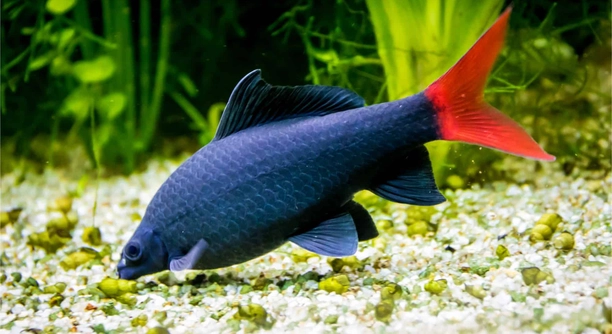
Are your rainbow sharks chasing tankmates and creating constant stress in your peaceful aquarium setup? You’re not alone—this is a common issue among hobbyists.
Rainbow sharks often become territorial due to their natural instincts and tank conditions. Inadequate space, poor layout, or inappropriate tankmates can trigger aggressive behavior. Creating a well-planned environment is essential for reducing tension and promoting peaceful coexistence.
Understanding why territory issues occur is the first step toward a calmer tank. The right setup can help your fish live more peacefully.
Give Them Enough Space
Rainbow sharks need plenty of room to feel secure. A small tank can make them territorial and aggressive. A minimum of 55 gallons is ideal for a single rainbow shark. This gives them space to swim freely and set boundaries without constantly running into other fish. The layout should include caves, driftwood, or plants to block sightlines and reduce confrontations. These hiding spots allow tankmates to escape if needed. Avoid overcrowding, as it increases stress. A larger, well-decorated tank lowers tension and helps everyone live more peacefully. Always consider tank size first when setting up a habitat for a rainbow shark.
Choosing the right tank size from the beginning can prevent many problems later. It’s one of the most important decisions you’ll make for their long-term well-being.
Besides tank size, layout and structure also matter. Rainbow sharks often choose a specific area to defend. When the tank has only open space, they see everything as theirs to guard. Break up those lines of sight with plants, caves, or ornaments. This reduces the pressure they feel and helps other fish find space. A natural layout with defined territories allows all fish to establish zones without conflict. This not only lowers aggression but also improves the overall look of your tank.
Pick Suitable Tankmates
Peaceful tankmates are key. Avoid fish that look similar to your rainbow shark or that dwell on the bottom of the tank. This prevents unnecessary conflict.
Rainbow sharks are more likely to become aggressive when they feel threatened or crowded. Tankmates that compete for territory or resemble the rainbow shark too closely can trigger stress. Avoid bottom-dwellers like redtail sharks, other rainbow sharks, and loaches. Instead, choose mid-to-top level swimmers like barbs, danios, or gouramis. These fish are fast and less likely to invade the rainbow shark’s space. Make sure the other fish are not overly shy, as they still need to stand their ground without provoking fights. Keep group sizes balanced and avoid introducing too many new fish at once. The key is to keep the tank calm, with active but non-aggressive fish that respect boundaries. This balance makes a difference in overall harmony.
Rearrange Decor to Break Line of Sight
Rainbow sharks get defensive when they can see across the whole tank. Blocking their view with decor helps calm their behavior. Use rocks, caves, and tall plants to break up the open space and reduce visual stress.
Line of sight plays a big role in tank aggression. When a rainbow shark can see too much of the tank at once, it feels like it has to defend everything. Adding structures like rocks or driftwood helps create barriers. These dividers give fish a chance to escape or avoid each other without a chase. Place tall plants along the sides and corners to soften the view. This layout also gives the tank a more natural feel and provides comfort for all the fish. Strategic decor placement is a simple and effective way to ease tension and make your aquarium a calmer place overall.
It helps to observe how your fish move before rearranging things. Take note of aggressive spots—these are often in open areas. Shift the decorations to split these zones up. Avoid placing all hiding spots in one area; spread them around. This gives more fish a chance to use them. Try different setups over time to see what works best. You’ll usually notice a difference in behavior within a few days. A relaxed tank layout reduces stress and promotes a healthier aquarium environment for every fish, not just the rainbow shark.
Feed Strategically to Prevent Aggression
Feeding time can spark territorial behavior in rainbow sharks. Spread out food in multiple areas so fish don’t gather in one spot. This helps avoid fights and creates a more peaceful routine during meals.
Rainbow sharks can become more aggressive when food is introduced. They may guard the area or chase others away. Spreading the food across the tank reduces this. Use floating and sinking food to reach different fish at all levels. Offer small portions to make sure everyone eats without creating waste. Feed at the same time each day to build routine. It’s also helpful to distract the rainbow shark by feeding on one side of the tank first, then feeding the others elsewhere. This method spreads their focus and reduces competition. A calm feeding environment supports better tank relationships and keeps stress levels lower for everyone involved.
Limit the Number of Bottom Dwellers
Too many bottom dwellers can upset a rainbow shark. They naturally guard the lower part of the tank, so more competition leads to more aggression. Keep the bottom lightly stocked to avoid constant chasing and stress.
Stick to one or two peaceful bottom dwellers if you need them. Choose species that stay small and don’t resemble rainbow sharks. This lowers the chance of fights and keeps the tank balanced. Always watch for signs of bullying when new fish are added.
Avoid Housing More Than One Rainbow Shark
Rainbow sharks are highly territorial with their own kind. Keeping more than one in the same tank often leads to serious aggression. Even in larger tanks, one will usually dominate and harass the other. This behavior causes constant stress and can result in injury. It’s best to keep only one rainbow shark per aquarium. If you want multiple sharks, you’ll need a very large tank with clear territories, lots of barriers, and plenty of hiding places. But even then, peace isn’t guaranteed. Keeping just one rainbow shark is the safest way to prevent long-term conflict and promote a healthy environment.
Add the Rainbow Shark Last
Adding the rainbow shark last can reduce territorial problems. When they enter an already-established tank, they’re less likely to claim the entire space as their own. This simple step helps set a calmer tone.
How big should my tank be for a rainbow shark?
A tank should be at least 55 gallons for a single rainbow shark. They need plenty of swimming space to feel comfortable and avoid aggression. Smaller tanks often lead to stress and territorial behavior. If you plan to keep more fish, increase the tank size accordingly. The larger the tank, the easier it is to create separate zones for each fish, which helps reduce conflict.
Why is my rainbow shark attacking other fish?
Rainbow sharks are naturally territorial. Attacks usually happen when they feel crowded or stressed. Poor tank layout, small space, or aggressive tankmates can trigger this behavior. They may chase or nip fish that come too close to their chosen area. Proper tank size, decor placement, and suitable tankmates reduce aggression.
Can I keep two rainbow sharks together?
Generally, no. Two rainbow sharks in the same tank often lead to fights. Even large tanks with plenty of hiding spots don’t guarantee peace. One shark usually dominates the other, causing constant stress and possible injury. It is best to keep only one rainbow shark per tank to ensure a peaceful environment.
What kind of fish can live with a rainbow shark?
Good tankmates include active mid-to-top swimmers like barbs, danios, and gouramis. Avoid other bottom-dwelling fish that look similar or compete for the same space. Peaceful fish that do not provoke the rainbow shark help maintain calm. Avoid overcrowding and choose species with different swimming levels to reduce clashes.
How can I reduce territorial aggression?
Increasing tank size and adding plenty of decorations helps break up sightlines. Use caves, rocks, and tall plants to create visual barriers. Spreading food around during feeding times also reduces competition. These steps lower stress and prevent rainbow sharks from feeling the need to guard a large territory aggressively.
Is rearranging the tank effective for territorial issues?
Yes, rearranging the tank changes established territories. Moving decorations disrupts the shark’s claimed area and encourages them to explore new zones. This can reduce aggressive behavior by preventing them from defending one fixed area. Regularly changing the layout can keep the environment stimulating and less stressful.
When should I add a rainbow shark to the tank?
Add the rainbow shark after other fish are settled. When introduced last, the rainbow shark is less likely to feel the need to dominate the entire tank. This helps minimize early aggression and promotes better harmony with established tankmates.
What signs indicate stress in a rainbow shark?
Signs include constant hiding, faded colors, lack of appetite, and frequent chasing or biting of other fish. Stress can also cause health problems like fin damage or disease. Monitoring behavior and tank conditions helps catch these signs early, allowing for adjustments in care.
Can feeding habits influence aggression?
Yes. Feeding in one spot often causes competition and fights. Spreading food throughout the tank reduces conflicts. Offering both sinking and floating food allows all fish to eat comfortably without crowding. Feeding at regular times builds routine and reduces stress during meals.
How often should I clean the tank to keep aggression down?
Regular cleaning maintains water quality, which reduces stress and aggression. Aim for a partial water change of 20-30% weekly or biweekly. Remove uneaten food and waste to prevent toxins. Clean tanks create a healthier environment, which supports peaceful fish behavior.
Are rainbow sharks suitable for beginners?
They can be, but only if their needs are met. Proper tank size, peaceful tankmates, and good decor are necessary. Without this, territorial problems may arise. Beginners should research carefully before adding a rainbow shark to avoid frustration and fish loss.
Can I use plants to reduce aggression?
Yes, plants act as natural barriers. Tall or dense plants block sightlines and offer hiding spots. This lowers stress by breaking up the tank visually and physically. Both live and artificial plants can work if they fit the tank environment well.
What should I do if my rainbow shark injures other fish?
Separate injured fish immediately to prevent further harm. Check the tank setup and reduce stress factors like overcrowding. Consider increasing hiding spots or upgrading tank size. If aggression continues, rehoming the rainbow shark might be necessary for the health of all fish involved.
How important is water quality for behavior?
Very important. Poor water quality causes stress, which increases aggression. Keep parameters stable with regular testing. Clean water supports healthy fish and calmer behavior.
Can lighting affect territorial behavior?
Lighting can influence fish activity but usually has a minor effect on aggression. Providing a natural day-night cycle helps keep fish calm. Avoid overly bright or flashing lights that may stress the rainbow shark.
Is it normal for rainbow sharks to chase each other?
If multiple rainbow sharks are housed together, chasing is common. This is a sign of territorial disputes and dominance struggles. Such behavior usually leads to injury or stress, so it’s best to keep only one per tank.
How do I tell if my rainbow shark is sick or stressed?
Look for changes in color, erratic swimming, lack of appetite, or damaged fins. Stress weakens the immune system, making illness more likely. Prompt attention to these signs improves recovery chances.
Are certain decorations better than others for rainbow sharks?
Smooth rocks, caves, and driftwood are ideal. Avoid sharp or rough decorations that can injure active fish. Decorations should create hiding spots and break up the tank visually to reduce territorial behavior.
Does temperature affect rainbow shark behavior?
Rainbow sharks prefer temperatures between 72-79°F (22-26°C). Extreme temperatures can stress them and cause aggressive or lethargic behavior. Maintain a stable temperature within this range for best results.
What is the best way to introduce new fish to a tank with a rainbow shark?
Introduce new fish slowly and carefully. Quarantine new arrivals first to prevent disease. Add them when the rainbow shark is less active or after rearranging the tank. Monitor interactions closely and be ready to separate if aggression occurs.
When dealing with rainbow shark tank territory issues, understanding the fish’s natural behavior is important. Rainbow sharks are known to be territorial by nature, especially in smaller or crowded tanks. Giving them enough space and a well-structured environment can greatly reduce aggressive behavior. Providing hiding spots and visual barriers helps break up their territory, so they don’t feel the need to guard the entire tank. This approach creates a more peaceful and balanced aquarium for all fish involved.
Choosing compatible tankmates also plays a key role in managing aggression. Fish that occupy different swimming levels and have peaceful temperaments are better suited to live alongside rainbow sharks. Avoid overcrowding the tank or mixing bottom dwellers that might compete for the same space. Feeding habits can affect behavior as well; spreading food throughout the tank minimizes competition and fighting. Consistent tank maintenance, including water quality and regular cleaning, supports the overall health and calmness of the fish.
In summary, preventing territory issues with rainbow sharks requires a combination of good tank size, proper decoration, careful selection of tankmates, and thoughtful feeding practices. Each step helps reduce stress and aggression, making the aquarium a better home for all its residents. By observing your fish and adjusting their environment as needed, you can enjoy a peaceful and thriving aquatic community.

Hello,
If you enjoy the content that we create, please consider saying a "Thank You!" by leaving a tip.
Every little bit helps us continue crafting quality advice that supports the health, happiness, and well-being of pets around the world, for pets of all shapes, sizes, and species.
We really appreciate the kindness and support that you show us!