
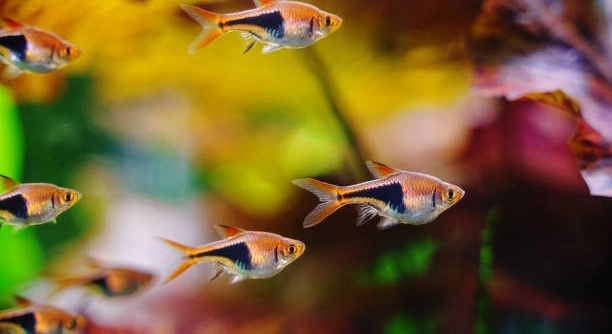
Rasboras are small, peaceful fish that bring calm and beauty to any home aquarium. Their graceful movements make them a favorite among fish keepers who enjoy a serene, visually appealing tank environment.
Creating a peaceful rasbora tank requires careful attention to water quality, proper tank size, appropriate plant placement, compatible tank mates, consistent feeding routines, gentle filtration, and stress reduction techniques. Each factor contributes to maintaining a stable and harmonious aquatic environment.
Learning these steps can improve your fish’s health and behavior. A well-planned tank ensures rasboras thrive and display their natural, peaceful tendencies consistently.
Choosing the Right Tank Size
A proper tank size is essential for keeping rasboras calm and healthy. Small tanks can make these fish stressed because they need space to swim in schools. A tank that is at least 20 gallons provides enough room for five to six rasboras to move freely. Overcrowding increases aggression, stress, and susceptibility to disease. Plants, decorations, and hiding spots also take up space, so the tank needs extra capacity to maintain open swimming areas. Filtration and water flow should match the tank size to prevent stagnant spots. Water parameters must remain stable, as rasboras are sensitive to sudden changes in temperature, pH, and ammonia levels. A tank with a secure lid prevents jumping, which is common in small or stressed setups. Regular maintenance like partial water changes helps maintain water quality. Choosing the right tank size ultimately supports peaceful behavior and enhances the natural beauty of these small fish.
Smaller tanks can feel cozy, but for rasboras, more space leads to calmer and healthier behavior over time.
Providing adequate swimming space allows rasboras to form proper schools and display their natural patterns. By balancing plants, decorations, and open areas, the tank remains visually pleasing and stress-free. Proper sizing also ensures filtration and water conditions stay consistent, supporting overall fish health.
Planting and Decorations
Rasboras feel safer with dense plants and hiding spots. Tall plants, floating greenery, and gentle decorations help them explore without stress.
Plants and decorations serve multiple purposes in a rasbora tank. They provide shelter from bright light, reduce aggression, and create natural boundaries that prevent overcrowding. Live plants like Java fern, Anubias, and floating moss add oxygen while absorbing nitrates, keeping water healthier. Driftwood or smooth rocks can create cozy spaces for resting and hiding, which reduces stress. Avoid sharp or rough surfaces that could injure delicate fins. Placement matters: leave open swimming areas while clustering plants and décor along the sides and back. Floating plants help dim lighting, making fish feel secure. Seasonal pruning and trimming prevent overcrowding and maintain aesthetics. Decorations also encourage natural behaviors like exploring and schooling. A carefully planted and decorated tank not only improves peace among fish but also makes the aquarium a visually calming feature. Proper planning and attention to detail ensure rasboras feel safe, active, and content every day.
Maintaining Stable Water Conditions
Rasboras need stable water to stay calm. Sudden changes in temperature, pH, or hardness can stress them and trigger health issues. Regular water testing helps prevent problems before they arise.
Keeping water conditions stable involves monitoring temperature, pH, ammonia, nitrite, and nitrate levels regularly. A heater with a thermostat maintains consistent warmth, usually between 74–78°F. Gradual water changes of 20–25% weekly prevent spikes in toxins and keep fish comfortable. Avoid overfeeding, which can increase waste and affect water quality. Using a reliable filtration system ensures proper circulation and biological balance. Even small shifts in water chemistry can make rasboras skittish or aggressive. Maintaining stable conditions also supports their natural coloring, energy, and schooling behavior.
Filtration and aeration are critical. A gentle filter prevents strong currents that can tire rasboras while still removing waste efficiently. Combining filtration with live plants and consistent water changes keeps the tank peaceful and balanced for the fish.
Choosing Compatible Tank Mates
Peaceful rasboras do best with other small, non-aggressive fish. Avoid large, aggressive species that can intimidate or harm them.
Choosing the right companions requires understanding each species’ behavior, size, and water needs. Ideal tank mates include small tetras, Corydoras, and other community fish that thrive under similar water conditions. Mixing species with different temperaments or feeding habits can cause stress and competition. Ensure enough swimming space, hiding spots, and food distribution to prevent bullying. Avoid fin-nipping fish like barbs, which disrupt schooling and increase anxiety. Observing behavior during introductions helps confirm compatibility and prevent long-term conflict.
When selecting tank mates, focus on species that share the rasboras’ peaceful temperament and environmental requirements. Proper planning creates a harmonious community, where each fish can swim freely, socialize naturally, and maintain calm behavior without unnecessary stress.
Proper Feeding Routine
Rasboras thrive on small, frequent meals. Overfeeding can pollute the water and stress the fish, while underfeeding may affect their energy and schooling behavior.
Feed high-quality flakes or micro-pellets once or twice a day. Supplement with occasional live or frozen foods for variety and nutrition.
Gentle Filtration
A gentle filter keeps the tank clean without creating strong currents. Strong water flow can exhaust rasboras and disturb their schooling patterns.
Using sponge filters or adjustable flow filters works well. Position the filter to allow movement but maintain calm areas where fish can rest and explore comfortably.
Reducing Stress Factors
Minimizing sudden noises, vibrations, and bright light helps rasboras feel secure. Stress can lead to illness and reduce their natural activity.
FAQ
How many rasboras should I keep in a tank?
Rasboras are schooling fish, so they feel most comfortable in groups. A minimum of five to six is recommended, but larger groups of eight to twelve are ideal. Keeping them in proper schools reduces stress, encourages natural behavior, and prevents aggressive or skittish reactions in a tank.
What water temperature do rasboras prefer?
Most rasboras thrive in water between 74–78°F. Sudden temperature shifts can stress them and impact their immune system. Using a reliable heater with a thermostat helps maintain stable warmth. Regular monitoring with a thermometer ensures the tank stays within the safe range for healthy fish activity.
What should I feed my rasboras?
Rasboras eat a mix of high-quality flake food, micro-pellets, and occasional live or frozen foods like daphnia or brine shrimp. Feed small portions once or twice daily to prevent overfeeding. Uneaten food should be removed to maintain water quality and avoid stress caused by poor conditions.
Can rasboras live with other fish?
Yes, but compatibility is important. Peaceful species like small tetras, guppies, and Corydoras make good companions. Avoid large, aggressive, or fin-nipping fish. Proper tank size, sufficient hiding spots, and careful observation during introductions ensure a harmonious environment where all fish can thrive.
Do rasboras need plants in their tank?
Yes, plants provide security and natural boundaries that reduce stress. Tall plants, floating greenery, and moss create hiding areas and dim light slightly. Live plants also improve water quality by absorbing nitrates. Combining decorations with open swimming space helps rasboras feel safe while maintaining their natural behavior.
How often should I change the water?
Partial water changes of 20–25% weekly are recommended. This keeps ammonia, nitrite, and nitrate levels under control and maintains a stable environment. Gradual water changes prevent sudden stress, especially in small tanks, and support overall fish health, coloration, and active schooling behavior.
Why are my rasboras hiding all the time?
Hiding can indicate stress from poor water quality, strong currents, or incompatible tank mates. Ensure proper water parameters, gentle filtration, and enough hiding spots. Rasboras should swim actively in schools, so excessive hiding signals that adjustments are needed to improve their comfort and sense of security.
How long do rasboras live?
Rasboras typically live between 3–5 years with proper care. Stable water conditions, balanced nutrition, and a peaceful environment help extend their lifespan. Monitoring health and behavior regularly allows early intervention for illness or stress, ensuring your fish remain vibrant and active throughout their life.
Do rasboras need a specific pH level?
Rasboras prefer slightly acidic to neutral water, usually around 6.5–7.5 pH. Maintaining stable pH is more important than exact numbers. Sudden shifts can stress fish and impact immunity. Regular testing and gentle adjustments with aquarium-safe products help keep the water suitable.
Can rasboras jump out of the tank?
Yes, rasboras are known to jump, especially when startled or in tanks without secure lids. Covering the tank and minimizing sudden disturbances prevents accidents. Jumping usually occurs when fish feel insecure, so providing plants, hiding spots, and gentle water movement reduces the risk.
How do I introduce new rasboras to an existing tank?
Acclimate new fish slowly by floating the bag in the tank and gradually mixing tank water over 30–60 minutes. This reduces stress from temperature and pH differences. Observe behavior closely after introduction to ensure the new fish integrate smoothly without causing tension among existing tank mates.
Why are my rasboras losing color?
Faded colors often indicate stress, poor diet, or water quality issues. Ensure balanced nutrition, stable water parameters, and a peaceful environment. Healthy rasboras display vibrant hues, so addressing these factors promptly helps restore natural coloration and encourages active schooling behavior.
Can I keep different rasbora species together?
Mixing species is possible if they share similar water requirements and temperaments. Monitor interactions closely to prevent dominance or stress. Providing enough space, plants, and open swimming areas allows each species to coexist comfortably while displaying their natural behaviors and peaceful characteristics.
What is the best substrate for a rasbora tank?
Fine gravel or sand works best, allowing natural foraging behavior. Darker substrates highlight their colors and create a calming environment. Avoid sharp or rough materials that could damage fins. A suitable substrate supports plants, reduces stress, and complements the tank’s peaceful setup aesthetically.
How do I know if my rasboras are healthy?
Healthy rasboras are active, swim in schools, and display vibrant colors. Fins should be intact, and there should be no signs of clamped fins, discoloration, or abnormal behavior. Regular observation and proper care, including water maintenance and nutrition, help detect issues early and keep fish thriving.
Keeping a rasbora tank peaceful and healthy takes attention and consistency, but it doesn’t have to be complicated. Small details like tank size, water quality, and plant placement make a big difference in how the fish behave and feel. Rasboras are naturally calm, but their environment strongly influences their stress levels and overall health. By giving them enough space to swim, hiding spots to feel secure, and clean, stable water, you can create a tank where they can display their natural schooling behavior without worry. Over time, following these basic practices becomes routine, and you’ll notice how much more relaxed and active your fish appear. Peaceful behavior is a clear sign that the tank is set up properly, and maintaining it helps prevent common health issues that arise from stress or overcrowding.
Feeding routines, compatible tank mates, and gentle filtration are equally important for a harmonious tank. Rasboras do well with small, non-aggressive fish that share similar water needs. Choosing the right companions reduces conflict and allows all fish to swim freely. Overfeeding or underfeeding can lead to water quality problems or malnutrition, so sticking to small, consistent portions helps maintain balance. A gentle filter ensures that waste is removed while currents are not too strong, giving rasboras the ability to swim naturally without feeling exhausted or anxious. Adding plants and decorations further enhances the environment, giving the fish places to hide, explore, and feel safe. Live plants also improve water conditions, which supports long-term fish health. Paying attention to these elements ensures that your tank remains visually pleasing while keeping the fish calm and active.
Monitoring the tank regularly and adjusting when necessary is the key to success. Water testing, partial water changes, and observing fish behavior allow you to detect problems early before they affect your fish. Rasboras are sensitive to sudden changes in water parameters, so consistency is essential. Taking the time to maintain a clean, stable, and well-planned environment not only improves their health but also enhances the enjoyment of keeping them. Watching a school of rasboras swim together peacefully is rewarding, and knowing that you’ve created the right conditions adds to the satisfaction. With steady care, proper planning, and attention to small details, a peaceful rasbora tank can remain balanced, healthy, and beautiful for years, giving both you and your fish a calm and stress-free environment.

Hello,
If you enjoy the content that we create, please consider saying a "Thank You!" by leaving a tip.
Every little bit helps us continue crafting quality advice that supports the health, happiness, and well-being of pets around the world, for pets of all shapes, sizes, and species.
We really appreciate the kindness and support that you show us!