
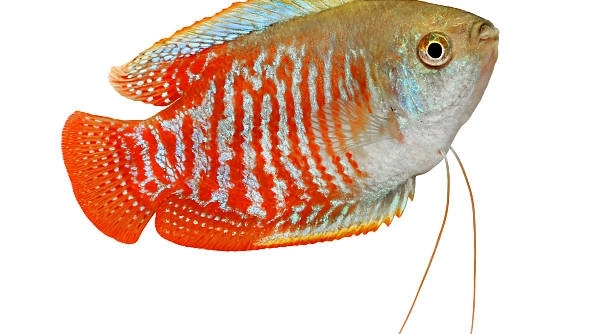
Creating a peaceful environment for your gourami can make a big difference in their behavior and overall health. Simple changes in your aquarium setup can help reduce stress and promote a calm atmosphere for your fish.
Providing a peaceful gourami setup requires careful attention to tank size, proper filtration, suitable plant placement, and compatible tank mates. Consistent water parameters and structured hiding spaces contribute significantly to minimizing stress and encouraging natural, tranquil behaviors.
Maintaining these practices ensures your gouramis feel secure and thrive in their habitat, enhancing their wellbeing and your enjoyment of the aquarium.
Choosing the Right Tank Size
Gouramis need space to swim freely and establish territories. A small tank can create stress, leading to aggression or health issues. For a single gourami, a tank of at least 20 gallons is recommended. For multiple gouramis, increasing the tank size proportionally helps prevent conflicts. Proper filtration is also crucial. It maintains water quality and ensures a steady flow without being too strong, which can disturb the fish. Including plants and decorations allows gouramis to hide or rest, creating a more natural and comfortable environment. Careful planning of the tank layout reduces stress and supports healthy behavior. Regular water changes and monitoring of water parameters such as pH, ammonia, and nitrate levels further contribute to a stable, peaceful habitat. Paying attention to both space and water quality is essential for creating a calm and thriving setup. A well-sized, thoughtfully arranged tank encourages your gouramis to display natural behaviors while minimizing aggression.
Proper tank size prevents stress and aggression, allowing gouramis to swim and interact comfortably without conflicts.
Maintaining a peaceful environment also involves balancing hiding spaces with open swimming areas. Dense plants along the edges provide shelter, while open water in the center allows for movement and social interaction. Avoid overcrowding decorations, as too many obstacles can limit swimming and increase stress. Regular observation helps identify territorial behavior or signs of discomfort. Adjusting tank features, such as rearranging plants or adding floating cover, can reduce tension. Gouramis appreciate stability, so avoid sudden changes in layout or water conditions. Creating zones within the tank gives each fish its own space, which reduces competition. Incorporating live plants not only improves aesthetics but also supports water quality by absorbing nitrates and producing oxygen. Lighting should mimic natural cycles, with periods of dim light to encourage resting. Overall, a spacious, well-structured tank forms the foundation for a calm and healthy gourami community.
Selecting Compatible Tank Mates
Peaceful gourami behavior depends heavily on who they share their tank with. Aggressive or fin-nipping species can cause stress and disrupt the harmony of the aquarium.
When choosing tank mates, select small, calm fish that occupy different levels of the tank. Avoid overly active or territorial species.
Compatible tank mates like tetras, rasboras, and peaceful bottom dwellers coexist well without provoking gouramis. Introducing fish gradually and monitoring interactions ensures minimal stress. Providing multiple hiding spots prevents confrontations, especially in community tanks. Understanding the natural temperament of each species helps maintain a balanced ecosystem, promoting health and peaceful interactions.
Introducing compatible species requires careful observation. Start with one or two new fish, watching for signs of aggression or stress in gouramis. Avoid adding too many at once, which can overwhelm the tank and create disputes. Different species have varying swimming patterns and space needs; placing faster swimmers in the upper and middle areas while slower fish occupy the bottom helps prevent competition. Regularly inspecting water parameters and maintaining cleanliness ensures all species thrive together. Creating distinct zones using plants and decorations allows each species to claim personal space. This reduces conflicts and supports natural behaviors. Over time, a balanced community develops, where gouramis interact peacefully with other tank mates, creating a stable and calm environment that benefits all inhabitants.
Maintaining Stable Water Conditions
Stable water parameters reduce stress and prevent health issues in gouramis. Keep temperature, pH, and hardness within their preferred range. Frequent testing and gradual adjustments are key to a calm environment.
Regular water changes, ideally 20-25% weekly, help remove toxins and maintain clarity. Using a reliable test kit ensures ammonia, nitrite, and nitrate levels remain safe. Sudden changes in water chemistry can shock gouramis, leading to erratic behavior or illness. Filtration should provide gentle circulation without creating strong currents, as gouramis prefer calmer waters. Adding beneficial bacteria during water changes supports the biological balance, making the tank more resilient. Monitoring water consistently creates a predictable, stress-free environment, encouraging peaceful activity and natural behaviors.
Filtration and aeration must be balanced carefully. Strong currents can tire gouramis and disrupt their swimming patterns. Positioning equipment to avoid direct flow in main swimming areas helps maintain calm. Temperature should be kept steady, ideally between 75-82°F, to mimic tropical conditions. Use a heater with a thermostat to prevent fluctuations. Keeping lights on a regular schedule helps regulate day-night cycles, contributing to stability. Regular maintenance of filters and checking water quality fosters a healthy habitat, reducing stress-related aggression and promoting longevity in your gouramis.
Providing Adequate Hiding Spots
Hiding spots help gouramis feel secure and reduce stress from territorial disputes or tank mates. Plants, caves, and decorations create a natural environment.
Dense plants along the sides and floating cover give gouramis retreat areas while leaving open spaces for swimming. Different types of hiding spots cater to all personality types, from shy to more outgoing fish.
Overcrowding a tank with decorations can be counterproductive. Aim for a balance between open areas and shelters. Natural materials like driftwood and rocks can provide visual barriers, breaking lines of sight and reducing aggression. Floating plants soften lighting and create shaded areas, making gouramis feel protected. Multiple hiding options prevent one fish from monopolizing territory and reduce conflicts. Observing fish behavior helps determine if additional cover is needed. Proper placement ensures accessibility while keeping swimming paths clear. Overall, thoughtful design of hiding spaces encourages tranquility, allowing gouramis to explore confidently while retreating when necessary.
Controlling Lighting
Proper lighting helps gouramis feel secure and reduces stress. Bright or constant light can cause agitation, while dim or natural lighting promotes calm.
Using a timer ensures consistent day-night cycles. Incorporating floating plants softens light and creates shaded areas where gouramis can rest.
Monitoring Feeding
Overfeeding can lead to poor water quality and aggressive behavior. Feed small amounts that gouramis can consume within a few minutes.
A balanced diet with high-quality flakes, pellets, and occasional live or frozen food supports health. Avoid sudden changes in diet, as this can stress gouramis.
Reducing Noise and Vibrations
Gouramis are sensitive to external disturbances. Limiting loud noises and vibrations near the tank helps maintain a peaceful environment.
Observing Behavior Regularly
Regular observation helps detect stress, illness, or territorial disputes early. Monitoring behavior allows timely adjustments to maintain calm and healthy interactions in the tank.
FAQ
How often should I change the water in a gourami tank?
Water changes are essential for keeping your gouramis healthy. A weekly change of 20-25% is ideal. This removes toxins and keeps the water clear. Make sure to treat tap water with a dechlorinator before adding it back to the tank. Gradual changes prevent stress and maintain stable water conditions.
What is the ideal temperature for gouramis?
Gouramis thrive in water between 75°F and 82°F. Using a heater with a thermostat helps maintain this range. Avoid sudden temperature changes, as they can cause stress and weaken their immune system. Maintaining consistent temperature encourages natural behavior and reduces aggression.
Can gouramis live with other fish?
Yes, but tank mates should be peaceful and occupy different levels of the tank. Small tetras, rasboras, and bottom dwellers usually coexist well. Avoid aggressive or fin-nipping species that can stress gouramis. Providing plants and hiding spots reduces conflicts and gives each fish its own space.
How do I prevent gouramis from fighting?
Fighting often occurs in overcrowded or poorly arranged tanks. Providing enough space, hiding spots, and structured territories helps. Avoid keeping multiple males together unless the tank is large enough to prevent competition. Observing behavior and separating aggressive individuals when needed ensures a calm environment.
What should I feed my gouramis?
A balanced diet includes high-quality flakes or pellets supplemented with live or frozen foods like brine shrimp or bloodworms. Feed small portions that they can finish in a few minutes. Overfeeding can pollute the water and cause health problems, so stick to a consistent schedule.
How many gouramis can I keep in one tank?
Tank size and gourami type determine the number you can keep. A 20-gallon tank is suitable for a single gourami, while larger tanks allow multiple fish. Always consider hiding spots and swimming space to reduce stress and territorial disputes. Gradual introductions help maintain harmony.
Do gouramis need plants in their tank?
Yes, plants provide hiding spots, reduce stress, and improve water quality. Floating plants offer shade, while dense side plants create retreats. Live plants also absorb nitrates and produce oxygen, promoting a healthy environment. Balanced plant placement ensures open swimming areas for active movement.
How can I tell if my gourami is stressed?
Signs of stress include hiding constantly, clamped fins, erratic swimming, or loss of appetite. Stress often results from poor water conditions, aggressive tank mates, or overcrowding. Addressing these issues promptly helps gouramis recover and maintain peaceful behavior.
What type of filtration is best for gouramis?
Gentle filtration works best. Strong currents can tire gouramis and disrupt their swimming. Sponge filters or adjustable flow filters provide adequate cleaning while maintaining calm water. Regular maintenance ensures water quality and keeps the tank peaceful.
How important is lighting for gouramis?
Lighting affects mood and activity. Bright, constant light can cause agitation, while natural or dim lighting promotes calm. Using timers maintains consistent day-night cycles. Floating plants help soften light and create shaded areas, giving gouramis a sense of security.
Can I keep gouramis with shrimp or snails?
Peaceful shrimp and snails are usually compatible. They occupy different levels of the tank and rarely compete with gouramis. Ensure hiding spots are available for both gouramis and invertebrates to reduce stress and encourage natural behaviors.
How do I acclimate new gouramis to my tank?
Float the bag in the tank for 15-20 minutes to equalize temperature. Gradually mix small amounts of tank water into the bag over 30-60 minutes. This reduces stress and prevents shock. Carefully release the fish without adding the bag water to the tank to maintain water quality.
How often should I check water parameters?
Check ammonia, nitrite, nitrate, and pH at least once a week. Monitoring ensures a stable environment and allows early detection of issues. Consistent observation supports peaceful behavior and long-term health of your gouramis.
Are male and female gouramis different in behavior?
Yes. Males are often more territorial and build bubble nests. Females are generally less aggressive. Providing adequate space and hiding spots minimizes conflicts and allows natural breeding behaviors without disrupting harmony in the tank.
What are common health problems in gouramis?
Gouramis can experience fin rot, ich, and stress-related illnesses. Poor water quality, overcrowding, and aggressive tank mates increase risks. Maintaining clean water, stable conditions, and a balanced diet prevents most health issues and encourages peaceful activity.
How can I reduce stress during tank maintenance?
Perform water changes and cleaning slowly. Avoid sudden movements or tapping on the glass. Moving decorations carefully and maintaining consistent water conditions helps gouramis feel secure. Keeping a predictable routine reduces anxiety and supports a calm environment.
Can gouramis recognize their owners?
Yes, gouramis can observe and recognize familiar people. They may approach the tank during feeding or swim near areas they associate with positive experiences. Interaction should be gentle to maintain trust and avoid stress.
What plants are best for hiding spots?
Java fern, hornwort, and floating plants like duckweed provide excellent cover. Dense plants along the sides and floating plants at the surface create shaded retreats. Variety in plant types ensures gouramis feel secure while leaving open swimming areas accessible.
How long do gouramis typically live?
With proper care, gouramis can live 4-6 years on average. Stable water conditions, a balanced diet, and a stress-free environment contribute to their longevity. Regular observation ensures any health or behavioral issues are addressed promptly, supporting a long and peaceful life.
Is it okay to have multiple gourami species together?
Yes, but research compatibility first. Some species are more aggressive than others. Providing sufficient space, hiding spots, and structured territories reduces conflict. Introducing them gradually and monitoring interactions ensures a harmonious community tank.
How do I prevent algae overgrowth in the tank?
Maintain balanced lighting, avoid overfeeding, and include live plants. Algae-eating species like snails or shrimp can help control growth. Regular water changes and cleaning decorations keep the tank healthy, preserving a peaceful environment for gouramis.
What is the best substrate for gouramis?
Fine gravel or sand works well. It allows plants to root and creates a natural environment. Avoid sharp substrates that can injure gouramis. The right substrate also helps maintain water chemistry and supports beneficial bacteria.
How often should I clean the filter?
Clean filters every 3-4 weeks or when flow decreases. Rinse media in tank water to preserve beneficial bacteria. Regular maintenance ensures effective filtration, stable water conditions, and a calm environment for gouramis.
Can gouramis tolerate low-light conditions?
Yes, gouramis can adapt to low light, especially with floating plants providing shade. Low light reduces stress and encourages resting periods. Balance is important, though, as some light is needed for plant growth and natural behavior.
How do I know if my gourami is happy?
A content gourami swims actively, explores its environment, and interacts calmly with tank mates. It displays vibrant colors, eats regularly, and uses hiding spots appropriately. Consistent behavior and minimal aggression indicate a peaceful, well-adjusted fish.
Should I separate aggressive gouramis?
Yes, separating overly aggressive individuals prevents injury and stress. Use a temporary tank or divider while monitoring behavior. Providing adequate space and hiding spots in the main tank often resolves conflicts over time.
What type of decorations help gouramis feel secure?
Caves, driftwood, rocks, and plants create natural hiding areas. Visual barriers break lines of sight, reducing territorial disputes. Proper placement ensures open swimming areas remain accessible while giving each gourami a safe retreat.
Is feeding live food necessary?
Live food is optional but beneficial. It provides variety, encourages natural hunting behavior, and supplements nutrition. Frozen or high-quality pellets and flakes are sufficient for a balanced diet. Rotate foods to maintain interest and health.
How do I prevent my gourami from jumping out?
Keep a secure lid on the tank. Gouramis are jumpers, especially during feeding or if stressed. Floating plants provide cover, reducing the likelihood of sudden leaps. Maintaining calm conditions also minimizes jumping behavior.
Can gouramis tolerate different water hardness levels?
Gouramis prefer soft to moderately hard water. Sudden changes in hardness can stress them. Maintain stable levels within their preferred range and monitor parameters regularly to ensure a peaceful environment.
How do I introduce a new gourami to the tank?
Float the bag for temperature acclimation, then gradually mix tank water into the bag. Release gently, avoiding adding bag water. Observe interactions for signs of stress and provide hiding spots to ease integration.
Do gouramis need a bubble nest to breed?
Male gouramis build bubble nests for breeding. It is natural behavior but not required for peaceful coexistence. Providing floating plants supports nest-building and creates shaded areas for security.
What is the best way to treat sick gouramis?
Isolate sick fish in a quarantine tank. Identify the illness and follow proper treatment guidelines, whether medication or water adjustments. Maintaining clean water and consistent conditions aids recovery and prevents disease spread.
How can I reduce aggression during breeding?
Provide separate breeding tanks or dense plants for hiding. Monitor males and females closely. Removing other tank mates temporarily reduces stress and territorial disputes, ensuring a safer environment for breeding gouramis.
Are gouramis sensitive to water movement?
Yes, strong currents can stress gouramis. Gentle filtration with moderate flow supports health while allowing natural swimming patterns. Positioning equipment carefully prevents unnecessary agitation and maintains calm behavior.
Can gouramis recognize their reflection?
Gouramis may react to reflections, interpreting them as rivals. Avoid placing the tank against mirrors or reflective surfaces, which can cause stress and aggressive behavior.
Do gouramis need supplemental oxygen?
Gouramis have a labyrinth organ, allowing them to breathe atmospheric air. Supplemental oxygen is usually unnecessary in well-maintained tanks. Ensuring proper surface access supports their natural breathing behavior.
How do I maintain a calm environment during water changes?
Add water slowly and match temperature and pH. Avoid sudden movements or loud noises. Gradual changes maintain stability, reduce stress, and help gouramis stay peaceful.
What signs indicate water quality problems?
Cloudy water, unusual odors, or sudden fish behavior changes indicate issues. Test ammonia, nitrite, nitrate, and pH regularly. Prompt action prevents health problems and maintains a calm environment.
Is it okay to keep gouramis with bettas?
Some gourami species can coexist with bettas, but both are territorial. Careful observation and ample space are required. Provide hiding spots to prevent aggression and monitor interactions closely.
How do I ensure long-term peace in a gourami tank?
Maintain stable water parameters, provide hiding spots, select compatible tank mates, and monitor behavior. Regular observation and gradual adjustments keep the tank harmonious and support healthy, peaceful gouramis.
Can gouramis tolerate slightly cooler water?
Short-term exposure to slightly cooler water is usually tolerated, but long-term deviations can stress them. Maintaining consistent tropical temperatures supports health and reduces aggression.
How do I prevent fin damage in gouramis?
Avoid sharp decorations and aggressive tank mates. Provide ample space and monitor interactions. Healthy water and a balanced diet promote strong, undamaged fins.
Is it necessary to have a quarantine tank?
Yes, quarantining new fish prevents disease introduction and reduces stress. It allows observation for health issues before adding them to the main tank, supporting a peaceful, healthy environment.
How often should I trim plants in the tank?
Trim plants as needed to prevent overgrowth. Maintaining open swimming areas while keeping hiding spots ensures gouramis have space to explore and retreat without conflict.
Do gouramis need a varied diet?
Yes, mixing flakes, pellets, and occasional live or frozen foods provides balanced nutrition. Variety supports health, coloration, and natural behaviors, keeping gouramis active and calm.
What is the best way to acclimate a gourami fry?
Float the container to equalize temperature, gradually mix tank water, and release carefully. Provide dense plants and low-flow areas for safety. Monitoring fry behavior ensures a peaceful start in the tank.
How can I tell if a gourami is breeding-ready?
Males display brighter colors and build bubble nests. Females become plumper. Providing calm, shaded areas supports breeding behavior without disturbing tank harmony.
Are gouramis compatible with small schooling fish?
Yes, small schooling fish like tetras or rasboras typically coexist peacefully. Their different swimming patterns reduce territorial disputes and promote a calm, balanced community.
Can gouramis tolerate fluctuating light cycles?
Sudden or irregular lighting can stress gouramis. Consistent day-night cycles, ideally 10-12 hours of light, maintain natural behavior and a peaceful environment.
Do gouramis need a strong current to swim?
No, gouramis prefer calm waters. Gentle filtration is sufficient, and strong currents can cause fatigue and stress. Open areas allow natural swimming without agitation.
How do I prevent algae growth without harming gouramis?
Control lighting, avoid overfeeding, and include algae-eating species. Regular water changes and plant care help maintain balance, keeping the tank clean and peaceful.
Can gouramis tolerate tap water directly?
No, treat tap water with a dechlorinator before adding it to the tank. Sudden chemical exposure can stress gouramis and affect water stability.
How do I manage aggressive males in a community tank?
Separate males if aggression persists. Provide hiding spots and dense plants. Observing interactions and adjusting tank layout minimizes conflicts and maintains a calm environment.
What is the best way to introduce new plants?
Rinse plants thoroughly, remove pests, and plant carefully to maintain open swimming areas. This supports a peaceful environment while enhancing tank aesthetics and hiding spots.
Can gouramis live with catfish?
Yes, peaceful bottom-dwelling catfish like Corydoras coexist well. Their different tank levels and calm behavior reduce conflict and support a harmonious aquarium.
Do gouramis need supplemental feeding for plants in the tank?
No, plants do not require feeding specifically for gouramis. Healthy plant growth benefits water quality and provides natural hiding spots, supporting calm behavior.
How do I handle sudden illness outbreaks?
Isolate sick fish, test water, and follow treatment guidelines. Maintaining clean water and monitoring all fish reduces stress and prevents further health problems.
Are gouramis sensitive to sudden movements outside the tank?
Yes, sudden tapping, vibrations, or nearby activity can stress gouramis. Maintaining a calm environment outside the tank supports peaceful behavior inside.
How do I encourage natural behavior in gouramis?
Provide plants, hiding spots, compatible tank mates, and calm water conditions. Observing and adjusting tank conditions ensures gouramis can explore, rest, and interact naturally.
What is the ideal pH for gouramis?
A pH range of 6.5-7.5 suits most gouramis. Stable pH prevents stress and supports overall health. Monitor regularly and make gradual adjustments when necessary.
Can gouramis adapt to new tanks quickly?
Acclimation reduces stress and encourages adaptation. Gradual water mixing, careful release, and adequate hiding spots help gouramis adjust safely to a new environment.
How do I prevent territorial disputes?
Provide enough space, hiding spots, and structured territories. Avoid overcrowding and observe behavior, separating aggressive fish when necessary to maintain peace.
Are gouramis affected by water hardness?
Moderate hardness is suitable. Sudden changes can stress fish. Maintaining stable water conditions ensures healthy, calm behavior.
Do gouramis need frequent observation?
Yes, daily or frequent checks help detect stress, illness, or aggression early. Timely adjustments maintain a peaceful and healthy aquarium.
How can I reduce stress during feeding?
Feed small portions in multiple locations. Avoid overcrowding or rushing fish. Balanced feeding routines support calm behavior and water quality.
What is the best way to prevent disease?
Maintain stable water, provide a balanced diet, quarantine new fish, and observe regularly. Clean tanks and proper care reduce health issues and stress.
Can gouramis tolerate other labyrinth fish?
Yes, species like bettas or paradise fish may coexist with careful observation and ample space. Ensure hiding spots and manage aggression to maintain harmony.
How do I handle overpopulation?
Separate excess fish or upgrade tank size. Overcrowding causes stress, aggression, and poor water quality, disrupting peace and health.
Are gouramis sensitive to sudden chemical changes?
Yes, abrupt changes in water chemistry cause stress. Gradual adjustments and consistent monitoring help maintain a calm, healthy environment.
Do gouramis need soft or hard substrate?
Soft sand or fine gravel is ideal. Avoid sharp or rough substrates that could injure gouramis and reduce hiding opportunities.
How can I prevent boredom in gouramis?
Provide plants, decorations, and varied feeding. Changing hiding spots occasionally keeps their environment stimulating while maintaining calm behavior.
Is it necessary to feed at the same time daily?
Consistent feeding schedules reduce stress and maintain predictable behavior. Gouramis adapt well to routines, promoting calm interactions.
Can gouramis thrive in a planted tank only?
Yes, plants provide shelter, oxygen, and improved water quality. Ensure enough open swimming areas remain to prevent territorial disputes.
How do I maintain long-term water stability?
Regular water changes, gentle filtration, and monitoring parameters support consistent conditions. Stability reduces stress and ensures peaceful behavior.
Do gouramis need air access?
Yes, their labyrinth organ requires access to surface air. Maintain unobstructed surface areas for safe breathing and calm activity.
Can gouramis coexist with goldfish?
No, goldfish are colder-water fish and may stress gouramis. Differences in temperature and behavior make them incompatible.
What is the best way to introduce floating plants?
Rinse thoroughly and place gently at the surface. Floating plants create shaded areas, reducing stress and supporting calm behavior.
Do gouramis prefer slow or fast water movement?
Slow to moderate water flow is ideal. Strong currents cause fatigue and stress, while gentle flow supports natural swimming patterns.
How do I prevent overcrowding in the tank?
Monitor tank size and fish numbers. Avoid adding too many gouramis or incompatible species. Adequate space and hiding spots maintain peace.
Can gouramis tolerate slightly acidic water?
Yes, a mildly acidic range around 6.5 is acceptable. Stability is more important than occasional small fluctuations to prevent stress.
How do I manage aggression in small tanks?
Provide hiding spots, reduce the number of territorial males, and avoid aggressive species. Observation and separation when necessary maintain a calm environment.
Are gouramis affected by water flow direction?
Yes, they prefer calm zones away from strong currents. Position filters and decorations to create areas of gentle movement for comfort and natural swimming.
Can gouramis adapt to different tank decorations?
Yes, gradual changes help them adjust. Providing consistent hiding
Creating a peaceful environment for your gouramis requires attention to several key aspects of tank care. Ensuring the right tank size, water parameters, and compatible tank mates are essential first steps. Gouramis thrive in spacious tanks where they have room to swim and establish territories. Overcrowding often leads to stress and aggression, so balancing the number of fish with available space is crucial. Consistent water temperature, pH, and hardness contribute to a stable environment, while proper filtration and gentle water flow support their natural swimming patterns. Including live plants, decorations, and hiding spots provides shelter and reduces territorial conflicts. Floating plants and shaded areas help create calm zones, giving gouramis a sense of security. Paying attention to these factors helps reduce stress, encourages natural behavior, and ensures your fish feel comfortable in their home.
Feeding routines and diet also play an important role in maintaining a calm gourami tank. A balanced diet that includes high-quality flakes or pellets, along with occasional live or frozen foods, supports health and coloration. Overfeeding can negatively impact water quality, which in turn can stress the fish and create aggression. It is better to feed small portions several times a day or just enough for the fish to consume in a few minutes. Providing a consistent feeding schedule also helps gouramis feel secure, as predictable routines reduce anxiety and encourage peaceful behavior. Additionally, observing your fish during feeding can give insight into their health and social dynamics. Identifying signs of stress, illness, or aggression early allows for timely adjustments to water quality, tank layout, or population, which keeps the environment balanced.
Regular observation and maintenance are essential for long-term success with gouramis. Monitoring behavior, water quality, and tank conditions helps prevent issues before they escalate. Small adjustments, like rearranging plants or adding additional hiding spots, can significantly reduce stress and aggression. Gentle handling during water changes and careful introduction of new tank mates also supports a calm environment. Keeping a clean, well-maintained tank with consistent lighting and temperature encourages gouramis to display natural behaviors without unnecessary stress. Overall, providing adequate space, stable water conditions, suitable tank mates, and proper diet ensures your gouramis can thrive in a peaceful and healthy setup. These practices not only improve their wellbeing but also make caring for them a more enjoyable and rewarding experience, creating a harmonious aquarium for both fish and keeper.

Hello,
If you enjoy the content that we create, please consider saying a "Thank You!" by leaving a tip.
Every little bit helps us continue crafting quality advice that supports the health, happiness, and well-being of pets around the world, for pets of all shapes, sizes, and species.
We really appreciate the kindness and support that you show us!