
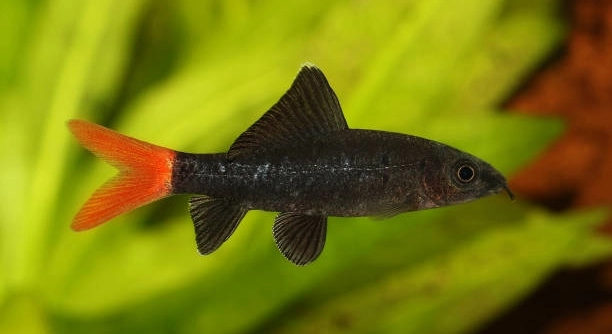
Creating a calm and healthy space for your Rainbow Shark can improve its well-being and longevity. This fish thrives best when its environment is stable, clean, and suited to its natural behaviors. Proper care ensures your pet stays vibrant and active.
Establishing a peaceful environment for a Rainbow Shark involves managing tank size, water quality, hiding places, and compatible tank mates. These factors reduce stress and promote natural behavior, essential for the fish’s health and peaceful coexistence.
Maintaining the right balance in your tank helps your Rainbow Shark feel secure and content, making it easier to enjoy watching this beautiful fish thrive.
Choose the Right Tank Size
A suitable tank size is vital for a Rainbow Shark’s peace and health. These fish are active swimmers that need space to move freely. A tank that is too small will increase aggression and stress, which can cause illness. Experts recommend a minimum of 30 gallons for one Rainbow Shark. If you plan to keep more than one or include other fish, a larger tank is necessary to avoid overcrowding. Overcrowded tanks also reduce oxygen levels and make it harder to maintain water quality. Providing enough room helps Rainbow Sharks establish territories and reduces conflicts. It is important to measure your tank accurately and consider the adult size of your fish before purchasing. A well-sized tank contributes to a stable environment and better overall behavior. Regularly checking tank dimensions and upgrading when needed will ensure your Rainbow Shark remains comfortable and healthy.
A larger tank supports better water quality and allows for natural swimming habits, promoting calm behavior in your Rainbow Shark.
Setting up the right size tank is the foundation of a peaceful environment. It prevents stress and aggression, which are common problems in small, crowded tanks. With adequate space, your Rainbow Shark will have room to explore and display natural behaviors, leading to a happier fish. When buying a tank, always plan for the future size of your fish and other inhabitants. This prevents the need for frequent moves or tank upgrades. In addition, a bigger tank provides a buffer against changes in water parameters, making it easier to keep the environment stable. Stability is key to reducing stress and keeping your Rainbow Shark peaceful. A well-sized tank combined with other care measures ensures a calm, healthy habitat for your fish.
Maintain Optimal Water Conditions
Maintaining clean, stable water conditions is essential for your Rainbow Shark’s well-being. Consistent water quality reduces stress and prevents disease.
Water quality directly impacts your Rainbow Shark’s health. These fish prefer slightly acidic to neutral pH levels, between 6.5 and 7.5. Regular testing of ammonia, nitrites, and nitrates is necessary to avoid harmful spikes. Ammonia and nitrites should be at zero, while nitrates should be kept low through frequent water changes. Temperature stability is also important; Rainbow Sharks thrive in temperatures between 72 and 79°F. Sudden changes can cause stress or illness. Using a reliable filtration system helps remove waste and toxins from the tank. Cleaning the filter regularly ensures it works effectively. Partial water changes of 20 to 30 percent weekly maintain good water quality. Avoid overfeeding, as leftover food can pollute the water. Following these steps creates a stable environment that supports your Rainbow Shark’s health and reduces aggressive or erratic behavior.
Provide Hiding Places
Hiding spots help Rainbow Sharks feel secure and reduce stress. These fish are naturally shy and appreciate places to retreat.
Creating hiding places can be as simple as adding rocks, caves, or driftwood to the tank. Plants, both live and artificial, also offer cover and comfort. These elements mimic their natural habitat and provide safe zones where they can escape perceived threats or rest quietly. Without adequate hiding places, Rainbow Sharks may become aggressive or overly stressed, which affects their health. Ensure the decorations are smooth and free of sharp edges to prevent injuries. Position hiding spots around the tank to create several safe areas, encouraging natural behavior. Changing the arrangement occasionally can keep the environment interesting for your fish. Well-placed hiding spots improve their sense of safety and contribute to a peaceful tank atmosphere.
These shelters are important for minimizing conflicts between tank mates. They allow shy fish to avoid more aggressive species while reducing overall tension in the aquarium.
Choose Compatible Tank Mates
Rainbow Sharks can be territorial, so selecting compatible tank mates is crucial. Avoid aggressive or slow-moving fish that might provoke or be bullied.
Ideal tank mates are species that occupy different parts of the tank, such as schooling fish that swim near the surface, while Rainbow Sharks stay near the bottom. Examples include danios, barbs, and certain tetras. Avoid other bottom dwellers that may compete for territory or food. Always observe new fish carefully after introduction to prevent aggression. Providing ample space and hiding spots also helps reduce stress among all inhabitants. Properly chosen companions allow your Rainbow Shark to coexist peacefully, maintaining a balanced and calm environment. Compatibility helps prevent injuries and stress, which can affect fish health and tank stability.
Control Lighting Levels
Lighting affects how comfortable your Rainbow Shark feels. Too much light can cause stress and make the fish hide or act nervously.
Use moderate lighting and avoid direct sunlight on the tank. Timers help maintain a consistent day-night cycle, which supports natural behavior. Dim lighting or shaded areas provide a calming environment.
Keep the Tank Clean
Regular tank cleaning removes waste and prevents harmful bacteria buildup. A clean environment reduces disease risk and keeps your Rainbow Shark healthy.
Perform partial water changes weekly and vacuum the substrate to remove debris. Clean decorations and filter media according to manufacturer guidelines, ensuring optimal tank conditions for your fish.
Feed a Balanced Diet
A balanced diet supports your Rainbow Shark’s health and energy. They need a mix of protein and plant-based foods.
Feed high-quality pellets designed for bottom feeders, supplemented with occasional live or frozen foods like bloodworms or brine shrimp. Include vegetable matter such as blanched spinach or zucchini. Avoid overfeeding to prevent water pollution.
Monitor Behavior
Watching your Rainbow Shark’s behavior helps catch early signs of stress or illness. Sudden changes often indicate problems in the environment or health.
Regular observation allows prompt action to correct water conditions, diet, or tank setup, ensuring your fish stays peaceful and well.
FAQ
How often should I clean my Rainbow Shark’s tank?
Cleaning the tank weekly is ideal for maintaining a healthy environment. Perform a 20-30% water change and vacuum the substrate to remove leftover food and waste. Also, clean the filter media every few weeks to ensure it functions properly without removing beneficial bacteria. Regular cleaning prevents toxin buildup and keeps your Rainbow Shark comfortable.
What tank size is best for a Rainbow Shark?
A minimum tank size of 30 gallons is recommended for one Rainbow Shark. These fish need space to swim actively and establish territory. Larger tanks are necessary if you keep multiple Rainbow Sharks or other tank mates to avoid overcrowding and aggression. Proper tank size helps reduce stress and supports natural behavior.
Can Rainbow Sharks live with other fish?
Yes, but tank mates must be carefully selected. Choose fast-swimming fish that occupy different areas of the tank, such as tetras or barbs. Avoid other bottom dwellers or aggressive species, as Rainbow Sharks can be territorial. Providing hiding spots and enough space reduces conflicts.
What water parameters do Rainbow Sharks need?
Rainbow Sharks prefer water with a pH between 6.5 and 7.5 and temperatures from 72°F to 79°F. Ammonia and nitrites should be at zero, and nitrates kept low through regular water changes. Stable water conditions are important to prevent stress and disease.
How much should I feed my Rainbow Shark?
Feed your Rainbow Shark small amounts once or twice daily. Use high-quality sinking pellets formulated for bottom feeders. Supplement with live or frozen foods like bloodworms occasionally. Overfeeding leads to poor water quality and health problems, so remove uneaten food after a few minutes.
Why does my Rainbow Shark hide all the time?
Hiding is normal behavior if the environment feels safe and comfortable. However, constant hiding could indicate stress from aggressive tank mates, poor water quality, or insufficient hiding places. Check water parameters, tank mates, and add decorations to provide more shelter.
How can I reduce aggression in my tank?
Provide ample space, hiding spots, and compatible tank mates. Avoid overcrowding and aggressive species. Stable water conditions also help. Rearranging tank decorations occasionally can disrupt territorial behavior and reduce fights.
What decorations are safe for Rainbow Sharks?
Use smooth rocks, driftwood, and sturdy plants. Avoid sharp or rough surfaces that can injure your fish. Both live and artificial plants work well as hiding spots. Ensure decorations do not overcrowd the tank but create enough cover.
Can Rainbow Sharks live in planted tanks?
Yes, planted tanks offer natural hiding places and improve water quality. Choose hardy plants that tolerate moderate light and the fish’s activity. Plants can help reduce stress and make the environment more natural for your Rainbow Shark.
How long do Rainbow Sharks live?
With proper care, Rainbow Sharks typically live 5 to 8 years. Maintaining good water quality, diet, and a peaceful environment extends their lifespan. Regular monitoring of health and behavior helps catch problems early.
What signs indicate my Rainbow Shark is stressed?
Signs include erratic swimming, loss of appetite, hiding excessively, or showing faded colors. Stress can result from poor water quality, aggressive tank mates, or improper tank setup. Addressing these factors quickly improves your fish’s condition.
Is it necessary to use a filter in the tank?
Yes, filtration is essential to remove waste and toxins. A good filter maintains water clarity and quality, reducing the risk of disease. Regular filter maintenance keeps it effective without harming beneficial bacteria.
Can Rainbow Sharks be kept in community tanks?
They can, if tank mates are chosen carefully. Community tanks with peaceful, active fish that avoid bottom areas work best. Provide enough space and hiding places to reduce territorial disputes.
What is the best way to acclimate a new Rainbow Shark?
Float the sealed bag in the tank for 15-20 minutes to equalize temperature. Gradually add small amounts of tank water to the bag over 30-45 minutes before releasing the fish. This reduces stress and helps your Rainbow Shark adjust smoothly.
Do Rainbow Sharks require special lighting?
No special lighting is required, but moderate light that mimics natural day-night cycles is best. Too bright light may cause stress, so providing shaded areas or dimmer lighting helps the fish feel secure. Use a timer for consistent lighting periods.
Creating a peaceful environment for your Rainbow Shark is essential to keeping it healthy and happy. These fish need more than just clean water and food; they require space, good water quality, and places to feel safe. By paying attention to tank size, water conditions, hiding spots, and compatible tank mates, you set the foundation for a calm and stable home. When the environment supports their natural behavior, Rainbow Sharks show less stress and more vibrant colors. This makes watching them much more enjoyable.
Regular maintenance plays a big role in sustaining this peaceful environment. Cleaning the tank, monitoring water quality, and feeding a balanced diet all contribute to your fish’s well-being. Overfeeding or neglecting water changes can quickly lead to problems like poor water quality or aggression among fish. Keeping everything balanced prevents these issues and promotes a stable habitat. It is important to stay consistent with care routines, even when your fish seem healthy. Small changes over time can affect the tank’s balance, so regular checks are necessary to avoid surprises.
Lastly, observing your Rainbow Shark’s behavior is a helpful way to understand its needs. Changes in activity, color, or appetite often signal that something in the environment needs adjustment. Addressing these signals early can prevent stress and illness. A peaceful environment is created through a combination of proper tank setup, maintenance, and attention to your fish’s well-being. By following these practices, you ensure your Rainbow Shark thrives and remains a beautiful, calm presence in your home aquarium.

Hello,
If you enjoy the content that we create, please consider saying a "Thank You!" by leaving a tip.
Every little bit helps us continue crafting quality advice that supports the health, happiness, and well-being of pets around the world, for pets of all shapes, sizes, and species.
We really appreciate the kindness and support that you show us!