
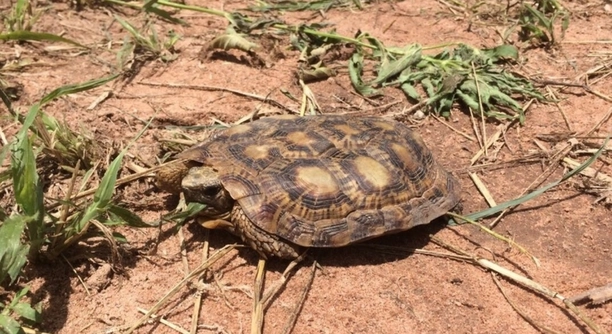
Creating a natural environment for your Pancake Tortoise is essential for its health and happiness. A well-set habitat mimics their natural surroundings, which provides comfort and reduces stress for these unique reptiles.
To create a suitable environment for your Pancake Tortoise, focus on providing a proper temperature gradient, humidity, and safe hiding spaces. Ensure there is enough space for the tortoise to roam and natural materials like rocks and plants to mimic its natural habitat.
By making small adjustments to your tortoise’s environment, you can ensure its long-term well-being and happiness. Keep reading for helpful tips to create the perfect setup for your Pancake Tortoise.
1. Provide a Proper Temperature Gradient
The temperature in your tortoise’s habitat plays a vital role in keeping it healthy. Pancake Tortoises thrive in environments that mimic their natural temperature changes, which typically range from 80°F to 90°F during the day and 70°F to 75°F at night. To achieve this, set up a heat source on one side of the enclosure. This will allow the tortoise to move between cooler and warmer areas, adjusting as needed to regulate its body temperature. Avoid placing the heat source too close to your tortoise, as it may cause stress or burns. A thermometer is essential to monitor the temperature and ensure that the range is consistent throughout the day.
The temperature variation helps the tortoise digest its food properly and remain active. Without a proper heat source, your tortoise could become lethargic or experience digestive issues.
If you’re unsure about where to place the heat source, position it towards one end of the tank. This way, your tortoise has the option to move to the cooler side if it gets too warm. You can also use a ceramic heat emitter or a basking lamp to achieve the necessary heat. Just ensure the temperatures are not too extreme.
2. Humidity Is Key to Their Health
Humidity plays an important role in keeping your Pancake Tortoise hydrated and comfortable.
Maintain a humidity level of around 50-60% within the enclosure. This can be achieved through regular misting and ensuring the substrate retains moisture. You can use a hygrometer to keep track of the humidity level.
Proper humidity helps your Pancake Tortoise shed its skin properly and promotes good respiratory health. Too low humidity could lead to skin shedding problems, while high humidity could cause respiratory issues. Keep a balanced range, especially during the warmer months, to mimic its natural environment. Adding a water dish is a great way to help maintain humidity, and your tortoise will enjoy soaking from time to time.
The key is to observe your tortoise’s behavior. If it seems sluggish or avoids its water dish, the humidity may need adjusting. Adding plants or moss to the enclosure also helps keep humidity levels stable. Avoid placing the tank in direct sunlight, as this can cause the humidity to drop too quickly.
3. Create Hiding Spaces
Hiding spaces are essential for your Pancake Tortoise to feel safe and secure. They need these spots to retreat to when they feel threatened or stressed.
Use natural materials like rocks, logs, or small caves in their enclosure to create hiding spots. Make sure these spaces are easy for the tortoise to access, but also offer enough coverage to make them feel protected. It’s important not to overcrowd the enclosure; your tortoise needs room to roam and explore.
Add plenty of hiding places across different areas of the habitat to encourage natural behavior. If you’re using artificial shelters, ensure they’re safe and free from sharp edges or small gaps that could harm your tortoise. Providing these hiding spaces can help reduce stress and prevent your Pancake Tortoise from feeling exposed. You can even add a shallow hiding spot with soft bedding material like coconut coir to mimic the warm, dry spots they would seek out in the wild.
4. Use Natural Substrate
The right substrate is crucial for the health and comfort of your Pancake Tortoise.
A natural substrate like coconut coir, organic topsoil, or a mix of sand and soil is ideal. It helps with moisture retention and is gentle on their sensitive skin. Avoid using cedar or pine wood shavings, as these can cause respiratory issues for your tortoise. Make sure the substrate is deep enough for burrowing, as Pancake Tortoises tend to dig.
The substrate should be kept clean and dry, but it should also be slightly moist to maintain the proper humidity. If the bedding becomes too dry or dirty, change it frequently. You can also add a layer of moss to help retain moisture and create a more natural environment.
By choosing the right substrate, you allow your tortoise to express natural behaviors like digging and burrowing. It’s also important to spot-clean the substrate regularly to remove any waste and prevent bacterial growth.
5. Add Rocks and Climbing Structures
Rocks and climbing structures are important to replicate the tortoise’s natural environment. These features offer mental stimulation and exercise.
Add a variety of rocks and branches to the enclosure. Be sure they are secure, as they should not shift or fall, which can injure your tortoise. Your Pancake Tortoise will enjoy climbing and exploring these natural surfaces.
Ensure that rocks and climbing structures are placed thoughtfully to create pathways and safe spots for rest. It’s a good idea to incorporate different textures and sizes to keep the environment interesting and challenging. Your tortoise will enjoy roaming these areas as they mimic the rocky terrains they naturally live in.
6. Offer Proper Lighting
Lighting is essential to your Pancake Tortoise’s health, especially UVB lighting.
Ensure your tortoise has access to proper UVB lighting, as it helps with calcium absorption and overall well-being. Natural sunlight is great, but UVB bulbs can be used to maintain consistency indoors. Set the light to provide 12-14 hours of daylight.
7. Keep a Clean and Safe Environment
Keeping the environment clean is vital to prevent illness and ensure your tortoise’s comfort. Regularly clean the enclosure and remove waste.
FAQ
How often should I clean my Pancake Tortoise’s habitat?
You should clean your tortoise’s habitat at least once a week. This includes spot-cleaning daily by removing any waste or uneaten food to prevent bacteria buildup. Every few weeks, do a deep clean by completely replacing the substrate, cleaning rocks, and disinfecting the entire enclosure with a reptile-safe cleaner. Regular cleaning helps maintain the health of your tortoise and keeps the habitat hygienic.
What kind of food should I feed my Pancake Tortoise?
Pancake Tortoises are herbivores, so their diet should consist mainly of leafy greens, such as collard greens, dandelion greens, and kale. You can also offer other vegetables like squash and bell peppers. Occasionally, add fruits like papaya or berries as treats. Make sure the food is washed thoroughly to avoid pesticides. Always provide fresh food, and remove uneaten portions within 24 hours to prevent spoilage.
Can I use a glass aquarium for my Pancake Tortoise?
A glass aquarium can be used for your Pancake Tortoise, but it is important to ensure it is large enough for the tortoise to move around freely. It should also have good ventilation. For a more natural feel, you can place a screen top to allow airflow and prevent humidity buildup. However, make sure the enclosure is spacious and that the tortoise has enough room to explore.
Do Pancake Tortoises need a lot of space?
Yes, Pancake Tortoises need space to roam. A minimum enclosure size of 40 gallons is recommended for one tortoise, but a larger enclosure is always better. The more space they have to roam and explore, the happier they will be. The enclosure should also include areas for hiding, basking, and climbing to mimic their natural habitat.
How do I maintain the right humidity for my Pancake Tortoise?
To maintain the right humidity, use a hygrometer to measure the levels regularly. Aim for 50-60% humidity in the enclosure. You can increase humidity by misting the enclosure with water a few times a week or adding a water dish. Keep the substrate slightly moist, but not wet. Additionally, adding plants or moss helps with humidity retention. Avoid placing the enclosure in direct sunlight, as it can dry out the humidity too quickly.
What temperature should I keep my Pancake Tortoise’s habitat?
The temperature in the enclosure should range from 80°F to 90°F during the day, with a cooler area around 70°F to 75°F at night. You can achieve this temperature gradient by placing a heat lamp on one side of the enclosure. This allows your tortoise to move between warmer and cooler areas as needed. Use a thermometer to monitor the temperatures and ensure they stay within the recommended range.
Do I need to provide a water dish for my Pancake Tortoise?
Yes, it is important to provide a shallow water dish for your Pancake Tortoise. This allows them to drink and soak when needed. Be sure the water dish is not too deep, as your tortoise may struggle to climb in and out. Change the water daily to ensure it stays clean and fresh.
Can I house multiple Pancake Tortoises together?
Pancake Tortoises can be housed together, but you should be cautious. These tortoises are generally solitary creatures and may become territorial, especially males. If you decide to house more than one tortoise, make sure the enclosure is large enough for each tortoise to have its own space. Monitor them closely for signs of aggression, such as chasing or biting. It’s best to house one male with several females, or only females together.
How do I know if my Pancake Tortoise is healthy?
A healthy Pancake Tortoise should have a firm shell, clear eyes, and a clean nose. It should be active, eating regularly, and drinking water. Any signs of lethargy, poor appetite, wheezing, or abnormal shell appearance could indicate health problems. If you notice these symptoms, it’s best to consult a reptile vet to ensure your tortoise is in good health.
What should I do if my Pancake Tortoise is not eating?
If your Pancake Tortoise is not eating, first check the temperature and humidity levels in its habitat. Stress from incorrect environmental conditions can cause a loss of appetite. Make sure the enclosure is large enough and that hiding spots are provided. Offer fresh, varied food, and try removing uneaten portions after 24 hours to avoid spoilage. If the tortoise still refuses food, or if other symptoms arise, it’s best to consult a veterinarian.
How long do Pancake Tortoises live?
Pancake Tortoises typically live for 30 to 50 years, but some have been known to live even longer in captivity when provided with proper care. Ensuring their environment is kept consistent, clean, and healthy will help them live a long, happy life. Make sure to monitor their diet, humidity, and temperature closely to prevent any health issues over time.
Final Thoughts
Creating a natural environment for your Pancake Tortoise is crucial for its health and well-being. By mimicking their natural habitat, you can provide a comfortable space where your tortoise feels safe and can thrive. A proper temperature gradient, the right humidity levels, and plenty of hiding spots are all key to making sure your tortoise remains happy. The more you understand its needs and natural behaviors, the better you can meet those needs in captivity.
Remember that every Pancake Tortoise is unique, and observing its behavior is important. If your tortoise is acting differently, it could be a sign that something in its environment needs adjusting. Keep an eye on its eating habits, activity level, and overall health. Regularly clean its enclosure and provide fresh food and water to ensure it stays healthy. Small changes, like adding a new climbing structure or adjusting the temperature slightly, can make a big difference in how comfortable and active your tortoise feels.
The care you put into setting up your Pancake Tortoise’s environment will directly affect its quality of life. These creatures may seem low-maintenance, but they do require attention to detail, especially when it comes to their habitat. By staying consistent with the care you provide and making sure your tortoise’s environment reflects its natural surroundings, you’re giving it the best chance for a long, healthy life. So, pay attention to the small things, and your Pancake Tortoise will thank you with a long life full of activity and health.

Hello,
If you enjoy the content that we create, please consider saying a "Thank You!" by leaving a tip.
Every little bit helps us continue crafting quality advice that supports the health, happiness, and well-being of pets around the world, for pets of all shapes, sizes, and species.
We really appreciate the kindness and support that you show us!