
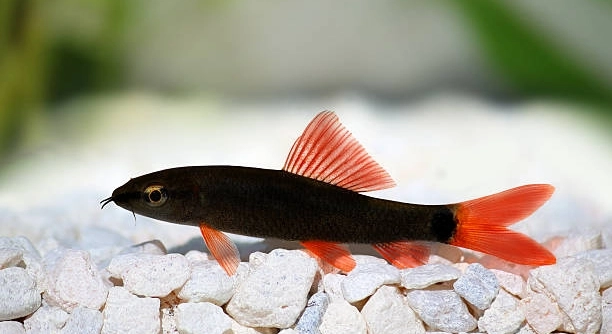
Rainbow sharks are popular aquarium fish known for their bright colors and active behavior. They thrive best in environments that mimic their natural habitat. Creating a natural setting helps keep them healthy and reduces stress.
To create a more natural habitat for your rainbow shark, focus on providing plenty of hiding spaces, maintaining clean water with proper filtration, using a soft substrate, adding live plants, ensuring moderate lighting, and maintaining stable water parameters.
These simple steps improve the overall wellbeing of your rainbow shark and make your aquarium a balanced and enjoyable space for both fish and owner.
Provide Plenty of Hiding Spaces
Rainbow sharks feel safer when they have places to hide. In nature, they often seek shelter among rocks, plants, or crevices. You can recreate this by adding caves, driftwood, or rock formations to your tank. These hiding spots reduce stress and give your fish a sense of security. When the tank feels safe, rainbow sharks are more likely to show their natural behavior and vibrant colors. Avoid overcrowding the tank with decorations; instead, create a balance between open swimming space and shelter. Live plants can also act as hiding places and improve water quality at the same time. Make sure the hiding spots are easy for your fish to access but not so tight that they get stuck. Regularly check and rearrange decorations to keep the environment stimulating and comfortable.
Hiding spaces are essential for rainbow sharks to feel relaxed and confident in their habitat.
Proper shelter helps your rainbow shark reduce stress and encourages healthier, more active behavior in the aquarium.
Maintain Clean Water and Proper Filtration
Good water quality is crucial for keeping rainbow sharks healthy. Dirty water can lead to illness and stress, so a reliable filtration system is necessary. Choose a filter that handles the tank size and provides mechanical, chemical, and biological filtration. Regular water changes, about 20% every two weeks, help keep nitrate levels low. Test water parameters like pH, ammonia, nitrites, and nitrates frequently to ensure they stay within safe ranges. Using a water conditioner removes harmful chemicals like chlorine and chloramine from tap water before adding it to the tank. Avoid overfeeding because leftover food can pollute the water quickly. Keeping water clean not only benefits your fish but also makes tank maintenance easier and more pleasant for you.
Clean water supports your rainbow shark’s immune system and prevents diseases caused by poor water conditions.
Maintaining stable water parameters with efficient filtration and regular water changes is vital for a healthy aquarium.
Use a Soft Substrate
A soft substrate protects your rainbow shark’s delicate belly and fins. Sand or fine gravel works best, allowing them to swim comfortably near the bottom without injury. Sharp or rough substrates can cause scratches and infections.
Soft substrates also help mimic their natural riverbed habitat, promoting natural digging behavior. Avoid substrates that compact too tightly, as they can trap harmful gases or waste. Regular cleaning is important to keep the substrate free of debris and maintain good water quality. Using a substrate vacuum during water changes helps prevent buildup. Choosing the right substrate creates a safer and more comfortable environment that supports your fish’s natural habits and health.
Soft, natural substrate improves your aquarium’s look while protecting your rainbow shark from injury.
Add Live Plants
Live plants contribute to a natural habitat by providing shelter, improving water quality, and adding oxygen. They create shaded areas that help reduce stress and offer hiding places for rainbow sharks. Select plants that can tolerate moderate lighting and water conditions, such as Java fern, Anubias, or Amazon sword. Live plants absorb nitrates and other waste, supporting a healthier tank environment. Regular trimming keeps plants healthy and prevents overgrowth. Be careful when planting not to damage roots or disturb the substrate too much. Combining live plants with other natural elements builds a balanced, vibrant aquarium that encourages your rainbow shark’s wellbeing.
Ensure Moderate Lighting
Rainbow sharks do best with moderate lighting that mimics natural daylight. Too bright lighting can stress them and cause hiding behavior. Use adjustable aquarium lights to control brightness according to your tank’s needs.
Balanced lighting supports plant growth and keeps your fish comfortable. Avoid direct sunlight, which can lead to overheating and algae growth.
Maintain Stable Water Parameters
Consistent water temperature between 74°F and 80°F is ideal for rainbow sharks. Sudden changes can cause stress and illness. Keep pH levels around 6.5 to 7.5 and monitor ammonia, nitrite, and nitrate regularly. Use a reliable heater and thermometer to maintain stability. Stability in water conditions promotes a healthy immune system and natural behavior in rainbow sharks, making your aquarium a safe and thriving environment.
Avoid Overcrowding
Too many fish in one tank increases stress and pollution. Provide enough space for your rainbow shark to swim freely and establish territory.
FAQ
How often should I clean the tank for my rainbow shark?
Cleaning your tank regularly is important to keep your rainbow shark healthy. You should perform partial water changes of about 20% every one to two weeks. Use a gravel vacuum to remove debris from the substrate. Clean the filter monthly, but avoid washing it with tap water to preserve beneficial bacteria. Regular cleaning helps control nitrate levels and keeps the water clear, reducing stress on your fish.
Can rainbow sharks live with other fish?
Rainbow sharks can be territorial, especially in smaller tanks. They may show aggression toward fish with similar shapes or colors. It’s best to keep them with larger, peaceful species that occupy different parts of the tank, like tetras or gouramis. Avoid overcrowding to reduce stress and fighting. Providing plenty of hiding spaces and territory boundaries helps improve compatibility.
What do rainbow sharks eat?
Rainbow sharks are omnivores and enjoy a varied diet. Feed them high-quality sinking pellets designed for bottom feeders. Supplement their diet with live or frozen foods like bloodworms, brine shrimp, and daphnia. Occasionally, offer blanched vegetables like zucchini or spinach. Avoid overfeeding to keep water quality stable and prevent obesity.
How big do rainbow sharks get?
Rainbow sharks typically grow to about 6 inches in length. Proper tank size is important to accommodate their size and activity level. A tank of at least 30 gallons is recommended for a single adult rainbow shark. Larger tanks are needed if you plan to keep multiple fish or other species.
Why is my rainbow shark hiding all the time?
Frequent hiding may indicate stress, illness, or poor water conditions. Check water parameters such as ammonia, nitrite, nitrate, and pH to ensure they are within the proper range. Also, review tank setup: too bright lighting, lack of hiding spaces, or aggressive tank mates can cause your fish to hide. Improving these factors will help your rainbow shark feel more comfortable and active.
How long do rainbow sharks live?
With proper care, rainbow sharks can live up to 8 to 10 years in captivity. Maintaining clean water, a balanced diet, and a suitable environment all contribute to their longevity. Regular monitoring and addressing health issues early will help your fish live a full life.
Can rainbow sharks jump out of the tank?
Yes, rainbow sharks are known to be jumpers, especially if stressed or startled. It’s important to keep a tight-fitting lid on your aquarium to prevent escapes. Make sure there are no gaps or openings that your fish can use to jump out. A secure lid also helps maintain stable water temperature and reduces evaporation.
Is it necessary to cycle my tank before adding a rainbow shark?
Yes, cycling your tank before introducing a rainbow shark is crucial. The nitrogen cycle establishes beneficial bacteria that break down harmful ammonia and nitrites produced by fish waste. Adding fish before cycling can lead to toxic water conditions, harming your fish. Cycling usually takes 4 to 6 weeks, and testing water parameters will confirm when the tank is ready.
What water temperature is best for rainbow sharks?
Rainbow sharks thrive in water temperatures between 74°F and 80°F (23°C to 27°C). Keeping a stable temperature within this range reduces stress and supports immune function. Use a reliable aquarium heater and thermometer to maintain consistent conditions, avoiding sudden temperature fluctuations.
How can I tell if my rainbow shark is sick?
Signs of illness include lethargy, loss of appetite, faded colors, unusual swimming behavior, or visible spots and wounds. Early detection and treatment improve chances of recovery. Check water quality immediately, as poor conditions often contribute to sickness. Consult a veterinarian or aquarium specialist for proper diagnosis and treatment options.
Creating a natural habitat for your rainbow shark is important for its health and happiness. When the tank mimics their natural environment, the fish can show more natural behavior and live longer. Simple things like adding hiding spots, using soft substrate, and keeping water clean all make a big difference. These changes help reduce stress and keep the rainbow shark active and colorful.
Maintaining stable water conditions and providing the right food are also key parts of good care. Rainbow sharks need moderate lighting and a tank that is not overcrowded to feel comfortable. Live plants not only improve the tank’s appearance but also support water quality and offer shelter. Paying attention to these details helps your fish thrive and makes your aquarium easier to manage over time.
Taking care of a rainbow shark requires some effort, but it is rewarding to see them healthy and lively. By creating a balanced environment, you can enjoy watching their unique behavior and vibrant colors. Keeping their habitat natural and stable helps prevent illness and stress, so your rainbow shark can live a full and happy life. This approach benefits both the fish and the overall aquarium community.

Hello,
If you enjoy the content that we create, please consider saying a "Thank You!" by leaving a tip.
Every little bit helps us continue crafting quality advice that supports the health, happiness, and well-being of pets around the world, for pets of all shapes, sizes, and species.
We really appreciate the kindness and support that you show us!