
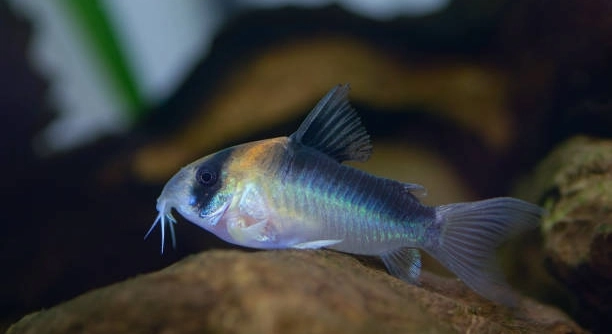
Creating a healthy and happy environment for Corydoras catfish is essential for their well-being. These small, peaceful fish thrive in specific water conditions, making their habitat an important factor in their overall health and happiness.
Maintaining the right water parameters, such as temperature, pH, and hardness, is crucial for Corydoras. A clean tank with proper filtration and substrate that mimics their natural habitat will help reduce stress and promote a healthy, thriving environment.
By adjusting key factors like water quality and tank setup, you can ensure your Corydoras catfish stay healthy and content. Keep reading to learn more about the best practices for their care.
Water Temperature and Consistency
Maintaining the correct water temperature is one of the most important factors for Corydoras catfish. These fish are native to tropical regions and thrive in warm waters, typically between 72°F and 78°F. Sudden temperature changes can stress them out, affecting their overall health. Consistency is key. Using a reliable heater and thermometer will help maintain a steady temperature, avoiding fluctuations that could lead to illness or stress. Corydoras are sensitive to abrupt changes, so it’s important to keep their environment stable.
You should also consider the time of year and adjust accordingly. In colder months, heaters can be necessary to maintain that warm, stable environment for your fish. Regularly check the temperature to ensure it’s in the optimal range.
By providing a consistent and warm water temperature, you help your Corydoras feel secure and comfortable. This stability can lead to better health and more active fish, helping them live a longer, happier life.
Tank Substrate and Hiding Spots
The right substrate is vital for Corydoras catfish. These fish are bottom dwellers and need soft, smooth surfaces. Sharp rocks or gravel can injure their delicate barbels, so choose fine sand or small, rounded pebbles.
Adding hiding spots will also make your Corydoras feel secure. They enjoy having areas where they can retreat when needed. Decorations like caves, plants, or driftwood provide these safe spaces, reducing stress and promoting natural behaviors. Corydoras are peaceful, and they prefer a calm environment where they can explore and find shelter. The more varied the hiding spots, the better.
Creating a natural, comfortable environment for them with a soft substrate and plenty of hiding spaces will allow your Corydoras to thrive. This not only reduces stress but also supports their natural behaviors, improving their overall happiness.
Proper Filtration for Clean Water
A good filtration system is essential for keeping the water clean and free of toxins. Corydoras are sensitive to poor water quality, and a filter ensures that waste is removed, keeping the tank’s environment healthy.
Make sure to choose a filter with a gentle flow, as strong currents can stress out your Corydoras. A filter that efficiently removes debris and bacteria while maintaining water quality without creating too much turbulence is ideal. Regular maintenance, such as cleaning the filter and changing the water, will help keep the tank conditions optimal for your fish.
A well-maintained filtration system ensures clean, stable water conditions. This reduces the risk of disease and keeps your Corydoras comfortable. With proper filtration, the tank becomes a much healthier space for your fish to thrive.
Water pH and Hardness
Corydoras prefer slightly acidic to neutral water, with a pH range of 6.0 to 7.5. It’s important to regularly test the water’s pH to ensure it stays within this range.
Water hardness also plays a role in their health. These catfish do well in soft to moderately hard water, typically between 4 and 15 dGH. Too high or too low of a pH or hardness level can cause stress and even illness. Regular water testing will help you identify any imbalances early, allowing for quick adjustments.
Maintaining the right water chemistry can prevent many issues. By stabilizing both pH and hardness, you create a comfortable and suitable environment for your Corydoras to flourish. Regular testing and adjustments are necessary to keep the water conditions just right for them.
Substrate Selection
Choosing the right substrate is crucial for Corydoras catfish. They like to forage along the tank’s bottom, so a soft, fine substrate such as sand is best. Avoid sharp gravel, as it can injure their delicate barbels.
Sand provides a comfortable environment for these fish to search for food without harm. It also allows waste to settle without becoming trapped, making it easier to maintain clean water. A fine, smooth substrate promotes natural behavior and helps reduce stress.
Aquascaping with Hiding Spots
Corydoras need places to hide and feel secure. Adding plants, rocks, and caves helps create an environment where your fish can rest and feel safe. They enjoy having areas to retreat to when they feel threatened or stressed.
Incorporating live plants and driftwood can also improve water quality by providing natural filtration. The fish will feel less stressed when they have access to these hiding spots. Additionally, hiding places mimic their natural habitat, making them feel more at ease and encouraging their natural behaviors.
Lighting Considerations
Corydoras prefer low to moderate lighting. Bright lights can stress them out and affect their behavior. A dimmer setup will make them feel more comfortable and encourage more natural activity.
When choosing aquarium lighting, aim for a setup that doesn’t create harsh reflections or glares. A soft, ambient light will allow your fish to thrive. Reducing light intensity also helps keep your Corydoras feeling safe and reduces the chances of stress-related health issues.
FAQ
How often should I change the water in my Corydoras tank?
Water changes are essential for maintaining a healthy environment. Aim for about 25% of the water to be changed weekly. Regular water changes help remove waste and toxins, preventing water quality from deteriorating. If you have a larger tank or a higher bioload, you may need to increase the frequency or amount of water changed.
Can Corydoras live with other fish?
Yes, Corydoras are peaceful and do well in community tanks. They thrive with non-aggressive fish, especially those that prefer similar water conditions. Good tank mates include tetras, guppies, and other bottom-dwellers. Avoid aggressive fish that might stress your Corydoras or compete for food.
What should I feed my Corydoras?
Corydoras are omnivores and will eat a variety of foods. Offer them high-quality sinking pellets, frozen or live foods like bloodworms, and occasional vegetable matter like blanched zucchini. Make sure the food sinks to the bottom, as Corydoras are bottom feeders and prefer to forage along the substrate.
Can Corydoras catfish eat algae?
Corydoras will sometimes nibble on algae, but they are not efficient algae eaters. They can help keep some algae in check, but you should not rely on them as the primary method for algae control. Regular tank maintenance, such as manual removal of algae and proper filtration, is necessary.
Do Corydoras catfish need a filter?
Yes, Corydoras benefit from a filter to maintain water quality. A good filter will help keep the tank clean by removing waste, excess food, and toxins. However, the filter’s flow should be gentle to avoid stressing your Corydoras, as they prefer calm water conditions.
How do I know if my Corydoras are stressed?
Stressed Corydoras may show signs such as hiding more than usual, erratic swimming, or a loss of appetite. They may also develop physical signs, such as faded colors or damaged fins. Stress can be caused by poor water quality, inappropriate tank mates, or improper tank conditions. Monitoring their behavior closely can help you address any issues early.
Can Corydoras live in cold water?
Corydoras are tropical fish, so they require warmer water temperatures. Ideal temperatures range from 72-78°F (22-26°C). Cold water can cause stress, weakened immune systems, and even death. If your tank is too cold, consider adding a heater to maintain a stable, warm environment.
How many Corydoras should I keep together?
Corydoras are social fish and prefer to live in groups. It’s best to keep at least 3-5 Corydoras together to help them feel secure. A small school allows them to display natural behaviors, such as foraging together and interacting with one another, which reduces stress.
What size tank do I need for Corydoras?
The minimum tank size for Corydoras is a 20-gallon tank. However, a larger tank is always better, especially if you plan to keep multiple fish or other species. More space provides better water quality, more swimming room, and creates a more comfortable environment for your Corydoras.
Can Corydoras breed in a home aquarium?
Yes, Corydoras can breed in a home aquarium if conditions are right. To encourage breeding, maintain stable water parameters, provide hiding spots, and offer a varied diet. Corydoras usually breed when they feel safe and secure, and sometimes a slight temperature change can trigger breeding behavior.
Why are my Corydoras not eating?
If your Corydoras aren’t eating, it may be due to stress, poor water quality, or illness. Ensure the water is clean, the tank conditions are ideal, and they are not being bullied by other fish. If the problem persists, it may be worth consulting an expert or veterinarian.
Are Corydoras sensitive to medications?
Yes, Corydoras are sensitive to certain medications, especially copper-based ones. When treating diseases, always check the medication’s compatibility with Corydoras. Use fish-safe, gentle medications and avoid overdosing. If in doubt, consult an aquarium professional before applying treatments to your tank.
Can Corydoras live in a tank without a lid?
While Corydoras don’t typically jump, it’s best to keep your tank covered. They may occasionally swim too close to the surface, and having a lid prevents any unexpected leaps. Keeping a lid on the tank also helps maintain humidity and temperature stability.
Do Corydoras need a heater?
Yes, Corydoras are tropical fish that require warm water to thrive. A heater ensures that the water stays within the ideal temperature range of 72-78°F. Without a heater, the water temperature may drop, causing stress and affecting their immune system.
How can I tell if my Corydoras is sick?
Signs of illness in Corydoras include a loss of appetite, abnormal swimming behavior, faded coloration, or visible signs of distress like frayed fins or lesions. If you notice these symptoms, check water parameters immediately and consider isolating the affected fish for treatment.
Are Corydoras bottom feeders?
Yes, Corydoras are bottom feeders. They spend most of their time foraging along the substrate for food. This makes them excellent tank mates for other fish that feed higher in the water column. They help keep the bottom of the tank clean by scavenging leftover food.
Do Corydoras need a special substrate?
Corydoras prefer soft, fine substrates like sand. Sharp or coarse gravel can damage their sensitive barbels, so it’s important to choose a substrate that is gentle. Sand allows them to dig and forage naturally without harming themselves. Regular cleaning is also easier with sand compared to gravel.
Can Corydoras live in a planted tank?
Yes, Corydoras thrive in planted tanks. The plants provide hiding spots, reduce stress, and mimic their natural environment. However, make sure the plants are non-toxic and that they don’t crowd the tank too much. Adequate swimming space is still necessary for the fish to move around comfortably.
Final Thoughts
Creating a healthy and happy tank environment for your Corydoras catfish requires careful attention to their specific needs. These fish thrive in peaceful, well-maintained aquariums with gentle water flow and soft, fine substrates. Choosing the right substrate, such as sand, helps keep your Corydoras comfortable while they forage for food. Their natural behavior, like scavenging along the bottom, can only be encouraged if they have the space and the proper environment to feel safe and secure.
Water quality is a key factor in ensuring your Corydoras remain healthy. Regular water changes and proper filtration are essential to maintain clear water and reduce toxins. As bottom dwellers, Corydoras benefit from clean water with low to moderate lighting, which mimics their natural habitat. This not only supports their physical health but also reduces stress, allowing them to live happily in the tank. Adding plants, hiding spots, and even other peaceful tank mates further enhances their well-being.
Finally, while Corydoras are relatively low-maintenance compared to some other fish species, they do have specific requirements that must be met to ensure their long-term health. A stable temperature range, gentle filtration, and appropriate food are all essential. When you provide a well-balanced, stress-free environment, Corydoras will thrive and add a peaceful, engaging presence to your tank. Understanding and meeting their needs will go a long way in creating a successful, thriving aquarium.

Hello,
If you enjoy the content that we create, please consider saying a "Thank You!" by leaving a tip.
Every little bit helps us continue crafting quality advice that supports the health, happiness, and well-being of pets around the world, for pets of all shapes, sizes, and species.
We really appreciate the kindness and support that you show us!