
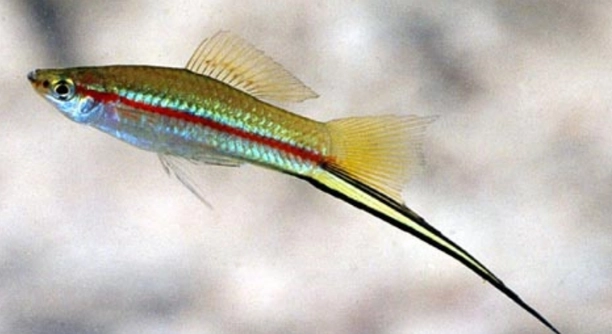
Is your swordtail tank feeling a little too active or stressful lately, making it hard for your fish to settle peacefully?
Creating a calmer swordtail tank involves adjusting lighting, reducing noise, adding plants, and monitoring tankmates. These steps help lower stress levels, support natural behavior, and promote a healthier environment for your swordtails to thrive.
By making small changes, you can support your swordtails’ comfort while improving the tank’s overall balance and appearance.
Add More Plants for Shelter
Swordtails feel safer in tanks with plenty of cover. Adding live or artificial plants gives them space to rest, hide, and reduce stress. Plants like Java fern, Anubias, and Amazon sword work well and are easy to care for. Placing them around the tank helps create natural boundaries, which lowers aggression and makes each fish feel more secure. This kind of setup mimics their natural environment, encouraging calmer behavior. If you’re using real plants, make sure they’re suited to your lighting and water conditions. A mix of tall plants and bushy ones works best for visual variety and comfort.
Artificial plants are also useful if you want less maintenance. Just rinse them regularly to avoid algae buildup.
Even if you already have some plants, adding a few more can make a noticeable difference in how relaxed your swordtails act. It doesn’t take much to create a soothing underwater space.
Reduce Water Flow Strength
Swordtails enjoy some current, but strong water movement can make them anxious. Try adjusting your filter flow if they’re always swimming against it or seem unsettled.
A calmer water flow gives your swordtails more control over their movements. High-powered filters can overwhelm them, especially in smaller tanks. To fix this, use a filter with adjustable settings or place a sponge or baffle at the output to soften the flow. You can also use decorations like rocks or driftwood to break up the current naturally. Watch your fish for signs they’re struggling—like constant swimming in place or hiding too often. These can be signs the flow is too much. Swordtails need a balance between movement and stillness. A steady but gentle flow lets them explore, rest, and interact more freely. Creating this balance helps support a peaceful and stable tank environment that benefits both swordtails and other fish.
Keep a Consistent Light Schedule
Inconsistent lighting can cause stress for swordtails. Sudden changes or leaving the light on too long disrupts their natural rhythm. Aim for 10 to 12 hours of light per day using a timer to keep things steady and predictable.
Light affects how swordtails eat, rest, and behave. A regular light cycle helps them develop a natural daily pattern, reducing signs of anxiety or restlessness. Without this consistency, they may stay hidden or become overly active at the wrong times. If your tank gets natural sunlight, be sure it’s not too intense or irregular. A simple, automated timer ensures your swordtails have a balanced day and night rhythm without extra effort. Avoid turning lights on and off randomly—sudden changes can startle fish and increase their stress levels. Even small adjustments to your lighting schedule can lead to calmer, more predictable behavior.
When making changes to the light schedule, do so gradually. Swordtails need time to adjust, and abrupt changes can make the tank feel unstable to them. Try dimming lights in the evening rather than switching them off instantly. If your fish seem agitated after changes, go back to a previous setting and shift slowly over time. Consistent lighting builds a calm and familiar environment.
Choose Peaceful Tank Mates
Aggressive or fast-swimming fish can overwhelm swordtails. They do best with peaceful tank mates like mollies, platies, or corydoras. Choose species that match their energy and won’t nip fins or chase them around constantly.
Swordtails are generally calm, but they don’t always do well with dominant or territorial fish. Avoid placing them with species like tiger barbs or large cichlids, which can bully or stress them out. Even if the tank seems calm at first, constant minor conflicts build tension over time. A mismatched group makes it harder for swordtails to feel at ease. Watch how new fish interact during the first few days—look for signs like hiding, fast swimming, or skipping meals. These can be subtle stress signals. Creating a well-matched community takes a little planning, but it’s one of the best ways to keep your swordtail tank calm and balanced.
Avoid Sudden Tank Changes
Sudden changes to water temperature, decor, or layout can make swordtails uneasy. They need stability to feel safe. Make any adjustments slowly and only when needed. Always match new water to the tank’s current conditions.
Even small shifts can cause stress if done too quickly. Stick to gradual changes and monitor your fish closely afterward.
Maintain Proper Water Conditions
Clean water is one of the most important factors in keeping swordtails calm. Ammonia, nitrite, or pH spikes can stress them quickly, even if they seem fine at first. Use a water test kit regularly and aim for stable levels. Weekly partial water changes, around 25%, help maintain balance without shocking the fish. Use a dechlorinator to treat tap water and make sure it’s the same temperature as the tank water. Also, avoid overfeeding—excess food breaks down and affects water quality fast. Keeping up with these habits helps prevent hidden issues that build stress over time. Stable, clean water keeps swordtails healthy and calm.
Minimize Outside Noise
Loud sounds or vibrations near the tank can make swordtails skittish. Place the tank in a quieter area of your home and avoid tapping on the glass. Calm surroundings lead to calmer fish.
FAQ
How do I know if my swordtail is stressed?
Signs of stress in swordtails include hiding more than usual, lack of appetite, rapid breathing, or swimming erratically. They may also develop dark spots or faded colors. If you notice these behaviors, it’s a sign that something in the environment is bothering them. Stress can come from water quality, tankmates, or even tank decorations. Monitoring their behavior closely can help you catch issues early.
What’s the ideal tank size for swordtails?
Swordtails thrive in a tank of at least 20 gallons. A larger tank gives them space to swim freely and reduces territorial behavior. With a bigger tank, you can also add more plants or hiding spots, which help them feel more secure. Smaller tanks can lead to overcrowding, which causes stress.
Can swordtails live with other fish?
Yes, swordtails are peaceful fish and can live with other calm species. They pair well with other livebearers like mollies and guppies, or bottom dwellers like corydoras. Avoid housing them with aggressive or fast-swimming fish, as this can stress them out. Always monitor interactions when adding new fish.
What temperature should my swordtail tank be?
Swordtails prefer water temperatures between 72°F and 82°F (22°C to 28°C). Keeping the water within this range promotes health and reduces stress. Sudden temperature changes can shock the fish and lead to illness, so it’s important to have a reliable heater if needed.
How often should I feed my swordtails?
Feed your swordtails once or twice a day, offering only what they can eat in a few minutes. Overfeeding can lead to poor water quality and stress. Swordtails are omnivores and enjoy a mix of flakes, pellets, and occasional live or frozen foods like brine shrimp.
Are swordtails aggressive towards each other?
Swordtails are generally peaceful, but males can sometimes become territorial, especially in smaller tanks. If you have multiple males, consider adding more females to reduce aggression. Providing enough hiding spots and plants helps give fish their own space to reduce fighting.
How do I maintain good water quality in my swordtail tank?
Good water quality is crucial. Regularly test the water for ammonia, nitrites, nitrates, and pH levels. Aim for a pH of 7.0 to 8.0, with ammonia and nitrite levels at zero. Perform partial water changes weekly, changing about 25% of the water to keep it clean.
Can I keep swordtails with live plants?
Yes, swordtails do well with live plants. They enjoy swimming around them, and plants provide hiding spots that help reduce stress. Swordtails won’t usually damage plants, though they may nibble on some types. Choose hardy plants like Java ferns, anubias, or Amazon swords, which are easy to care for.
Why is my swordtail hiding all the time?
If your swordtail is hiding frequently, it could be stressed or ill. Check water conditions, tankmates, and decor. Overcrowding or aggressive fish can cause stress. If the hiding persists despite a stable environment, consider consulting an aquarium professional for a more in-depth look.
How do I stop swordtails from breeding?
If you don’t want swordtails to breed, you can remove males from the tank or separate males and females. Keep in mind that swordtails are livebearers, meaning they give birth to live young instead of laying eggs. If you want to prevent offspring, also remove any newborns quickly.
Can I keep swordtails with shrimp or snails?
Yes, swordtails can coexist with shrimp and snails in a peaceful tank. However, be cautious with small shrimp species, as swordtails may nip at them or eat the smaller ones. Snails are usually safe, but avoid species that might overrun the tank or damage plants.
What should I do if my swordtail gets sick?
If your swordtail shows signs of illness like fading color, swelling, or strange swimming behavior, isolate it in a quarantine tank to avoid spreading disease. Check water quality, and consider consulting an aquarium vet or using treatments like antibiotics or anti-parasitic medications based on symptoms.
Can I keep swordtails in a community tank?
Swordtails do well in community tanks, as long as the other fish are peaceful. They mix well with species like guppies, mollies, and tetras. Just be mindful of their tankmates’ behavior, as overly aggressive fish can cause stress. Always monitor the tank closely for any signs of aggression.
What is the best filtration system for a swordtail tank?
For a swordtail tank, a gentle filtration system works best. Choose a filter with adjustable flow, so you can control the water movement. Swordtails do well with moderate filtration to keep water clean, but too strong a flow can make them stressed. A sponge filter is often a good option.
How long do swordtails live?
Swordtails typically live for 3 to 5 years, though with proper care, they can live longer. Good water quality, a balanced diet, and stable tank conditions are essential to ensuring a long, healthy life for your swordtails. Keep an eye on their behavior and health to catch potential issues early.
Why are my swordtails swimming at the surface?
If your swordtails are swimming at the surface, it could be due to low oxygen levels in the tank. Increase aeration by adding an air stone or a filter with a higher flow rate. Make sure to regularly test water conditions, as poor water quality can also lead to surface behavior.
Final Thoughts
Maintaining a calm swordtail tank doesn’t require complex techniques, but it does require consistent care and attention. Swordtails are hardy fish that thrive in stable environments. By focusing on their water quality, temperature, and tankmates, you can create a peaceful home for your fish. Proper tank maintenance, such as regular water changes and testing for ammonia or nitrites, plays a major role in keeping swordtails healthy and calm. Small efforts like these will go a long way in preventing stress-related issues.
While many of the tips mentioned are easy to implement, the key to a happy swordtail tank lies in consistency. Always observe your fish closely and be ready to make adjustments as needed. Keep the tank clean, ensure your swordtails have plenty of space to swim, and monitor their behavior for any signs of stress. Over time, you will get familiar with their preferences and understand when something is off. With these steps, you can reduce stress and help your swordtails flourish in their environment.
Ultimately, the calmness of your swordtail tank depends on how well you balance all the factors that contribute to a healthy aquarium. Swordtails, like all fish, need a stable environment with the right water parameters and compatible tankmates. Taking the time to make small changes will create a more peaceful and enjoyable space for both you and your fish. By following the basic guidelines and staying observant, you will be able to enjoy watching your swordtails thrive.

Hello,
If you enjoy the content that we create, please consider saying a "Thank You!" by leaving a tip.
Every little bit helps us continue crafting quality advice that supports the health, happiness, and well-being of pets around the world, for pets of all shapes, sizes, and species.
We really appreciate the kindness and support that you show us!