
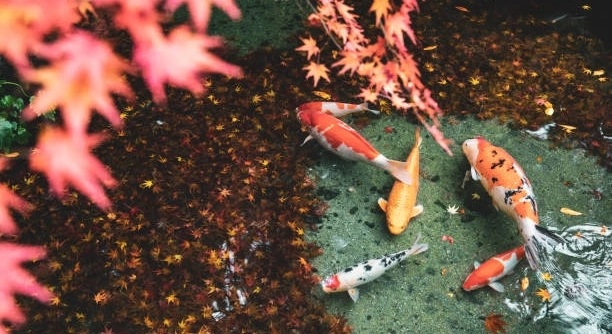
Koi ponds can become uncomfortably warm during hot weather, affecting the health of the fish. Keeping the water cool is essential for maintaining a balanced and thriving environment. Natural methods offer effective ways to reduce pond temperature without chemicals.
Implementing natural cooling techniques such as increasing shade, improving water circulation, using aquatic plants, and adding aeration helps lower water temperature. These methods promote oxygen levels and reduce heat stress, supporting koi health and overall pond balance.
These simple strategies can help protect koi ponds from overheating and maintain a healthier habitat for your fish year-round.
Increase Shade Around the Pond
Adding shade is one of the simplest ways to cool down a koi pond naturally. Trees, shrubs, or even a shade sail can block direct sunlight from heating the water. Shade reduces water temperature by limiting solar radiation and also helps slow algae growth. Placing taller plants or structures on the sunny side of the pond provides a natural cooling effect throughout the day. It is important to ensure that the shade does not completely block air circulation, as this could reduce oxygen levels. Using a mix of shade sources also adds visual interest to the pond area. While it may take some time for trees or shrubs to grow, temporary solutions like shade sails or umbrellas work immediately. Keeping the pond shaded helps maintain a stable temperature and supports koi health during warm months.
Shade also protects fish from harmful UV rays that can stress them in hot weather.
Adding shade lowers water temperature and protects koi by blocking sunlight and reducing algae growth, creating a healthier pond environment.
Improve Water Circulation
Good water circulation is vital for cooling koi ponds naturally. Moving water prevents heat from settling on the surface and promotes oxygen exchange, which supports fish health. Installing a pump or fountain encourages constant water movement, breaking up warm layers and mixing cooler water from deeper areas. Circulation also prevents stagnant zones where temperature spikes can occur. In addition to cooling, increased movement helps distribute nutrients and supports beneficial bacteria, which are important for water quality. It is best to choose equipment suited for the pond size to avoid excessive energy use or insufficient flow. Proper placement of inlets and outlets helps maximize circulation effects. Regular maintenance ensures pumps and fountains run efficiently without clogging, preserving the cooling benefits. Improving circulation is a practical method that benefits both temperature control and overall pond health.
Circulating water evenly cools the pond and keeps koi healthier by increasing oxygen levels and preventing stagnant, warm pockets.
Use Aquatic Plants
Aquatic plants provide natural cooling by shading the water and absorbing heat. They also reduce algae growth by competing for nutrients. Plants like water lilies and lotus are popular choices for koi ponds.
Floating and submerged plants work together to cool the pond. Floating plants block sunlight directly from hitting the water surface, reducing temperature spikes during hot days. Submerged plants release oxygen, which supports healthy fish and water conditions. Both types help balance the pond ecosystem, creating a stable environment for koi. Additionally, plants improve water quality by filtering out debris and absorbing excess nutrients. Maintaining a healthy plant population requires regular trimming to prevent overcrowding and ensure good water flow. This balance keeps the pond cooler and benefits koi well-being.
Aquatic plants are a natural, low-maintenance way to cool ponds while improving water quality. Their shade and oxygenation reduce stress on koi and limit algae growth.
Add Aeration
Aeration increases oxygen levels and promotes water circulation, which helps cool the pond naturally. Devices like air stones or diffusers release bubbles that break the water surface.
The rising bubbles disrupt surface tension and help evaporate heat from the water, lowering the temperature. Aeration also prevents stagnant areas where warm water could build up, promoting even temperature distribution. Increased oxygen from aeration supports koi metabolism and immune health, making them more resilient to heat stress. Proper placement of aeration devices ensures efficient coverage of the pond surface. Running aeration during the hottest parts of the day maximizes cooling benefits. Regular checks and cleaning prevent blockages and maintain performance. Aeration is an effective, energy-efficient solution that complements other cooling methods in koi pond care.
Use Light-Colored Pond Liners
Light-colored pond liners reflect sunlight, reducing heat absorption. This simple change can lower water temperature compared to darker liners.
Reflecting sunlight helps keep the pond cooler throughout the day. It also prevents excessive warming of the pond bottom, benefiting koi comfort and health.
Add a Waterfall or Fountain
Waterfalls and fountains improve cooling by constantly moving and aerating the water. The flowing water increases evaporation, which removes heat from the pond.
Besides temperature control, these features add oxygen to the water, enhancing koi vitality. They also prevent water stagnation and improve overall water quality, creating a better habitat.
Avoid Overfeeding
Overfeeding koi raises water temperature and pollutes the pond. Feeding only what the fish can consume quickly helps maintain water quality and temperature balance.
FAQ
How often should I check the pond temperature during hot weather?
It is best to monitor the pond temperature daily when weather is hot. Checking in the morning and afternoon helps identify temperature fluctuations. Consistent monitoring allows timely adjustments in cooling methods to protect koi from heat stress.
Can too much shade harm my koi pond?
Excessive shade may reduce oxygen levels and slow plant growth, affecting pond health. Aim for partial shade that blocks direct sunlight but allows air circulation. Balancing shade and sunlight ensures a healthy environment for koi and aquatic plants.
Are there specific plants that work best for cooling koi ponds?
Water lilies and lotus are effective floating plants that provide shade. Submerged plants like hornwort and anacharis oxygenate water and compete with algae. Combining different plant types helps cool the pond naturally and maintain water quality.
Is aeration necessary if I already have a pump?
Aeration offers benefits beyond water movement, including increased oxygen and heat evaporation. Pumps improve circulation but may not aerate effectively. Using aeration devices like air stones in addition to pumps ensures better cooling and healthier koi.
How can I prevent algae growth while cooling my pond naturally?
Increasing shade and adding aquatic plants reduce sunlight and nutrients algae need to thrive. Regular pond maintenance, such as debris removal and avoiding overfeeding, limits algae fuel. Proper circulation and aeration also help control algae by improving oxygen levels and water movement.
What is the best time of day to run aeration devices?
Running aeration during the hottest parts of the day maximizes cooling through evaporation. Early morning and late afternoon operation also supports oxygen levels. Adjust timing based on temperature patterns to keep the pond stable.
Can overfeeding koi increase pond temperature?
Yes, uneaten food decomposes and releases heat, raising water temperature and polluting the pond. Feeding small amounts that koi consume quickly prevents waste buildup. This practice supports better water quality and temperature control.
Will light-colored pond liners significantly reduce water temperature?
Light-colored liners reflect sunlight, reducing heat absorption and helping keep the pond cooler. While not the only solution, they contribute to natural temperature control when combined with shading and circulation techniques.
How do waterfalls help cool koi ponds?
Waterfalls promote evaporation and increase water movement, both of which reduce heat. The falling water mixes surface and deeper water layers, preventing hot spots. Waterfalls also add oxygen, improving overall pond health.
Are natural cooling methods enough during extreme heat?
Natural methods work well under normal warm conditions but may need support during extreme heat. Supplemental solutions like pond chillers or temporary shade structures can provide additional cooling. Consistent monitoring helps decide when extra measures are necessary.
Keeping koi ponds cool during warm weather is important for the health and well-being of the fish. High temperatures can stress koi, lower oxygen levels, and promote algae growth, which negatively impacts water quality. Using natural cooling methods helps maintain a balanced environment without introducing chemicals or complex equipment. Simple strategies like adding shade, improving water circulation, and planting aquatic plants offer effective ways to reduce pond temperature and protect koi.
Implementing a combination of techniques often works best. Shade reduces direct sunlight exposure and slows temperature increases, while circulation and aeration improve oxygen levels and distribute cooler water throughout the pond. Aquatic plants provide both shade and oxygen, creating a healthier ecosystem. Adjusting feeding habits also plays a role in keeping water clean and temperature stable. These natural approaches require regular observation and maintenance, but they support long-term pond health and create a comfortable habitat for koi.
Consistent care and attention to pond conditions will help koi thrive in warmer months. Monitoring temperature and water quality allows timely adjustments to cooling methods as needed. While natural methods can effectively lower water temperature, extreme heat may occasionally require additional measures. Overall, combining these strategies creates a more stable environment, reduces stress on the fish, and supports the beauty and vitality of the koi pond year-round.

Hello,
If you enjoy the content that we create, please consider saying a "Thank You!" by leaving a tip.
Every little bit helps us continue crafting quality advice that supports the health, happiness, and well-being of pets around the world, for pets of all shapes, sizes, and species.
We really appreciate the kindness and support that you show us!