
Are your guppies multiplying faster than you expected, leaving you with more fish than your tank can handle?
The most effective way to control guppy breeding is by separating males and females. This prevents unwanted reproduction and allows you to manage your tank population with greater accuracy and ease.
Small changes to your tank setup and care routine can make a big difference in preventing overpopulation and keeping your guppies healthy.
Separate Males and Females
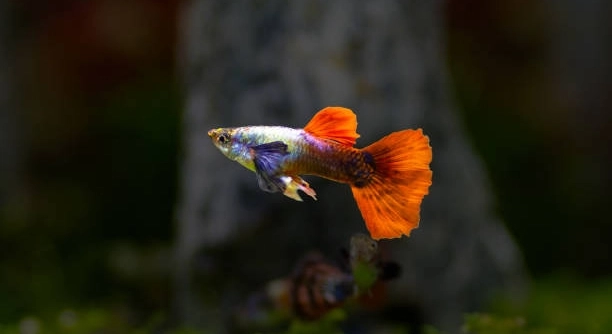
One of the easiest ways to stop guppies from breeding is to keep males and females in different tanks. Male guppies have colorful tails and slimmer bodies, while females are usually larger with a darker gravid spot near their belly. By identifying and splitting them early, you can prevent unwanted fry from filling your tank. This method is especially helpful if you only want to breed when you’re ready. Keep in mind that females can store sperm for months, so even after separation, they might still give birth. To handle this, monitor the females and remove any fry they produce.
This method requires basic observation skills and a little extra tank space, but it works well and doesn’t involve chemicals or stress for the fish.
If you’re new to guppy keeping, separating males and females might feel overwhelming at first, but it quickly becomes part of your routine. It gives you better control and keeps things calm in your tank.
Use Same-Sex Tanks
Keeping only males or only females in a tank stops reproduction completely. It’s a reliable way to prevent breeding without needing to make constant changes.
Same-sex tanks are great for keeping things simple. Male-only tanks are more colorful and active, while female-only tanks are quieter and more peaceful. You won’t have to worry about surprise fry showing up or dealing with crowding. Just make sure all fish are healthy and getting along. Guppies can still nip at each other, especially in all-male groups, so adding plants and hiding spaces can help reduce stress. This method is often used by people who want to enjoy guppies without the added responsibility of managing fry. You’ll still get all the beauty and movement of guppies, just without the fast population growth. Same-sex tanks are also helpful if you want to focus on care, feeding, or setting up a more decorative aquarium.
Control the Water Temperature
Lowering the water temperature slightly can help slow down guppy breeding. Guppies breed more actively in warmer water, especially between 75–82°F. Keeping the tank closer to 72°F may reduce their desire to mate.
A small change in temperature won’t harm your guppies but can influence their behavior. When the water is cooler, their metabolism slows down, and they become less active overall. This also affects how often they reproduce. Use an adjustable heater and a reliable thermometer to monitor the temperature. Just avoid sudden shifts, as that can stress the fish. Keep conditions stable and consistent. If you’re also using other methods like separating sexes or same-sex tanks, adjusting temperature adds an extra layer of control. It’s a simple way to manage breeding without needing extra tanks or equipment.
Be sure your guppies remain healthy while lowering the temperature. Watch for any changes in behavior or appetite. Cooler water is safe, but it shouldn’t make your fish uncomfortable.
Limit Hiding Spots
Fewer hiding spots mean fewer chances for fry to survive. Guppy fry usually hide among plants and decorations to avoid being eaten by adult fish. Reducing these spaces can naturally control population growth.
Live plants, caves, and dense decorations all offer great protection for baby guppies. While they make your tank look nice, they also make it easy for fry to hide and grow. By keeping the tank more open, fewer fry survive, and the overall breeding impact is reduced. Instead of removing everything, consider trimming plants or rearranging decorations to create fewer dense areas. If you’re using breeding boxes or separate tanks, this method may not be necessary. But in a community tank, limiting hiding spaces can be a gentle, hands-off way to help manage guppy numbers without extra effort. Just make sure the adults still have enough cover to feel secure while keeping fry survival low.
Add Predatory Tank Mates
Adding fish that may eat guppy fry can help reduce overpopulation. Species like angelfish or gouramis are known to eat fry while usually leaving adult guppies alone. This can naturally keep numbers down.
Be sure the new fish are compatible with adult guppies. Avoid overly aggressive species that might cause stress or harm.
Avoid Overfeeding
Overfeeding guppies encourages faster growth and more frequent breeding. Keeping portions small and feeding only once or twice a day can reduce excess energy, which slows down reproduction. Too much food also leads to poor water quality and health issues.
Don’t Use Breeding Boxes
Breeding boxes protect fry from being eaten, which leads to more surviving babies. Avoid using them if your goal is to reduce population.
FAQ
Can guppies breed without a male present?
Yes, female guppies can still produce fry even if there’s no male in the tank. This happens because female guppies are able to store sperm for several months after mating. Once fertilized, they can give birth multiple times without a male being present. This is why separating females from males after they’ve already been together won’t always stop breeding right away. You may still see fry appear for a while, even in an all-female tank. Over time, once the stored sperm is used up, they will stop giving birth.
How often do guppies breed?
Guppies breed often. A healthy female can give birth every 30 days or so, depending on the water temperature and other conditions. In warmer water, they breed more frequently. Each time, she may have between 20 to 50 fry, sometimes even more. Since guppies don’t care for their young, and adults often eat them, population growth can still happen quickly if the fry have enough hiding spots. That’s why it’s important to manage tank conditions if you’re trying to control breeding.
What happens if the tank gets overcrowded?
Overcrowding can cause a lot of stress for your guppies. It leads to poor water quality, more aggression between fish, and an increased risk of disease. Oxygen levels can also drop in an overcrowded tank, especially if there are too many fish and not enough surface movement. If the tank becomes too full, even regular cleaning won’t be enough to keep things healthy. You might notice guppies acting sluggish or getting sick more often. To avoid this, it’s better to reduce breeding and stick to the recommended number of fish for your tank size.
Do male guppies fight in same-sex tanks?
Male guppies may show some aggression in same-sex tanks, especially if the group is too small or there aren’t enough places to hide. Nipping at fins or chasing is common, but it usually settles down if the tank is well-planted and has enough space. A larger group of males often works better than just two or three, because it spreads out any aggressive behavior. Keeping the water clean and feeding them well can also reduce tension. In most cases, a male-only tank is still calmer than a mixed tank with constant breeding.
What’s the easiest method for beginners?
For beginners, separating males and females is usually the easiest and most effective method. It gives you clear control over breeding without needing to make too many changes to the tank. Once you can tell the difference between male and female guppies, it becomes simple to manage. You don’t have to adjust temperature, add predators, or remove plants. Just set up two tanks, one for males and one for females, and check them regularly. Over time, this method helps keep your guppy population under control with very little stress.
Will reducing breeding affect my guppies’ health?
Not at all. In fact, limiting breeding can improve their health. Breeding takes a lot of energy from female guppies, especially if they’re constantly pregnant. Giving them a break helps reduce stress and allows them to live longer, healthier lives. Males also stay more relaxed when they’re not constantly chasing females. A less crowded tank means better water quality and fewer chances of illness. So, managing breeding doesn’t just control numbers—it can also lead to a more balanced and peaceful tank environment overall.
Final Thoughts
Controlling guppy breeding is important if you want to keep your tank clean, healthy, and easy to manage. Guppies are beautiful and active fish, but they reproduce quickly. Without a plan, your tank can become overcrowded in just a few months. Too many guppies lead to problems with water quality, stress, and even disease. It can also make the tank harder to clean and maintain. Learning how to manage breeding helps prevent these issues before they start. It doesn’t require advanced knowledge—just a few simple changes to your setup and routine.
There are several easy ways to control breeding. Separating males and females is the most effective method. It’s also simple once you learn how to tell them apart. Some people choose to keep only males or only females, which works just as well. Lowering the water temperature, reducing hiding spots, and avoiding breeding boxes are other small changes that can make a big difference. Adding tank mates that eat fry can also help, but only if those fish are peaceful with adult guppies. Each method has its own pros and cons, so it’s okay to try more than one until you find what works best for your tank.
Keeping guppies should be a relaxing and enjoyable experience. Too much breeding can turn it into a chore, but with a little planning, it’s easy to stay in control. There’s no need to feel overwhelmed. Start with one method and make changes slowly. As you gain more experience, managing your tank will become second nature. Your guppies will be healthier, your water will stay cleaner, and you’ll avoid the stress of dealing with constant fry. Whether you’re new to fishkeeping or just looking to make things easier, taking steps to reduce breeding is a smart and simple choice.

Hello,
If you enjoy the content that we create, please consider saying a "Thank You!" by leaving a tip.
Every little bit helps us continue crafting quality advice that supports the health, happiness, and well-being of pets around the world, for pets of all shapes, sizes, and species.
We really appreciate the kindness and support that you show us!