
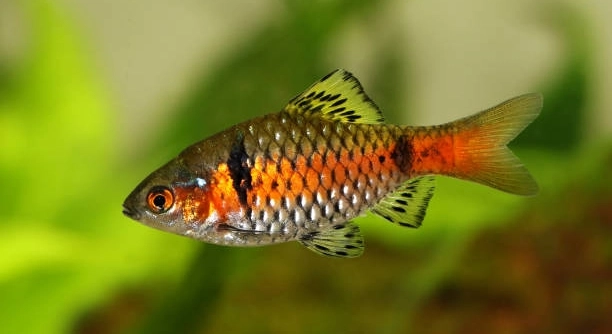
Do your Rosy Barbs seem overly active, zipping around the tank and disturbing the calm of your aquarium setup?
The best way to calm down a rowdy Rosy Barb is by providing a spacious tank with proper group sizes, stable water conditions, and enrichment through plants or hiding spots. These fish become less aggressive when their environment supports natural behavior.
Understanding how your aquarium setup influences behavior will help reduce stress and create a more peaceful space for your fish.
Keep Them in a Proper Group Size
Rosy Barbs are social fish that thrive when kept in groups. A school of at least five helps reduce aggressive behavior, especially among males. When kept in smaller numbers, they often become territorial or stressed. Group dynamics play a key role in balancing their energy and ensuring they feel secure. A proper school allows them to establish a natural pecking order, reducing chasing and nipping. The constant interaction within a group helps spread out any excess energy, making the overall behavior of the tank more peaceful. Avoid mixing just one or two with slower species, as this may result in constant harassment. Choosing the right number of tank mates helps maintain a sense of harmony and comfort for your fish. When barbs feel safe, they are less likely to act out or chase other tank mates excessively, which makes for a healthier environment.
Five is the minimum number, but seven or more is even better. The bigger the group, the calmer they stay.
A well-sized group also allows you to observe their natural schooling behavior. Watching them swim together in coordinated patterns adds life to your aquarium and reduces the chances of one fish being bullied or isolated.
Provide Plenty of Hiding Spaces
Rosy Barbs tend to calm down when they have safe places to rest.
Decorations, driftwood, and dense plants create zones where the fish can hide or retreat when feeling stressed. This doesn’t just serve to comfort them—it also gives their tank mates space to escape if needed. When the environment offers places to relax, Rosy Barbs are less likely to display frantic or aggressive behavior. Try using live plants such as Java fern or Anubias, which provide both visual barriers and physical shelter. Position decorations in a way that breaks the line of sight across the tank. This discourages constant chasing by disrupting any one fish’s focus. You don’t need to overcrowd the tank—just enough cover to create a balanced mix of open swimming space and sheltered areas. If you notice they gather near a specific corner, consider adding more cover to that side. As their sense of safety increases, their stress levels usually go down, leading to calmer movement and more stable behavior.
Keep the Water Conditions Stable
Rosy Barbs become more active and stressed when water parameters constantly shift. They respond better when the temperature, pH, and hardness remain steady. Regular maintenance helps prevent sudden changes that can unsettle their behavior.
Keep the water temperature between 72–78°F and the pH between 6.5 and 7.5. Use a reliable heater and thermometer to avoid temperature swings. Weekly partial water changes—about 25%—help keep nitrate levels down. Test the water regularly to check for ammonia or nitrite spikes. If something is off, address it slowly. Sudden corrections can cause more stress than the imbalance itself. A quiet filter that doesn’t create strong currents also helps. Avoid overfeeding, as decaying food can alter water quality. A stable tank promotes not just physical health but also behavioral balance. When their surroundings feel predictable, Rosy Barbs are less jumpy and less likely to chase tank mates.
Behavioral issues often improve once the tank’s conditions stay consistent for several days. Don’t make too many changes at once, even if the fish seem upset. Overcorrecting or frequently adjusting levels may only make them more skittish. Focus on creating a steady routine. Feeding at the same time each day and keeping lights on a regular schedule can also help create a calming rhythm in their daily life.
Avoid Overcrowding the Tank
A crowded tank increases stress and aggression in Rosy Barbs. They need open space to swim freely without bumping into other fish. Too many tank mates can make them feel territorial and cause constant chasing.
Stick to 1 inch of fish per gallon as a general rule. Rosy Barbs are active swimmers and need more space than slower species.
Limit Fin-Nipping Opportunities
Rosy Barbs are known to nip fins when bored or overstimulated. Avoid pairing them with long-finned or slow-moving fish like bettas or angelfish. These tank mates may trigger the Barbs’ natural tendency to chase and nip, especially in tight or under-stimulated environments. Choose similarly active, short-finned species instead. Fast-moving fish like danios or larger tetras are better suited companions. Also, make sure the tank has a proper layout with both open areas and shaded corners. Environmental enrichment, enough swimming room, and compatible species all work together to reduce fin-nipping and create a balanced space where Rosy Barbs behave more calmly.
Don’t Use Bright Lighting
Excessive lighting can overstimulate Rosy Barbs. Keep the lights moderate and provide shaded areas using plants or décor to help them relax.
FAQ
How many Rosy Barbs should I keep together?
Keeping Rosy Barbs in groups of five or more is ideal. Smaller groups often lead to aggressive behavior and stress. Larger schools allow them to display natural schooling patterns and reduce chasing. A bigger group spreads out any excess energy, helping to keep the fish calmer overall.
What tank size is best for Rosy Barbs?
A minimum of 30 gallons is recommended for a small group of Rosy Barbs. They are active swimmers who need plenty of open space. Larger tanks provide more stable water conditions and room for hiding spots, which reduces aggression and stress among the fish.
Can Rosy Barbs live with other fish?
Yes, but it is important to choose tank mates carefully. Avoid slow-moving or long-finned species that may trigger fin-nipping. Good companions include fast, similarly sized fish like danios, barbs of other species, or larger tetras. Avoid overcrowding to maintain peace.
Why are my Rosy Barbs so aggressive?
Aggression often comes from poor tank conditions, overcrowding, or lack of proper group size. Stress due to unstable water parameters or insufficient hiding spaces can also increase aggression. Addressing these factors usually calms their behavior.
How do I reduce fin-nipping in Rosy Barbs?
Provide plenty of swimming space and hiding spots to minimize boredom. Choose tank mates that are quick and not prone to triggering chasing behavior. Stable water conditions and a proper group size also help reduce fin-nipping.
What water conditions do Rosy Barbs prefer?
Rosy Barbs do best in temperatures between 72°F and 78°F and a pH of 6.5 to 7.5. Keeping water hardness moderate and maintaining stable parameters through regular testing and water changes supports their health and behavior.
How often should I feed Rosy Barbs?
Feed small amounts two to three times daily. Avoid overfeeding, as leftover food can degrade water quality and cause stress. A varied diet of flakes, pellets, and occasional live or frozen foods supports their health and activity levels.
Can bright lights stress Rosy Barbs?
Yes, excessive lighting can overstimulate Rosy Barbs. Use moderate lighting and provide shaded areas with plants or decorations. This helps reduce stress and encourages natural, calm behavior.
Are live plants necessary for calming Rosy Barbs?
Live plants are beneficial but not mandatory. They create natural hiding spaces and improve water quality. Plants help break up lines of sight, which reduces chasing and aggression by providing secure areas within the tank.
How long does it take for Rosy Barbs to calm down?
Behavior can improve within a few days to a week after adjusting the tank environment. Stable water conditions, proper group size, and sufficient hiding spaces encourage calmer behavior. Patience is important, as changes may take time to reflect in their activity.
Final Thoughts
Keeping Rosy Barbs calm requires attention to their environment and social needs. These fish are naturally active and sometimes rowdy, but many factors influence their behavior. A well-maintained tank with proper water conditions, enough space, and a suitable group size can greatly reduce stress and aggression. When their surroundings are stable and comfortable, Rosy Barbs show less chasing and fin-nipping. Providing hiding spots and moderate lighting also helps them feel secure. It is important to remember that some activity and chasing are normal for this species, but creating the right conditions makes these behaviors less intense.
The group size of Rosy Barbs is one of the most important factors to control their energy and mood. Keeping at least five fish allows them to establish natural social patterns and reduces competition. Overcrowding or having too few fish often causes stress and territorial behavior. Choosing compatible tank mates is also essential. Rosy Barbs do better with other active, fast-swimming fish and not with long-finned or slow species that might provoke them. When the fish feel comfortable in their community, the whole aquarium becomes more peaceful and balanced.
Patience is key when working to calm a rowdy group of Rosy Barbs. Changes to the tank setup or water quality will not produce instant results. It may take several days or weeks for the fish to adjust and show calmer behavior. Consistency in water parameters, feeding routines, and lighting schedules supports their well-being. Observing their interactions and making gradual improvements helps create a healthier environment. By paying close attention to their needs and making simple adjustments, it is possible to enjoy a lively but harmonious aquarium with Rosy Barbs.

Hello,
If you enjoy the content that we create, please consider saying a "Thank You!" by leaving a tip.
Every little bit helps us continue crafting quality advice that supports the health, happiness, and well-being of pets around the world, for pets of all shapes, sizes, and species.
We really appreciate the kindness and support that you show us!