
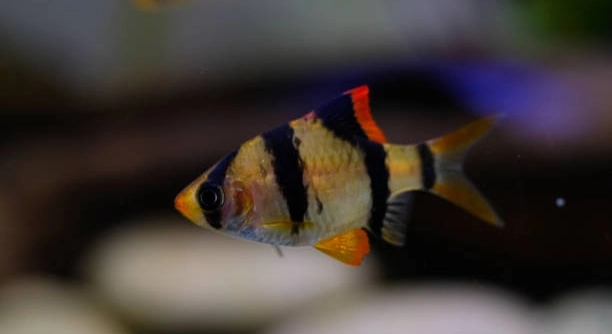
Tiger barbs are lively fish that sometimes get stressed or panicked in their tank environment. When they show signs of panic, it can affect their health and behavior. Knowing how to calm them down helps keep them happy and healthy.
Calming a panicked tiger barb involves creating a stable environment, minimizing sudden changes, and reducing stressors such as overcrowding or aggressive tank mates. Gentle handling and maintaining clean water conditions are also essential for restoring their calm state.
Understanding these simple steps can make a big difference in your tiger barb’s well-being. This guide will offer practical ways to help soothe your fish when they become distressed.
Create a Calm Environment
Tiger barbs feel safest in a stable and peaceful tank. Loud noises, sudden movements, or bright lights can easily startle them. To calm a panicked tiger barb, start by reducing disturbances near the tank. Keep the area quiet and avoid tapping on the glass. Dim the lighting slightly to make the fish feel less exposed. Adding plants or decorations can provide hiding spots that help them feel secure. Regularly checking water temperature and quality also keeps their environment comfortable. When fish feel safe in their space, panic reduces naturally.
A calm tank environment helps lower stress and encourages natural behavior in tiger barbs.
Having a consistent routine around the tank is important. Sudden changes like moving decorations or adding new fish can cause panic. Try to keep feeding times and maintenance on a regular schedule. Avoid overcrowding the tank because too many fish can increase tension. Clean water with proper filtration supports their health and reduces irritation. When all these factors come together, tiger barbs settle down and become less skittish. Watching them swim peacefully is a rewarding sign that your efforts are working.
Handle with Care
Handling tiger barbs roughly or too often can cause panic and injury. Use gentle movements when working near the tank to avoid startling them. If you need to move a fish, use a soft net and be slow. Quick or harsh actions can make their stress worse. It is best to limit direct handling unless necessary for health reasons.
Always avoid sudden changes in water during transfers to prevent shock.
When transferring tiger barbs for cleaning or health checks, prepare by matching the new water temperature closely with their current tank. Sudden shifts in temperature or water chemistry can worsen panic. Take time to acclimate them slowly, using a drip method if possible. Minimizing handling helps them stay calm and reduces risk of injury. Keeping stress low during these times promotes faster recovery. It also supports the fish’s immune system, helping them avoid disease triggered by panic or shock. Gentle care shows respect for your fish’s well-being and builds trust over time.
Monitor Water Quality
Poor water quality is a major stress factor for tiger barbs. Regular testing helps catch issues early. Keep ammonia, nitrite, and nitrate levels within safe limits. Frequent water changes remove toxins and keep the environment healthy.
Maintaining clean water reduces stress and prevents diseases that could cause panic. Use a reliable test kit to check water parameters weekly. Replace 20-30% of the water regularly to keep it fresh. Avoid overfeeding, as leftover food breaks down and harms water quality. Filtration is essential to remove waste and keep the tank clear. Clean gravel and decorations during water changes to prevent buildup. When water conditions are stable, tiger barbs feel more comfortable and less likely to panic.
Good water quality is one of the easiest ways to keep your tiger barbs calm. Proper care will help them thrive and show their natural behavior.
Avoid Aggressive Tank Mates
Aggressive fish can stress tiger barbs and trigger panic. Choose peaceful species to share the tank. Overcrowding makes aggression worse and increases stress for all fish.
Select tank mates that match tiger barbs in size and temperament. Avoid larger or overly territorial fish that may bully them. Keeping a balanced group prevents fights and helps fish feel secure. Provide enough space and hiding places to reduce conflict. When aggression is minimized, tiger barbs swim freely and relax. Watching a calm community of fish is more enjoyable and healthier for everyone. Maintaining peaceful relationships between fish is key to preventing panic.
Maintain Proper Tank Size
Tiger barbs need enough space to swim comfortably. A crowded tank causes stress and panic. A minimum of 20 gallons is recommended for a small group.
Providing ample room allows them to establish territories and reduces aggressive behavior.
Use Gentle Lighting
Harsh or bright lighting can startle tiger barbs and increase panic. Use soft, adjustable lighting to mimic natural conditions.
A gradual light schedule, with periods of dimmer light, helps fish feel secure. Avoid sudden changes in brightness to prevent stress.
Provide Hiding Spots
Tiger barbs feel safer when they have places to hide. Adding plants, rocks, or decorations creates shelter.
Hiding spots help reduce stress during times of panic. They give fish a place to retreat and recover in peace.
FAQ
Why does my tiger barb panic suddenly?
Tiger barbs may panic due to sudden changes in their environment, such as loud noises, rapid movements near the tank, or shifts in water quality. Overcrowding and aggressive tank mates can also trigger stress. Keeping a stable and calm environment helps prevent sudden panic episodes.
How can I tell if my tiger barb is panicking?
Signs of panic include frantic swimming, darting around the tank, hiding excessively, or rubbing against objects. These behaviors indicate stress or discomfort. Monitoring your fish’s usual behavior helps you spot changes quickly and take action to calm them down.
Can water temperature affect tiger barb behavior?
Yes, sudden changes or extremes in water temperature can stress tiger barbs and cause panic. Maintaining a stable temperature between 74°F and 79°F (23°C to 26°C) is important. Using a heater with a reliable thermostat can help keep conditions consistent.
Is it normal for tiger barbs to nip at each other?
Tiger barbs are naturally semi-aggressive and may nip fins, especially if stressed or overcrowded. Providing enough space, hiding spots, and calm tank mates reduces fin nipping. If it becomes excessive, it might be a sign of stress or poor tank conditions.
How often should I change the water to reduce stress?
Changing 20-30% of the water weekly is recommended. Regular water changes remove toxins and keep the environment stable. This helps reduce stress and prevents health problems that may cause panic. Avoid changing too much water at once to prevent sudden shifts.
What tank mates work best with tiger barbs?
Peaceful and similarly sized fish like danios, rasboras, or some tetras make good tank mates. Avoid slow-moving or long-finned fish that tiger barbs might nip. Choosing compatible species helps reduce aggression and keeps the tank calm.
Can feeding affect my tiger barb’s stress levels?
Yes, overfeeding can pollute the water and stress fish. Feed small amounts once or twice daily and remove uneaten food promptly. A balanced diet with high-quality flakes, pellets, and occasional live or frozen food supports their health and reduces stress.
Should I isolate a panicked tiger barb?
Isolation is not usually necessary unless the fish is injured or very sick. Instead, focus on improving tank conditions and minimizing stressors. In some cases, separating aggressive tank mates can help reduce panic in sensitive fish.
How long does it take for a panicked tiger barb to calm down?
Calming time varies depending on the cause of panic and tank conditions. With stable water, gentle care, and a peaceful environment, most tiger barbs begin to relax within hours to a few days. Consistent care promotes quicker recovery.
What can I do if my tiger barb continues to panic?
If panic persists despite good care, reassess the tank setup. Check water parameters, look for aggressive fish, and ensure proper tank size. Consulting a veterinarian or experienced aquarist may be necessary to address health issues or behavioral problems.
Final Thoughts
Taking care of tiger barbs means paying close attention to their needs and environment. These fish are active and social, but they can get stressed easily. A panicked tiger barb shows signs that something is not right in the tank. By keeping their water clean and stable, offering enough space, and avoiding sudden changes, you help your fish feel safe. Providing hiding spots and gentle lighting adds to their comfort. All these small actions together make a big difference in calming your tiger barbs.
Handling your fish with care is also important. Rough or frequent handling can cause panic and injury. When moving or checking your fish, be gentle and slow to reduce stress. Make sure the water temperature stays steady during any transfers. Aggressive tank mates or overcrowded tanks add extra pressure to your tiger barbs. Choosing peaceful companions and keeping enough room helps prevent fights and keeps the group calm. When fish feel secure and not threatened, they behave more naturally and stay healthier.
Remember that maintaining a peaceful environment takes ongoing effort. Regular water changes, monitoring water quality, and watching for signs of stress help you catch problems early. If your tiger barb still shows signs of panic after trying different steps, it may be time to ask for advice from a professional. With patience and good care, your tiger barbs can enjoy a stable, calm home. Watching them swim happily without fear is one of the most rewarding parts of keeping these lively fish.

Hello,
If you enjoy the content that we create, please consider saying a "Thank You!" by leaving a tip.
Every little bit helps us continue crafting quality advice that supports the health, happiness, and well-being of pets around the world, for pets of all shapes, sizes, and species.
We really appreciate the kindness and support that you show us!