
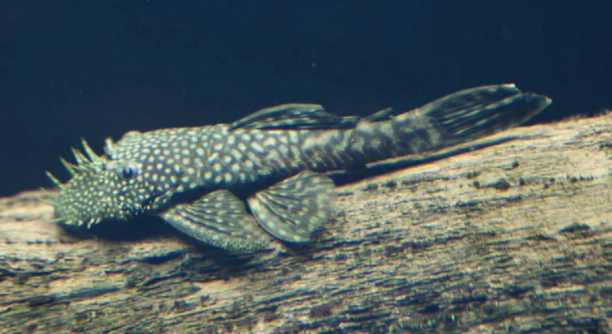
When bringing a new plecostomus into your aquarium, it’s common for them to feel stressed. These fish need specific care to adjust to their new environment quickly and comfortably. Knowing how to calm them can make a difference.
The best way to calm a new plecostomus is by maintaining stable water conditions, providing hiding spots, and avoiding overfeeding. Ensure proper water temperature, pH levels, and filtration to create a peaceful environment. These measures reduce stress and encourage faster adjustment.
Providing a suitable environment for your plecostomus can help it settle in quicker. Ensuring the right water conditions is crucial for its health and well-being.
Create a Safe and Comfortable Environment
A new plecostomus needs a secure place to feel at ease. The first step is ensuring your tank offers plenty of hiding spots. Rocks, driftwood, and caves help your fish feel protected and less stressed. These hiding places also mimic their natural habitat, making the plecostomus feel more at home. Stress can severely impact their health, so it’s essential to provide a peaceful environment.
Many plecostomus thrive in dark areas, especially during the first few days in a new tank. By adding plenty of plants or decorations, you can offer the fish the comfort it needs to adjust. A quiet, safe environment helps them de-stress.
Aside from hiding spots, make sure to keep the tank’s lighting low, as bright lights can stress out your plecostomus. Consistency in tank conditions helps them feel secure. Avoid disturbing them too much during the first few days as they need time to adjust. You can also try lowering the water flow if it’s too strong for them.
Maintain Proper Water Conditions
Maintaining proper water quality is key to calming your plecostomus. Regular testing of water parameters like pH, ammonia levels, and temperature ensures a stable environment. Water changes should be frequent, especially during the first few weeks, to keep your plecostomus comfortable.
Water quality plays a major role in reducing stress. Fish exposed to poor water conditions are likely to become sick or act erratically. You must regularly check the water’s ammonia, nitrate, and nitrite levels to avoid harmful imbalances. Consider using an aquarium filter to help maintain cleaner water and remove toxins.
Keeping the water temperature within the optimal range, usually between 75°F and 80°F, can help reduce stress levels. A proper heater and thermometer ensure the water temperature stays consistent. Sudden temperature fluctuations can cause stress and discomfort for your plecostomus. Keeping the tank clean and ensuring your fish have access to the right water quality helps them feel secure.
Avoid Overfeeding
Overfeeding is a common mistake when trying to calm a plecostomus. It can lead to poor water quality and stressed fish. Stick to a feeding schedule and provide only what they can consume in a few minutes.
Feeding your plecostomus too much can disrupt the water conditions. Uneaten food rots and causes ammonia spikes, which are harmful to the fish. It’s important to feed them once or twice a day, using high-quality food designed for bottom-dwelling fish. Overfeeding also causes unnecessary stress as the fish won’t be able to keep up with the excess food.
When feeding, ensure you’re using sinking pellets or algae wafers. These types of food provide nutrients and help keep the tank clean. It’s also crucial to monitor how much the plecostomus consumes. If there’s leftover food after a few minutes, remove it promptly. This keeps the water clear and reduces stress from poor water quality.
Provide Consistent Tank Lighting
Lighting has a major impact on the plecostomus. While they’re generally nocturnal, they still need a day-night cycle to feel secure. Consistent lighting helps maintain their natural rhythm, reducing anxiety.
Avoid using harsh, bright lights. Opt for soft, ambient lighting that doesn’t cause sudden changes. Sudden changes in lighting can disorient your plecostomus and cause stress. You might consider using a timer for your aquarium lights to ensure a predictable cycle. Consistent light and dark periods help the fish adapt to its new home and feel less threatened.
Too much light can interfere with the plecostomus’ natural behaviors, such as hiding or foraging. By providing a steady, low-intensity light source, you allow your fish to settle in. A good light cycle mimics their environment in the wild, helping them stay calm.
Keep the Tank Clean
A clean tank is essential for calming your plecostomus. Regular maintenance helps keep water conditions stable. Perform routine water changes and clean the substrate to avoid harmful build-ups that can stress the fish.
Proper tank cleaning involves removing debris, vacuuming the gravel, and ensuring the filter is functioning well. Clean tanks contribute to healthier water, which reduces stress and prevents diseases. It’s crucial to avoid overcleaning, though, as removing too many beneficial bacteria can upset the balance in the tank.
A proper cleaning routine should also include checking the water parameters frequently. By maintaining a clean environment, your plecostomus can feel more comfortable and focused on settling into its new habitat.
Avoid Tank Mates That Stress the Plecostomus
Plecostomus are peaceful fish, so it’s important to avoid aggressive tank mates. Fish that are too active or territorial can cause unnecessary stress.
Aggressive fish may chase or harass the plecostomus, preventing it from finding a hiding spot or feeding properly. This constant stress can lead to poor health and slower acclimation. Choose tank mates that are calm and won’t disturb your plecostomus.
Plecostomus can coexist with other peaceful species, such as tetras or rasboras. Avoid keeping them with overly territorial fish or ones that might compete for hiding spots. Ensuring peaceful coexistence is essential to their well-being.
Maintain a Stable Water Temperature
Water temperature plays a major role in calming your plecostomus. Keeping it consistent is key to reducing stress and promoting adjustment.
A fluctuating temperature can create instability, leading to stress and illness. Use an aquarium heater to maintain a steady water temperature. Check the temperature daily to ensure it stays within the optimal range, which is between 75°F and 80°F. Regular temperature monitoring prevents stress from sudden shifts.
The plecostomus will feel more secure when it can rely on a stable environment. Stability in temperature helps reduce anxiety, allowing the fish to focus on adapting to its new home rather than reacting to environmental changes.
FAQ
How long does it take for a plecostomus to adjust to a new tank?
It can take anywhere from a few days to several weeks for a plecostomus to fully adjust to a new tank. The process depends on the water conditions, tank environment, and how stressed the fish is. Providing stable conditions and a calm, quiet environment will help speed up the adjustment period. It’s important to give the plecostomus time to acclimate, especially if it’s their first time in an aquarium.
What should I do if my plecostomus is hiding all the time?
If your plecostomus is hiding a lot, it’s likely due to stress or an unfavorable environment. First, ensure the water conditions are optimal, as poor water quality can make them feel insecure. Make sure there are enough hiding spots, such as caves or plants, as plecostomus tend to feel safer in dark, secluded areas. If they are still hiding after adjusting to the tank, it may take some time for them to feel comfortable. Avoid disturbing them too much during this period.
Is it normal for my plecostomus to stop eating when first introduced to the tank?
Yes, it is normal for plecostomus to lose their appetite temporarily when they are first introduced to a new tank. This is usually due to stress or the time it takes for them to adjust. Ensure that the water temperature and conditions are stable, and avoid overfeeding, as uneaten food can worsen water quality. Once they become more comfortable, they will usually start eating again.
Can I keep plecostomus with other fish?
Plecostomus are generally peaceful and can be kept with many other species, especially those that are non-aggressive. However, they may not do well with overly territorial fish. They prefer calm, peaceful tank mates that won’t harass them or compete for food. Avoid housing them with species that might try to chase or nip at them. Fish like tetras, gouramis, and peaceful cichlids can make good tank mates.
How often should I clean the plecostomus’ tank?
Cleaning frequency depends on the tank size, the number of fish, and the filtration system. As a general rule, perform partial water changes of about 25% every 1-2 weeks. Also, vacuum the substrate to remove any debris and uneaten food that can cause poor water quality. Clean the filter every month to keep it functioning properly. Too frequent cleaning can disrupt the natural balance in the tank, so it’s important to find a good routine that keeps the water healthy without causing stress to the plecostomus.
Why does my plecostomus swim upside down or in unusual ways?
If your plecostomus is swimming upside down or exhibiting unusual movements, it could be a sign of stress or health issues. This may happen when the water quality is poor, or if the fish is not feeling secure in the environment. Ensure the water parameters are correct and provide plenty of hiding spots. If the unusual behavior persists, it could indicate a health problem such as swim bladder disease, and a visit to an aquarium specialist may be necessary.
How do I know if my plecostomus is stressed?
Signs of stress in a plecostomus include excessive hiding, loss of appetite, unusual swimming patterns, or even scraping against tank surfaces. A stressed plecostomus may also appear lethargic or swim erratically. It’s important to check water parameters regularly and ensure that the fish has plenty of hiding spots and a stable environment. Any changes in behavior should be taken seriously, as stress can lead to illness over time.
What temperature should the water be for a plecostomus?
Plecostomus thrive in water temperatures between 75°F and 80°F (24°C – 27°C). Keeping the temperature within this range helps to reduce stress and maintain their health. A stable water temperature is key, as sudden fluctuations can cause anxiety and potential health problems. A reliable aquarium heater can help keep the temperature consistent.
Can I feed my plecostomus vegetables?
Yes, plecostomus are primarily herbivores and enjoy a variety of vegetables. Some popular choices include zucchini, cucumber, and spinach. These can be blanched (lightly boiled) to soften them, making it easier for the plecostomus to eat. You can also feed algae wafers to supplement their diet. Make sure to remove any uneaten vegetables to prevent them from rotting in the tank and affecting water quality.
How do I know if my plecostomus is sick?
Signs of illness in plecostomus include lethargy, faded colors, swollen abdomen, or abnormal swimming behavior. They may also stop eating or exhibit odd behavior, like scraping their body against surfaces. If any of these symptoms appear, it’s important to assess the water quality immediately. If the conditions are fine and the behavior persists, consult an aquarium vet or specialist. Regular maintenance of tank conditions and a proper diet can help prevent many health issues.
Final Thoughts
Caring for a plecostomus requires attention to detail, especially when it comes to creating a stress-free environment. These fish are sensitive to changes in water quality, temperature, and their surroundings. It’s essential to keep the tank clean, maintain stable water conditions, and provide enough hiding spots. Stress can delay the adjustment process, so minimizing disturbances and ensuring a calm atmosphere will help your plecostomus feel more at ease. Over time, with proper care, your plecostomus will begin to settle into its new home and thrive.
Feeding habits also play a crucial role in their well-being. Plecostomus are herbivores, so offering a balanced diet that includes vegetables and algae-based foods will keep them healthy. While they may seem shy at first, it’s normal for them to take time to get used to their new environment. Be patient and avoid overfeeding, as leftover food can quickly degrade the water quality. Regularly check for uneaten food to prevent it from affecting the tank. A proper diet combined with a clean, stable tank will ensure your plecostomus thrives in the long term.
Lastly, it’s important to observe your plecostomus regularly for any signs of stress or illness. While they are generally hardy, plecostomus can still be vulnerable to poor water quality or aggressive tank mates. By maintaining the proper water conditions, providing suitable tank mates, and avoiding overstocking the tank, you can ensure your plecostomus remains healthy and happy. With a little patience and consistency, your plecostomus can adjust to its new home and live a long, healthy life.

Hello,
If you enjoy the content that we create, please consider saying a "Thank You!" by leaving a tip.
Every little bit helps us continue crafting quality advice that supports the health, happiness, and well-being of pets around the world, for pets of all shapes, sizes, and species.
We really appreciate the kindness and support that you show us!