
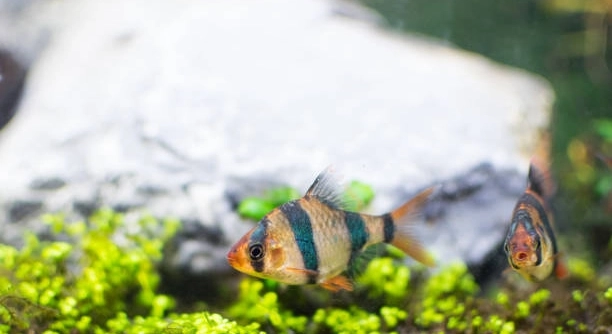
Hyperactive tiger barbs can disrupt the calm of an aquarium. Their constant movement and quick darting may make it hard to enjoy your tank’s peaceful atmosphere. Managing their energy helps create a balanced aquatic environment.
To calm a hyperactive tiger barb, it is essential to provide adequate space, maintain water quality, offer a varied diet, introduce compatible tank mates, create hiding spots, use proper lighting, and establish a consistent feeding schedule. These measures reduce stress and excessive activity.
These simple adjustments can greatly improve your fish’s behavior and overall well-being. Understanding each method will help maintain a peaceful and healthy aquarium environment.
Provide Adequate Space for Swimming
Tiger barbs are active swimmers that need plenty of room to move freely. A crowded tank can increase their stress and make them more hyperactive. Ideally, a tank should be at least 30 gallons for a small group of tiger barbs. This allows them enough space to swim without feeling confined. Overcrowding often leads to aggressive behavior and constant darting around the tank. Keeping the environment spacious helps to reduce these behaviors. Adding plants and decorations can break up the open areas, giving the fish spots to explore and rest. This creates a more balanced setting, encouraging calmer movement. Proper tank size and layout are key factors in managing their activity levels effectively.
Ensuring enough swimming space also supports the health of your fish. It lowers stress and helps them establish territories, which reduces constant chasing and frantic swimming.
Adding plants and decor to the tank gives tiger barbs places to hide and rest. This reduces their need to swim aggressively, helping them stay calmer. A spacious tank with good structure supports healthier behavior and less stress.
Maintain High Water Quality
Clean water is essential for the well-being of tiger barbs. Poor water quality can increase stress and cause erratic behavior. Regular water changes, around 25-30% weekly, help maintain optimal conditions. Testing water parameters like ammonia, nitrites, and nitrates ensures the environment remains safe. A properly sized filter supports stable water conditions by removing waste and toxins. Proper water temperature between 74-78°F keeps tiger barbs comfortable. Stable pH levels around 6.5-7.0 also contribute to their health. Monitoring and maintaining these conditions prevents stress-related hyperactivity. Clean water reduces the chances of illness, which can make fish more restless.
Regular maintenance of water quality is one of the easiest ways to keep your tiger barbs calm and healthy over time.
Consistently maintaining water quality requires weekly water changes and regular testing. Using a good filtration system supports these efforts by removing harmful substances and keeping water clear. Stable temperature and pH levels reduce environmental stress on the fish, helping to minimize excessive activity. Clean water not only improves behavior but also supports overall health, preventing diseases that may cause restlessness. Keeping these factors in check creates a more peaceful and natural environment for tiger barbs to thrive.
Offer a Varied Diet
A balanced diet helps reduce tiger barbs’ hyperactivity by providing necessary nutrients. Feeding them high-quality flakes, pellets, and occasional live or frozen foods keeps them healthy and satisfied.
Variety in their diet prevents boredom and ensures they get essential vitamins and minerals. Feeding small portions two to three times daily helps avoid overeating, which can cause digestive issues and agitation. Including live foods like bloodworms or brine shrimp stimulates natural hunting behaviors, which can calm their energy. Avoid overfeeding, as leftover food deteriorates water quality, leading to stress. Proper nutrition supports their immune system and overall behavior, making them less restless.
Incorporating different food types creates mental stimulation and fulfills dietary needs. A varied diet also helps tiger barbs maintain vibrant colors and strong health, contributing to a calmer and more balanced temperament in the tank.
Introduce Compatible Tank Mates
Choosing the right tank mates helps spread activity levels and reduces stress in tiger barbs. Avoid overly aggressive or very slow species that may provoke or intimidate them.
Good companions include fast-moving or similarly sized fish like danios, barbs, or certain tetras. These species keep pace with tiger barbs, preventing dominance or bullying. Keeping tiger barbs in groups of at least six also lowers aggression and hyperactivity by distributing attention and establishing social order. Proper tank mate selection reduces chasing and territorial disputes, calming the overall atmosphere. Avoid fin-nippers or highly territorial species to maintain peace. Observing behavior regularly helps catch any signs of stress or aggression early.
Introducing suitable tank mates creates a balanced community tank. When combined with adequate space and care, this supports calmer, healthier fish behavior.
Create Hiding Spots
Hiding spots reduce stress and help tiger barbs feel secure. They use these areas to rest and escape when feeling threatened.
Plants, rocks, and decorations can serve as good hiding places. These elements break up the tank and provide shelter, which helps calm the fish.
Use Proper Lighting
Lighting influences tiger barbs’ activity levels. Too much bright light can increase their hyperactivity and stress.
Using dimmer or adjustable lighting mimics natural conditions and encourages calmer behavior. A regular day-night cycle supports their natural rhythms and overall health.
Establish a Consistent Feeding Schedule
Feeding tiger barbs at the same times daily helps regulate their behavior. Predictable feeding times reduce anxiety and frantic searching for food.
Consistent routines provide structure, which helps lower excessive activity. It also promotes healthy digestion and better nutrient absorption. Regular feeding reduces stress-related hyperactivity and supports overall well-being.
How can I tell if my tiger barb is too hyperactive?
A tiger barb showing excessive darting, constant chasing of tank mates, and frequent rapid movements indicates hyperactivity. These behaviors can lead to stress or injury in the fish and disturb the tank’s balance. Watch for signs such as fin damage or frequent hiding, which suggest stress from too much activity.
What causes hyperactivity in tiger barbs?
Hyperactivity is often caused by stress factors like overcrowding, poor water quality, insufficient hiding spots, or inconsistent feeding. Bright lighting or incompatible tank mates can also increase their energy. Addressing these causes helps reduce their restless behavior and promotes calmer swimming.
Can tank size really affect their activity level?
Yes, a small tank limits swimming space and causes stress. Tiger barbs need at least 30 gallons for a small group. Adequate space reduces aggression and allows natural movement, lowering hyperactive tendencies.
Are tiger barbs aggressive by nature?
Tiger barbs have semi-aggressive behavior. They can nip fins and chase other fish, especially when stressed or overcrowded. Keeping them in groups and providing enough space helps minimize aggression and excessive activity.
How often should I change the water to keep them calm?
Weekly water changes of 25-30% maintain clean, healthy water. This reduces toxins and stress, which are common triggers of hyperactivity. Regular maintenance is essential for stable conditions and calmer fish.
What foods help calm tiger barbs?
A balanced diet with high-quality flakes or pellets plus occasional live or frozen foods like bloodworms helps meet nutritional needs and reduces boredom. Avoid overfeeding, which can cause water issues and stress.
Can adding plants help with hyperactivity?
Yes, live or artificial plants provide hiding spots and break up open space. This creates a sense of security and reduces constant swimming, helping tiger barbs to calm down.
Is lighting important in controlling their energy?
Proper lighting mimics natural day-night cycles and prevents overstimulation. Dimmer or adjustable lights help keep fish calmer, while bright lighting can increase activity and stress.
How many tiger barbs should be kept together?
Keeping tiger barbs in groups of six or more spreads out aggression and reduces chasing. Small groups tend to show more stress and hyperactivity due to social pressure.
What tank mates are best for tiger barbs?
Fast-moving, similarly sized fish like danios or certain tetras work well. Avoid slow or overly aggressive species, which may provoke stress or bullying and increase hyperactivity.
Can inconsistent feeding times make tiger barbs more active?
Yes, irregular feeding causes anxiety and frantic behavior as fish search for food. Establishing a consistent schedule helps reduce this stress and keeps their activity more controlled.
Do temperature changes affect their behavior?
Sudden or extreme temperature changes can stress tiger barbs, leading to hyperactivity. Keeping water stable between 74-78°F supports calm and healthy behavior.
Will overcrowding always cause hyperactivity?
Overcrowding often causes stress and increased aggression, making fish more active and restless. Providing enough space is critical to avoid these issues.
How long does it take for a tiger barb to calm down after changes?
Adjustment time varies but generally takes several days to a week. Consistent care and environment improvements help fish settle into calmer behavior gradually.
Can stress from illness cause hyperactivity?
Yes, sick fish may behave erratically or swim excessively. Maintaining water quality and monitoring for signs of illness are important to prevent this behavior.
Is it helpful to rearrange the tank to reduce hyperactivity?
Rearranging decor or adding hiding places can reduce boredom and stress. However, frequent changes might cause temporary stress, so keep adjustments minimal and gradual.
Does the color of the tank background or decor influence activity?
A darker background can reduce stress by creating a more natural environment, encouraging calmer behavior. Bright or reflective surfaces might increase agitation.
Can tiger barbs calm down with age?
Some fish become less active as they mature, but proper care and environment remain crucial to prevent hyperactivity throughout their life.
What signs show my efforts to calm them are working?
Reduced chasing, calmer swimming, less fin damage, and more resting in hiding spots indicate improvements. Observing these changes means your tank is becoming a better habitat.
Are there any supplements that help reduce hyperactivity?
While no supplements specifically target hyperactivity, maintaining a balanced diet with vitamins supports overall health and resilience, indirectly helping behavior.
Managing the behavior of hyperactive tiger barbs requires consistent care and attention to their environment. These fish are naturally energetic, but certain factors can increase their activity to stressful levels. Providing adequate space in the tank is essential. A roomy aquarium allows them to swim freely and reduces aggressive chasing. Overcrowding should be avoided to minimize stress and excessive movement. Along with space, maintaining clean water is a key factor in keeping tiger barbs calm. Regular water changes and good filtration ensure the water quality supports their health. Poor water conditions can cause discomfort and lead to restless behavior. Establishing a stable environment helps the fish feel secure and lowers their activity.
Diet also plays an important role in managing hyperactivity. Offering a varied and balanced diet keeps tiger barbs healthy and satisfied. Feeding them high-quality flakes or pellets along with occasional live or frozen foods provides necessary nutrients and mental stimulation. Overfeeding or inconsistent feeding times can contribute to stress and increased activity. Sticking to a regular feeding schedule helps the fish stay calm and focused. Creating hiding spots with plants and decorations gives tiger barbs places to rest and feel safe. This breaks up the tank space and reduces constant swimming. Proper lighting that mimics natural day and night cycles further supports calmer behavior by avoiding overstimulation.
Choosing the right tank mates helps balance the activity level within the aquarium. Compatible fish species that match the energy and size of tiger barbs prevent bullying and reduce stress. Keeping tiger barbs in groups of six or more spreads aggression and promotes social harmony. When combined with all these care methods, these practices create a more peaceful and healthy environment. Understanding how each factor affects tiger barb behavior allows for better management of their energy. Taking small, consistent steps to improve their habitat will result in calmer, happier fish.

Hello,
If you enjoy the content that we create, please consider saying a "Thank You!" by leaving a tip.
Every little bit helps us continue crafting quality advice that supports the health, happiness, and well-being of pets around the world, for pets of all shapes, sizes, and species.
We really appreciate the kindness and support that you show us!