
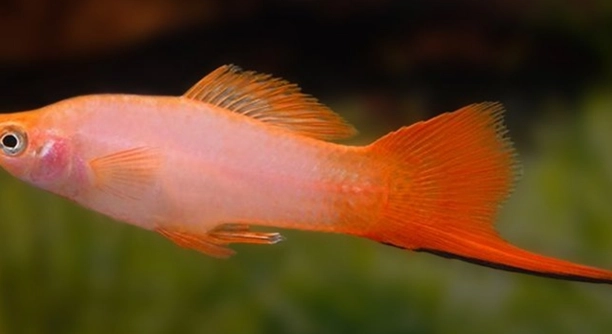
Building trust with your swordtail can lead to a stronger bond between you and your fish. Understanding their needs and behaviors is essential for creating a healthy and comfortable environment. A trusting relationship can enhance their well-being.
To build trust with your swordtail, consistency, patience, and proper care are key. Offering a balanced diet, maintaining a clean tank, and providing a calm environment will help foster trust. Regular observation and gentle interaction can also strengthen this bond.
Understanding your swordtail’s behavior and environment can help you create a positive and trusting relationship. These simple steps will not only improve their health but also deepen your connection with them. Keep reading to find out how!
Create a Consistent Feeding Schedule
One of the best ways to build trust with your swordtail is by providing a consistent feeding schedule. Swordtails, like most fish, appreciate regular meal times. This creates a sense of security, as they begin to associate you with food. You should feed your swordtail at the same times every day and avoid overfeeding, which can lead to poor water quality. If you feed them at set times, your swordtail will start looking forward to seeing you and will be less stressed in the tank. It’s important to choose high-quality food to ensure they stay healthy.
By feeding at consistent times, you give your swordtail the routine it craves. This makes it easier for them to trust you because they know when to expect their meals.
Providing a balanced diet, like flake food, frozen or live options, is also essential. Swordtails need a variety of nutrients to thrive. When feeding, make sure not to give them too much at once. They are small fish and can only consume so much, so overfeeding can lead to water pollution. Regular water changes also help maintain water quality, ensuring your swordtail remains healthy and happy.
Keep the Tank Clean and Stable
A clean, stable environment is crucial to your swordtail’s health and trust. Regularly changing the water and cleaning the tank will keep your swordtail’s habitat safe and comfortable. Swordtails are sensitive to changes in water quality and can become stressed in dirty or fluctuating conditions. Keeping the tank clean shows your swordtail that you care for their home and helps build their trust. A stable water temperature also contributes to a stress-free environment, which is important for establishing a bond.
A clean environment will reduce stress and prevent illness. Swordtails appreciate this consistency.
To ensure stability, check the water regularly for ammonia, nitrate, and nitrite levels. Using a reliable water filtration system will help maintain quality. Avoid drastic changes in water temperature, as swordtails prefer stability. They thrive best in temperatures between 72°F and 82°F. Keeping the water parameters stable makes your swordtail feel more secure and less fearful of sudden changes. Stability in their surroundings allows them to relax and build trust over time.
Avoid Sudden Movements Near the Tank
Swordtails can get easily startled by sudden movements around their tank. When you move too quickly or make loud noises, it can frighten them and cause unnecessary stress. They might hide or swim erratically as a response. Over time, this can damage the trust you’re trying to build. Try to move slowly and calmly around their tank, especially when feeding or cleaning. This helps your swordtail feel more at ease, knowing that you’re not a threat.
Building trust means minimizing their fear. Over time, your swordtail will begin to recognize that you are not a danger.
To make your swordtail feel more comfortable, avoid banging on the tank or making sudden gestures near the glass. Approach the tank calmly and keep a steady pace when interacting with them. Swordtails can sense the rhythm of your actions, and consistent, calm behavior will help them trust you more. They may even swim toward you over time, showing more interest and confidence in your presence.
Offer Hiding Spots in the Tank
Swordtails, like many fish, need places where they can hide and feel secure. Having plants, decorations, or caves in their tank allows them to escape from stressful situations and relax. These hiding spots act as a refuge, providing them with control over their environment. When swordtails feel they have a place to retreat, they are less likely to feel threatened and will be more willing to interact with you.
Providing a hiding spot shows your swordtail you understand its need for safety.
Add plants or aquarium ornaments to give your swordtail choices. They’ll appreciate being able to hide when feeling stressed or tired. Make sure the hiding spots are easily accessible but offer enough space for them to feel protected. You should also keep the tank setup varied with areas of open space and places with more cover. Swordtails will come out to explore and interact once they feel safe enough to do so. The more secure they feel, the easier it will be to build trust over time.
Keep the Water Temperature Consistent
Swordtails prefer a stable water temperature, and sudden changes can cause stress. Use a reliable aquarium heater to maintain a consistent range, ideally between 72°F and 82°F. If the water fluctuates too much, your swordtail may become uneasy or even ill. Regularly check the temperature to ensure comfort.
Consistent water temperature helps swordtails thrive, reducing stress.
When swordtails experience unstable water temperatures, they may become lethargic or avoid eating. This creates tension and can interfere with their trust-building. Ensuring that the water remains at a steady temperature encourages your fish to remain active and healthy. Regularly monitor the temperature to avoid drastic shifts.
Interact with Your Swordtail Regularly
Regular, gentle interaction encourages trust. While swordtails aren’t as social as some other species, they can still form a bond with their owners through positive encounters. Feeding them by hand or lightly tapping on the glass can draw their attention. Over time, they will associate you with care and safety.
Spending consistent time near the tank strengthens your relationship.
Even if your swordtail is shy at first, frequent interaction will help them get used to your presence. You don’t need to force them to engage; let them come to you at their own pace. The more calm and gentle the interaction, the more comfortable they will become.
FAQ
How can I tell if my swordtail trusts me?
You can usually tell if your swordtail trusts you by observing its behavior. If they swim toward you when you approach the tank, they’re likely comfortable and starting to recognize you as a source of care. Additionally, they may become more active or even show curiosity when you’re nearby. On the other hand, if they swim away or hide every time you approach, it’s a sign they might be feeling stressed or unsure. Gradually, as you build trust, these signs will shift.
How long does it take for a swordtail to trust its owner?
The amount of time it takes for a swordtail to trust you depends on the individual fish and how consistent you are in your care. It could take anywhere from a few days to a couple of weeks for them to feel more comfortable with you. Swordtails are generally resilient and adaptable, so with consistent positive interaction, they will begin to recognize you as a non-threatening presence. Be patient, as every fish is different.
Can swordtails bond with other fish in the tank?
Yes, swordtails can form bonds with other fish in the same tank. However, they are generally peaceful and may be more focused on their environment than on other fish. Swordtails typically get along with species that share similar care needs. If you introduce new fish, it’s important to monitor them closely to ensure they don’t feel threatened or become aggressive. A well-balanced tank with other peaceful species can encourage your swordtail to relax and feel secure.
Should I handle my swordtail to build trust?
Swordtails are not typically pets you can handle like a dog or cat. While handling might seem like a way to bond, it can actually cause more stress for your fish. Instead, focus on offering a calm, consistent presence and regular interactions like feeding or gently tapping the tank. This helps your swordtail feel safe and secure. Avoid trying to pick them up or disturb their space too often. Interacting with them in a non-invasive way will build trust over time.
What are the signs that my swordtail is stressed?
Stress in swordtails can manifest in a variety of ways. If your swordtail starts hiding more often, swimming erratically, or rubbing against tank decorations, these are signs that it may be feeling stressed. Changes in their color, reduced appetite, or lethargy can also indicate stress. It’s important to assess their environment, such as water quality and tank mates, to pinpoint potential causes. Stress can impact your swordtail’s health, so addressing it quickly is essential to prevent any long-term issues.
What should I do if my swordtail is not eating?
If your swordtail isn’t eating, first check the water conditions. Poor water quality or fluctuations in temperature can affect their appetite. Make sure the water is clean, with proper filtration, and that the temperature is within the right range. If the environment is suitable and your swordtail still isn’t eating, try offering different types of food. Some swordtails prefer live or frozen food over flakes. If the issue persists, consider consulting an aquarium specialist to rule out health concerns.
Can swordtails be kept with other fish?
Swordtails are generally peaceful fish that can coexist well with other similar-sized, non-aggressive species. They can live with other community fish like tetras, guppies, or mollies. However, avoid housing them with overly aggressive fish, as this can cause stress. When introducing new tank mates, make sure they have similar temperature and water quality requirements to avoid creating a stressful environment for your swordtail. It’s also important to make sure your tank is large enough for everyone to have enough space.
How often should I change the water for my swordtail?
Regular water changes are essential for the health of your swordtail. A general rule is to change about 25% of the water every two weeks. However, if you have a heavily stocked tank or the water appears cloudy, you may need to change more frequently. Keeping the water clean is crucial for preventing disease and ensuring your swordtail remains comfortable. Always test the water for harmful levels of ammonia, nitrites, and nitrates before doing a water change.
Is it necessary to add aquarium plants for my swordtail?
While aquarium plants aren’t absolutely necessary for swordtails, they are highly beneficial. Plants provide natural hiding spots, which can help reduce stress and give your swordtail a sense of security. They also help improve water quality by absorbing excess nutrients. Swordtails appreciate the additional cover, and plants can make the environment feel more natural for them. However, be sure to choose plants that are compatible with your tank setup and won’t interfere with the swordtail’s space.
How can I tell if my swordtail is healthy?
A healthy swordtail should be active, with bright, vibrant colors and smooth, unblemished scales. They should swim around the tank without difficulty and eat regularly. If your swordtail becomes lethargic, loses color, or shows signs of disease, such as white spots or lesions, this could indicate an issue. Healthy swordtails are curious and responsive to their environment. Regular water changes, a balanced diet, and proper tank conditions will help keep them in good health. If you notice unusual behavior, consult an aquarium specialist promptly.
Final Thoughts
Building trust with your swordtail takes time, patience, and consistent care. They may not bond with you as quickly as other pets, but with the right environment and attention, you can foster a trusting relationship. Start by creating a stable and safe environment. Clean water, consistent feeding, and proper tank conditions are the foundation for a healthy fish. If you provide the basics and avoid sudden changes, your swordtail will begin to feel more comfortable around you.
It’s also important to understand your swordtail’s behavior and what they need to feel secure. Swordtails, like most fish, can become stressed by sudden movements, loud noises, or changes in their environment. By keeping a calm presence near the tank and interacting gently, you can avoid causing stress. Offering hiding spots and plants in the tank will help your swordtail feel more secure, as they can retreat to a quiet spot when they need rest. These small steps can help your fish build trust over time, making it easier to bond with them.
Remember that every swordtail is different, and they may take varying amounts of time to adjust. While some may warm up to you quickly, others may take longer. Don’t be discouraged if your swordtail is initially shy or distant. Keep providing consistent care and positive interactions, and with patience, you’ll eventually see signs of trust. Creating a calm, stable environment and respecting their space will help your swordtail feel safe, which is the first step in building a strong bond with them.

Hello,
If you enjoy the content that we create, please consider saying a "Thank You!" by leaving a tip.
Every little bit helps us continue crafting quality advice that supports the health, happiness, and well-being of pets around the world, for pets of all shapes, sizes, and species.
We really appreciate the kindness and support that you show us!