
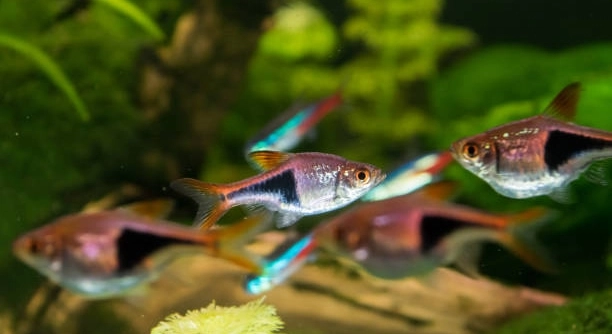
Many people enjoy keeping rasboras because of their lively behavior and bright colors. Watching them swim gracefully can be calming, yet building a genuine connection with them requires patience and care over time.
Building trust with rasboras involves consistent feeding routines, gentle movements around the tank, maintaining stable water conditions, and providing hiding spaces. Regular interaction without sudden disturbances encourages familiarity, allowing the fish to feel secure and gradually recognize their caregiver.
Following these simple practices can strengthen the bond between you and your rasboras, ensuring a healthier, happier, and more responsive aquatic environment.
Consistent Feeding Schedule
Rasboras quickly learn routines, so feeding them at the same time each day helps them feel secure. I always prepare their food in advance to avoid rushing and causing stress. Watching them gather eagerly when it’s time to eat shows they recognize the pattern. Over time, they begin associating my presence with mealtime. Using small portions several times a day prevents overeating and keeps the tank cleaner. I find that mixing flake food with occasional live or frozen options keeps them healthy and engaged. Consistency in feeding not only improves their health but also builds trust. They start swimming closer during feeding, showing signs of comfort. Maintaining this schedule has made my rasboras calmer and more interactive, which makes caring for them more enjoyable. Observing their behavior after meals helps me notice any health issues early, ensuring they remain active and happy.
Regular feeding routines strengthen trust and reduce stress in rasboras, helping them feel more secure around their caretaker.
Following a structured feeding pattern ensures that rasboras are nourished without overfeeding. Small, frequent meals match their natural habits, promoting steady growth and maintaining clean water conditions. Over time, fish respond positively to consistent routines, swimming closer to the tank’s front and showing less fear when approached. Combining flake, frozen, or live foods keeps their diet varied and appealing. A predictable schedule helps them recognize human presence as non-threatening, forming the foundation for trust. I noticed that once my rasboras became familiar with this routine, they were more willing to explore the tank while I was near. Maintaining consistency in feeding times also allows for easier monitoring of each fish’s health. Any sudden changes in appetite or behavior are quickly noticed, helping me act promptly. Overall, patience and routine in feeding play a crucial role in creating a trusting and comfortable environment for these small, lively fish.
Gentle Movements Around the Tank
Moving slowly near the tank prevents startling rasboras and encourages them to feel safe around you.
Sudden motions or tapping on the glass often frighten the fish. By approaching the tank calmly, they start to associate human presence with safety rather than danger. I usually move my hands slowly when cleaning or feeding, giving them time to adjust. Over weeks, I observed that they would swim closer instead of hiding at the first sight of movement. Even routine maintenance becomes an opportunity to strengthen trust. This calm approach reduces stress, which is essential for their health, and encourages natural behavior. Once rasboras feel comfortable with gentle movements, they become more interactive, exploring their surroundings freely and responding to my presence. Creating a predictable, calm environment shows them that they are safe, building a foundation of trust that lasts over time.
Providing Hiding Spots
Rasboras feel more secure with places to hide. I use plants, small caves, and decorations, giving them options to retreat when needed.
Having multiple hiding spots reduces stress and encourages natural behavior. I noticed my rasboras explore more freely when they know a safe area is nearby. Dense plants and decorations offer protection while letting them observe the tank without feeling exposed. Hiding areas also support timid or new fish, helping them adjust without fear. Over time, these secure spaces become essential for maintaining a calm environment. My fish often dart into these spots when startled, then return quickly once they feel safe. Providing a variety of hiding options encourages confident swimming and overall healthier behavior, creating a more balanced tank environment. These spaces also help reduce aggression between fish, giving everyone a safe place to rest.
Hiding spots encourage comfort, reducing fear and promoting active exploration in rasboras. They learn to trust their environment when safety is always nearby.
Regular Tank Maintenance
Clean water is vital for trust and health. I monitor water conditions and change it regularly to keep the tank safe.
Rasboras are sensitive to changes in water quality, which can stress them and affect behavior. I test parameters like pH, ammonia, nitrite, and nitrate weekly, making small adjustments as needed. Regular partial water changes prevent toxins from building up and maintain a stable environment. I use a gentle siphon to clean the substrate without disturbing plants or fish. Filters are cleaned carefully to avoid removing beneficial bacteria. Maintaining clear, stable water has improved my rasboras’ activity and willingness to swim near me. They appear more vibrant and show less fear during daily interactions. Proper tank care fosters trust because the fish associate the environment with comfort rather than sudden, harmful changes. Observing them in clean water also allows me to notice any health issues early.
Consistency in tank maintenance builds trust by creating a reliable, safe environment where rasboras can thrive without fear or stress.
Calm Lighting
Rasboras feel safer with gentle, consistent lighting. I keep the lights on a timer to mimic natural day and night cycles.
Bright or sudden lighting can stress them, causing hiding or erratic swimming. Soft lighting helps them relax and trust the environment, making interactions smoother.
Gentle Hand Feeding
Offering food by hand slowly encourages rasboras to approach without fear. I lower my fingers into the water and remain still, letting them investigate.
Over time, they start recognizing my hand as a source of food rather than a threat. I noticed they swim closer and nibble gently when I stay calm. Hand feeding also allows me to observe their behavior closely, ensuring each fish is healthy and active. This method requires patience but strengthens trust and creates a more interactive tank experience, as the fish gradually associate my presence with positive outcomes.
Avoid Sudden Noises
Loud sounds near the tank frighten rasboras. I keep the area quiet to help them stay calm and comfortable.
FAQ
How long does it take for rasboras to trust me?
Trust develops gradually, often over several weeks. I noticed my rasboras began responding to my presence within two to three weeks of consistent feeding, gentle movements, and calm interactions. Each fish adapts at its own pace, so patience is key.
Can I touch my rasboras directly?
Direct contact is not recommended. Rasboras have delicate scales and skin, which can be easily damaged. Instead, I interact using slow hand movements above or near the water surface. Over time, they recognize my hand as non-threatening, which encourages feeding and swimming nearby.
Is tank size important for trust?
Yes, tank size influences comfort levels. I use a tank with enough space for swimming and hiding spots. A cramped tank can make rasboras stressed and less willing to approach. Proper space allows them to feel safe and explore naturally.
What type of food helps build trust?
Small, frequent portions of flake, frozen, or live foods are best. I mix their diet to keep them interested and healthy. Offering food by hand slowly encourages them to come closer and associate me with positive experiences.
How often should I clean the tank?
Regular cleaning is essential. I perform partial water changes weekly and monitor ammonia, nitrite, nitrate, and pH levels. Clean water reduces stress, prevents illness, and creates a reliable environment, which helps rasboras feel secure and more willing to interact.
Do decorations really help with trust?
Yes, hiding spots and plants are essential. I include caves and dense plants to provide security. When rasboras have safe retreats, they explore more confidently and approach my presence without fear, showing signs of comfort and curiosity.
What about lighting?
Gentle, consistent lighting helps rasboras feel secure. I keep a timer for day and night cycles. Sudden changes or bright lights can frighten them, while soft lighting encourages calm behavior and increases their willingness to swim near me.
How should I approach the tank?
Slow, deliberate movements are key. I avoid sudden gestures and keep my hands steady during feeding or maintenance. Rasboras start to recognize me as non-threatening, reducing hiding behavior and improving interaction.
Can noise affect trust?
Yes, loud or sudden noises stress rasboras. I keep the area around the tank quiet. Reduced disturbances make them feel safer and more likely to explore or approach me. Trust builds when the environment is predictable and calm.
What is the best way to observe their behavior?
I watch them from a distance at first, noting swimming patterns and reactions. Gradually, I move closer while remaining still. Observing calmly allows me to detect stress, health issues, or feeding preferences while reinforcing a sense of safety and trust.
How do I know if my rasboras are comfortable with me?
Signs include swimming near you during feeding, reduced hiding, and relaxed movements. I noticed my rasboras linger around my hand and explore when I am close, showing they recognize me as non-threatening and associate my presence with safety.
Can trust reduce aggression among rasboras?
Yes, a calm, secure environment lowers stress-related aggression. Providing hiding spots, gentle interactions, and consistent care encourages cooperation and reduces chasing or nipping, creating a more peaceful tank dynamic overall.
Is patience really necessary?
Absolutely. I learned that sudden expectations can stress rasboras. Consistency, calm behavior, and gentle feeding over time are essential. Each fish adapts at its own pace, so steady effort builds long-lasting trust without causing fear or harm.
How does trust impact health?
Trust reduces stress, which improves immune function and overall behavior. I noticed healthier scales, brighter colors, and more active swimming in rasboras that are comfortable with my presence, showing that emotional comfort directly affects physical well-being.
Can multiple rasboras trust me equally?
Individual personalities matter. Some approach quickly, while others remain cautious. I give extra attention to shy fish with calm movements and gradual hand feeding. Over time, even the more reserved rasboras learn to feel safe and responsive.
Are there signs of lost trust?
Yes, hiding constantly, frantic swimming, or refusing food can indicate lost trust or stress. I check water quality, feeding routines, and tank disturbances if this happens. Returning to calm interactions and routine helps restore confidence over time.
Should I interact daily?
Daily interaction reinforces trust. I spend a few minutes each day near the tank, feeding or moving gently. Consistent attention helps rasboras recognize my presence as non-threatening and increases their willingness to approach and explore.
What role does temperature play?
Stable water temperature is crucial. I monitor it closely to prevent fluctuations. Sudden changes can stress rasboras, making them hide and reducing their responsiveness. Consistent warmth encourages natural activity and positive interactions.
Can other fish affect trust with rasboras?
Yes, tank mates influence comfort. Aggressive or large fish can stress rasboras. I carefully select peaceful companions to ensure they feel secure, making it easier for them to build trust with me.
How long should I wait between changes in routine?
I introduce changes gradually. Sudden shifts in feeding, cleaning, or lighting can stress rasboras. Small, predictable adjustments help them adapt while maintaining trust, showing that the environment is safe and consistent.
What is the most effective way to build lasting trust?
Patience, consistency, and gentle care are key. I combine calm feeding, soft lighting, safe hiding spots, and minimal stress. Over time, these practices make rasboras confident, interactive, and healthier, showing that trust develops through steady, thoughtful attention and care.
Building trust with rasboras is a gradual process that requires patience and consistency. These small fish are sensitive to changes in their environment, and even minor disturbances can make them nervous or hesitant. I learned that keeping a steady routine helps them feel secure. Feeding them at the same times each day, maintaining clean water, and providing hiding spots all contribute to their sense of safety. When they know what to expect, they start to respond more calmly and become comfortable in their surroundings. Over time, I noticed my rasboras swimming closer when I approached the tank and even exploring areas they once avoided. This steady trust makes caring for them much more rewarding because they become more relaxed and easier to observe.
Gentle interactions are just as important as a consistent environment. I make sure to move slowly around the tank and avoid sudden gestures, which can startle them. Even small details, like turning on the light gradually or lowering my hand slowly during feeding, make a difference. Rasboras respond positively when they feel safe and unthreatened. Hand feeding is a great way to encourage them to come closer, but it has to be done with care. I found that patience is key. By remaining calm and giving them space to adjust, they gradually associate my presence with positive experiences like food or safety. Over time, this careful approach creates a bond of trust that makes the tank feel more alive and interactive.
Trust also improves the overall health and behavior of the fish. Stress-free rasboras are more active, show brighter colors, and are less prone to illness. I noticed that once my fish felt secure, they explored more, interacted with each other, and exhibited natural behaviors more often. Providing hiding spots and maintaining stable water conditions are simple steps that have a big impact. Even minor adjustments, like ensuring consistent lighting or reducing noise around the tank, contribute to a calm environment. Building trust is not just about getting the fish to come closer; it is about creating a safe and reliable habitat where they can thrive. With patience and consistent care, rasboras become confident, interactive, and healthy, making the experience of keeping them much more enjoyable.

Hello,
If you enjoy the content that we create, please consider saying a "Thank You!" by leaving a tip.
Every little bit helps us continue crafting quality advice that supports the health, happiness, and well-being of pets around the world, for pets of all shapes, sizes, and species.
We really appreciate the kindness and support that you show us!