
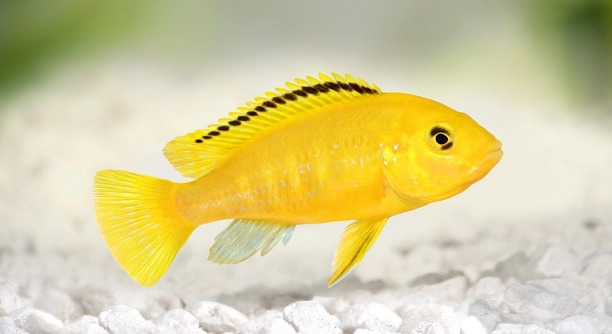
Are your cichlids constantly fighting over territory in their aquarium? Creating natural dividers can help reduce aggression and provide a more peaceful environment. These dividers also add visual interest and mimic their natural habitat effectively.
Building natural dividers in a cichlid aquarium involves using rocks, driftwood, plants, and other structures to create separate zones. These dividers help reduce territorial disputes, encourage natural behaviors, and maintain a balanced and visually appealing aquatic environment.
Implementing these strategies can transform your aquarium into a calmer, more organized space. Each method contributes to the well-being of your cichlids and the overall harmony of their habitat.
Using Rocks to Create Zones
Rocks are one of the easiest ways to divide space in a cichlid aquarium. Arranging them carefully can give each fish its own territory and reduce fighting. Flat stones can form ledges and hiding spots, while taller rocks can act as visual barriers. Make sure rocks are stable and won’t topple over, as unstable rocks can harm fish or damage the tank. Using rocks with natural textures also adds realism and allows cichlids to feel secure. Positioning rocks near corners or along the tank edges works well to break up open swimming areas. Avoid sharp edges to prevent injuries. By combining rocks of different shapes and sizes, you can create a layered habitat. Some cichlids enjoy digging, so leave space around the base to allow this behavior. Rock arrangements should balance aesthetics and function, ensuring fish have enough swimming space while maintaining separate zones.
Rocks not only divide space but also enhance the tank’s natural appearance, giving cichlids areas to explore safely.
Proper rock placement encourages natural behavior and reduces stress. Using a variety of stones can create tunnels, caves, and private corners, keeping fish active and calm while maintaining a visually appealing setup.
Incorporating Driftwood
Driftwood is an effective natural divider that also releases tannins, slightly lowering water pH. It creates shaded areas that fish use for shelter and territory. Placing driftwood strategically can split the tank into smaller sections while maintaining an organic look. It is important to rinse driftwood thoroughly and soak it before adding it to the aquarium to prevent discoloration or unwanted debris. Some driftwood types may float initially, so weighing them down until they sink fully is necessary. Combining driftwood with rocks or plants can further enhance division, creating complex areas for exploration. Driftwood also provides surfaces for beneficial bacteria, contributing to a healthier environment. Fish can hide behind or swim around it, making it easier to separate aggressive individuals. Regular inspection ensures the wood remains safe and doesn’t leach too much tannin. Using driftwood thoughtfully helps simulate natural cichlid habitats while promoting a calm, organized tank space.
Driftwood can transform open areas into secure zones, providing comfort and reducing territorial conflicts. Its natural appearance adds depth and texture.
Using Tall Plants as Natural Dividers
Tall plants provide vertical separation in the aquarium and offer hiding spots for shy cichlids. They can break line of sight between aggressive fish and create a sense of security. Fast-growing species like Vallisneria or Amazon swords are ideal for filling open spaces effectively.
Planting tall species along the tank’s perimeter or in clusters creates clear boundaries. These plants not only act as visual barriers but also improve water quality by absorbing excess nutrients. Cichlids can swim around and between plant stems, allowing them to establish territories without constant confrontation. Ensure plants are rooted securely to prevent uprooting during digging, and consider using plant anchors or substrate weights. Mixing broad-leaved and narrow-leaved species adds texture and variation, making the environment more engaging. Over time, plants will grow and provide more coverage, enhancing separation while keeping the tank visually appealing. Proper maintenance, including trimming and cleaning, ensures plants remain healthy and continue serving as functional dividers.
Tall plants also serve as breeding grounds for some cichlid species. They provide cover for fry and reduce stress for females during spawning, helping maintain a balanced aquarium ecosystem.
Creating Floating Barriers
Floating barriers can break up swimming areas without taking up the tank floor. Options include floating plants or specially designed mesh dividers that allow water flow while limiting visibility. These barriers are adjustable and easy to move.
Floating plants such as duckweed or water lettuce cast shadows and obscure vision, helping reduce aggression. Fish perceive these shaded areas as separate zones, allowing timid individuals to retreat safely. Plastic or mesh barriers can be cut to size and anchored to create temporary divisions, useful during feeding or when introducing new fish. These barriers are particularly helpful in taller tanks where floor-level dividers may not provide full separation. Regular monitoring ensures plants or barriers do not obstruct filtration or lighting. Combining floating elements with substrate or rock-based dividers enhances overall tank structure, creating multiple layers of separation. Proper placement encourages natural swimming patterns while minimizing stress and conflict.
Using floating barriers is a flexible strategy for managing territorial cichlids. They can be repositioned based on behavior, tank growth, or seasonal changes, allowing dynamic adaptation without major tank modifications.
Using Caves and Hiding Spots
Caves and small shelters give cichlids private areas to claim as territory. Stone or ceramic caves work well, providing security without occupying much space. Multiple hiding spots reduce aggression among dominant and shy fish.
Position caves at different heights and locations to allow natural movement. Some cichlids prefer elevated areas, while others like the tank bottom. Providing variety ensures each fish can find comfort. Ensure entrances are smooth to prevent injuries. Caves can also serve as breeding sites, making them multifunctional. Regularly inspect caves for debris or buildup to maintain cleanliness and safety.
Dividing with Sand and Substrate Patterns
Different substrate levels or textures can subtly guide fish behavior. Raised areas, slopes, or textured patches act as natural separations without physical barriers. Fish respond to these cues by establishing distinct zones and minimizing direct confrontations.
Using PVC Pipes and Artificial Structures
PVC pipes and other artificial structures create tunnels and partitions that mimic natural hiding places. They are lightweight, easy to clean, and can be arranged to form complex layouts. Regular inspection ensures stability and prevents sharp edges.
Layering Plants and Moss
Layering plants and moss along the substrate or rocks adds soft barriers. These natural dividers help shy cichlids feel secure while creating depth and texture in the tank. Placement should allow swimming paths and easy maintenance.
FAQ
How do I know if my cichlids need more dividers?
Signs that cichlids need additional dividers include frequent chasing, constant fighting, and hiding behavior. If some fish consistently dominate open areas, it indicates territorial stress. Adding visual barriers, rocks, or plants can help balance the environment and reduce aggression. Observing fish behavior daily helps determine if adjustments are needed.
Can any type of plant be used as a divider?
Not all plants are suitable. Tall, fast-growing species like Vallisneria, Amazon swords, and hornwort work best. Fragile plants may be uprooted by digging cichlids, and slow-growing plants might not provide enough coverage. Choose hardy plants that tolerate your tank’s water conditions. Placement near aggression zones is most effective.
Are rocks and caves safe for all cichlid species?
Most rocks and ceramic caves are safe if edges are smooth and structures are stable. Some cichlids dig or rearrange rocks, so heavier stones are better for active species. Avoid rocks that can leach minerals into the water, which might alter pH and hardness, affecting sensitive species.
Do floating plants really help reduce aggression?
Yes, floating plants like duckweed or water lettuce create shaded areas, obscuring lines of sight and reducing stress. They provide retreat zones for timid fish. Regular maintenance is necessary to prevent coverage from blocking light or interfering with filtration. Combining floating plants with substrate dividers enhances separation.
How often should I rearrange dividers?
Frequent changes are not recommended, as cichlids establish territories over time. Minor adjustments can improve flow or reduce conflict, but sudden large rearrangements may cause stress. Observation is key; rearrange only when aggression persists or growth of plants and rocks changes the tank layout significantly.
Can artificial structures fully replace natural dividers?
Artificial structures like PVC pipes or mesh barriers can be effective but may lack the aesthetic or ecological benefits of natural elements. Combining artificial structures with rocks, driftwood, and plants creates a balanced environment that supports both separation and natural behaviors. Regular inspection ensures safety and stability.
Will dividers affect breeding behavior?
Dividers can support breeding by giving females safe areas and private spaces for fry. Rocks, caves, and tall plants create preferred nesting sites. However, too many dividers can limit swimming space or prevent interactions needed for courtship, so balance is essential.
Do substrate patterns really help control territory disputes?
Yes, slight differences in sand or substrate elevation can guide fish movement and reduce direct confrontation. Raised areas, slopes, or textured zones signal distinct territories. Fish often respect these natural boundaries, lowering aggression without needing physical barriers.
How do I maintain dividers for safety and hygiene?
Regular cleaning is necessary to prevent algae buildup, debris accumulation, or bacterial growth. Check rocks, caves, and driftwood for stability, and prune plants as needed. Floating plants require thinning to prevent light blockage. Well-maintained dividers ensure ongoing safety and effectiveness.
Can dividers be used in small tanks?
Even small tanks benefit from dividers if arranged carefully. Use compact rocks, small caves, or dense plant clusters to create zones without overcrowding. Avoid overloading the tank, as limited space can increase stress and reduce swimming areas. Observing fish response helps optimize placement.
Are there specific combinations of dividers that work best?
Combining rocks, driftwood, tall plants, and floating barriers tends to be most effective. Rocks and caves offer hiding spots, plants provide vertical cover, and floating elements obscure vision. This layered approach caters to different behaviors, reduces aggression, and maintains a visually appealing environment.
Can dividers prevent all fights in a cichlid tank?
No divider setup eliminates aggression completely, as territorial behavior is natural. Dividers reduce stress and separate dominant individuals, but monitoring, proper stocking levels, and compatible species selection are also essential to maintain a harmonious aquarium. Regular observation ensures problems are addressed early.
How do I choose which type of divider to add first?
Start with elements that address the most pressing conflicts. If aggression is high, use rocks, caves, or tall plants to create immediate separation. Floating plants or substrate patterns can supplement later. Consider tank size, fish species, and natural behavior when planning divider placement.
Do dividers require special installation?
Most dividers are easy to place. Rocks should be stable, caves positioned carefully, and plants rooted securely. Floating plants require minimal setup but need occasional thinning. Artificial barriers like PVC pipes should be anchored to prevent movement. Proper installation ensures safety and effectiveness.
Will adding dividers impact water flow or filtration?
Large structures may slightly alter currents, but careful placement avoids major disruption. Ensure filters and pumps are not blocked by rocks, plants, or floating barriers. Adequate flow is important for oxygenation and waste removal, so test water movement after arranging dividers.
Can dividers be used in community tanks with other species?
Yes, but choose dividers that consider all tank inhabitants. Aggressive or territorial fish benefit most, while peaceful species may use barriers as hiding spots. Observe interactions carefully, and adjust divider placement to support both cichlids and other species in the tank.
How do I know if dividers are working?
Reduced chasing, less damage to fins or scales, and calmer swimming patterns indicate dividers are effective. Fish should have identifiable zones and appear less stressed. Regular observation and minor adjustments help maintain an optimal environment for all inhabitants.
Final Thoughts
Creating natural dividers in a cichlid aquarium is an effective way to reduce aggression and help fish feel secure. Cichlids are territorial by nature, and providing spaces where each fish can establish its own area makes the tank calmer and more balanced. Rocks, driftwood, tall plants, and caves serve as reliable dividers, offering both privacy and visual separation. Even small adjustments can have a significant impact on fish behavior, improving overall harmony in the tank. Observing how fish interact with dividers is important, as it helps determine whether additional structures are needed or if the current setup is sufficient. Proper placement and stability are crucial, especially when using heavier elements like rocks, to prevent accidents or injuries.
In addition to reducing conflicts, natural dividers also enhance the appearance of the aquarium. Combining different textures, heights, and materials creates depth and interest while maintaining a realistic environment for cichlids. Floating plants, substrate variations, and layered elements contribute to a more dynamic setup that resembles the fish’s natural habitat. These dividers can serve multiple functions, such as hiding spots, breeding areas, or resting zones, which are essential for both physical and mental well-being. Regular maintenance, including trimming plants, cleaning rocks, and monitoring artificial structures, ensures that dividers remain effective over time. Paying attention to the specific needs of the fish species in the tank allows for a more personalized approach, maximizing the benefits of each divider while keeping the aquarium organized and visually appealing.
Overall, natural dividers play a key role in managing aggression, promoting natural behavior, and creating a stable environment for cichlids. Even a simple setup with strategically placed rocks, plants, and caves can make a noticeable difference in fish interactions. Observing behavior, making adjustments as needed, and maintaining the structures carefully ensures long-term success. By combining multiple types of dividers, aquarists can create a multi-layered and functional tank that meets the needs of all inhabitants. Over time, these efforts result in a healthier, more harmonious aquarium where cichlids can thrive, swim freely, and display natural behaviors with minimal stress. Prioritizing both functionality and aesthetics ensures that the tank remains a visually pleasing and balanced habitat for every fish.

Hello,
If you enjoy the content that we create, please consider saying a "Thank You!" by leaving a tip.
Every little bit helps us continue crafting quality advice that supports the health, happiness, and well-being of pets around the world, for pets of all shapes, sizes, and species.
We really appreciate the kindness and support that you show us!