
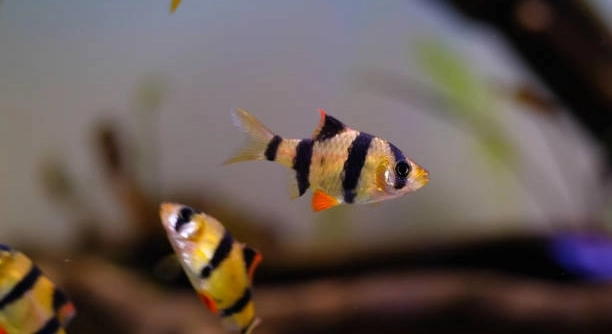
Barbs are lively fish that often show strong territorial behavior in aquariums. When they start fighting over space, it can stress both the fish and the keeper. Understanding how to manage these conflicts helps maintain a peaceful tank environment.
Breaking up barb territorial fights involves creating more space, adding hiding spots, and rearranging tank decorations to reduce direct confrontations. Proper tank size and grouping strategies also play key roles in minimizing aggressive behavior among barbs.
Learning these steps can make your aquarium a calmer place for everyone. Managing barb behavior takes patience but leads to a healthier tank overall.
Create More Space in the Tank
Giving barbs plenty of room is one of the easiest ways to reduce territorial fights. When fish feel cramped, they are more likely to compete for space. A larger tank allows each barb to claim its own area, which helps lower aggression. Ideally, a tank of at least 30 gallons is recommended for a small group of barbs. More space lets them swim freely and reduces the chance of constant clashes.
Making sure there is enough space also means avoiding overcrowding. Too many fish in a small area can quickly lead to stress and territorial disputes. Paying attention to the number of barbs in your tank helps keep everyone calmer.
Adding plants and decorations can break up sight lines, giving barbs the feeling of separate territories even in a shared tank. This simple change can make a big difference in their behavior and well-being.
Add Hiding Spots and Visual Barriers
Barbs need places to retreat when they feel threatened. Adding plenty of hiding spots with plants, rocks, or decorations helps reduce stress and fights. These barriers give each fish its own space to escape and relax. The more natural and varied the hiding places, the better it is for reducing aggression.
When barbs have places to hide, they don’t feel the need to defend a single territory as fiercely. Visual barriers break up the tank into smaller zones, which helps lower tensions and keeps peace. Hiding spots also mimic their natural environment, which can improve their overall health and comfort. These small adjustments in the tank setup help create a more balanced environment where barbs can coexist without constant battles.
Rearrange Tank Decorations Regularly
Changing the layout of your tank disrupts established territories. Barbs get confused when their usual landmarks move, which can reduce fights. Rearranging decorations every few weeks breaks up old boundaries and helps reset their behavior patterns.
By moving plants, rocks, and other items around, you create a new environment where barbs must explore and claim new spaces. This interruption stops long-term territorial claims, making it harder for any one fish to dominate. It encourages barbs to interact more calmly while adjusting to the changes.
Regular rearrangement also keeps the tank visually interesting for both you and your fish. It stimulates their curiosity and reduces boredom, which can sometimes trigger aggressive behavior. Changing the environment helps maintain a peaceful atmosphere and keeps your barbs healthier and happier.
Keep Barbs in Proper Group Sizes
Barbs are schooling fish and feel safer in groups. Keeping at least five or more barbs spreads aggression evenly and lowers individual stress. Small groups tend to increase fights as fish compete for dominance.
In larger groups, aggression becomes more diffused, preventing any one fish from becoming overly aggressive. This natural social structure helps maintain balance and reduces the chances of continuous territorial battles. Too few barbs cause tension because there isn’t enough social interaction to satisfy their instincts.
Choosing the right group size improves the overall health of your barbs. They feel more secure and behave more naturally when surrounded by enough companions. Ensuring proper numbers is one of the simplest ways to keep peace in your aquarium.
Monitor Water Quality Consistently
Poor water quality stresses barbs and can increase aggression. Regular testing and water changes keep the tank healthy and calm. Maintaining stable conditions helps reduce fights caused by discomfort or illness.
Clean, well-oxygenated water supports barb health and lowers stress levels. Stressful environments often lead to territorial disputes, so keeping water quality high is essential for peace.
Feed Barbs Properly and Regularly
Providing a balanced diet in proper amounts prevents competition over food. Uneven feeding can trigger aggressive behavior as barbs compete to eat first. Feeding small amounts several times a day helps keep them satisfied and less territorial.
Separate Aggressive Barbs if Needed
If a particular barb shows repeated aggression, consider isolating it temporarily. Separating aggressive fish protects others and helps calm the tank. After a break, try reintroducing the fish gradually to reduce tension.
FAQ
How can I tell if my barbs are fighting or just playing?
Barbs often swim fast and chase each other as part of normal behavior, but fights usually involve biting, fin nipping, or aggressive chasing with no breaks. If you see torn fins, bleeding, or constant chasing, it’s likely fighting. Playful behavior tends to be brief and without injury.
What tank size is best to prevent territorial fights?
A tank of at least 30 gallons is recommended for a small group of barbs. Larger tanks reduce crowding and allow each fish to claim space, which lowers aggression. The more barbs you have, the more space they need to swim freely without conflict.
How often should I rearrange the tank decorations?
Rearranging decorations every two to four weeks is usually enough to disrupt established territories. This keeps the environment fresh for the barbs and prevents long-term dominance by any one fish. It also encourages exploration and reduces boredom.
Are certain barb species more aggressive than others?
Yes, some species like Tiger Barbs are known for being more aggressive and territorial, while others like Cherry Barbs tend to be calmer. Knowing the specific temperament of your barb species helps in planning the tank setup and group size.
Can adding plants really reduce fights?
Yes, plants provide hiding spots and visual barriers that help break up the tank into smaller territories. This reduces direct line of sight and prevents constant confrontation. Live plants also improve water quality and create a more natural environment.
What is the ideal group size for barbs?
Keeping barbs in groups of five or more helps diffuse aggression. Small groups increase tension because fish compete more for dominance. Larger groups create a natural social balance and reduce repeated fights over territory.
How does water quality affect barb behavior?
Poor water quality stresses fish and can make them more aggressive. High ammonia or nitrite levels irritate barbs and lower their immune response. Regular water testing and changes keep conditions stable, reducing stress-related fights.
Is it okay to separate aggressive barbs?
Yes, isolating an aggressive fish temporarily can protect others and calm the tank. After a break, slowly reintroduce the fish to reduce tension. This method helps prevent injury and gives the aggressive barb time to reset.
What should I feed my barbs to keep them calm?
A balanced diet with high-quality flakes, pellets, and occasional live or frozen foods is best. Feeding small amounts multiple times a day prevents competition and hunger-driven aggression. Avoid overfeeding, which can pollute the tank.
Can overcrowding cause barb fights?
Definitely. Overcrowding limits space and increases competition for resources. This makes barbs more territorial and aggressive. Proper tank size and stocking levels are key to maintaining peace.
How long does it take for barbs to stop fighting after changes?
It varies, but most barbs adjust within a few days to two weeks after tank changes like rearranging decorations or adding hiding spots. Consistency in care and environment helps speed up this adjustment period.
Are there tank mates that help reduce barb aggression?
Some peaceful, fast-swimming fish can coexist with barbs and distract them from fighting. Avoid slow or long-finned species that may become targets. Research compatibility before mixing species to maintain harmony.
Does lighting affect barb behavior?
Bright or constant lighting can increase stress and territorial displays. Providing a natural day-night cycle with some shaded areas helps keep barbs calm. Using dimmer lighting or floating plants can reduce aggressive behavior.
What signs show that barb fights are harming my fish?
Look for torn fins, missing scales, open wounds, or constant hiding. Injured or stressed fish may also lose appetite or appear lethargic. Early detection allows for quick action to reduce fights and treat injuries.
How can I introduce new barbs without causing fights?
Add new barbs slowly and rearrange decorations to reset territories before introduction. Quarantine new fish to prevent disease spread. Introduce them in a group rather than singly to help balance social dynamics.
Keeping barbs peaceful in your aquarium takes some effort but is definitely doable. Giving them enough space, hiding spots, and proper group sizes are all important steps. These changes help barbs feel less stressed and less likely to fight over territory. Barbs are active fish that need room to swim and places to feel safe, so creating a comfortable environment is key to reducing conflicts.
Regular care is also important. Monitoring water quality and feeding your barbs well will keep them healthy and calm. When fish are stressed by poor water or hunger, they can become aggressive more easily. Making sure their basic needs are met prevents many problems before they start. Also, small actions like rearranging tank decorations every few weeks can reset barb territories and lower ongoing fights.
If fights do happen, it’s important to act quickly to protect your fish. Sometimes separating aggressive individuals for a short time can help calm things down. Remember that patience is needed when managing barb behavior. It can take time for your fish to adjust to changes and settle into a peaceful routine. With consistent care and attention, you can create a tank where your barbs live together more comfortably and happily.

Hello,
If you enjoy the content that we create, please consider saying a "Thank You!" by leaving a tip.
Every little bit helps us continue crafting quality advice that supports the health, happiness, and well-being of pets around the world, for pets of all shapes, sizes, and species.
We really appreciate the kindness and support that you show us!