
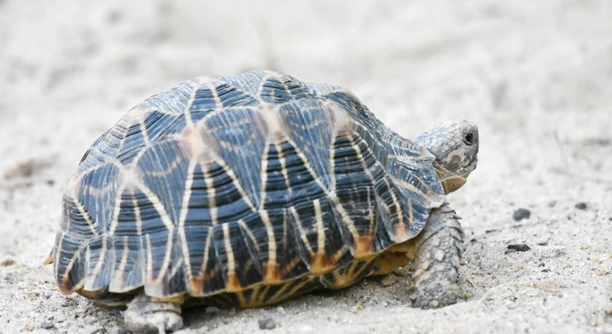
Indian Star Tortoises are fascinating reptiles known for their distinctive shell patterns and calm demeanor. Their health is essential for their well-being, and one of the key aspects to focus on is their immune system.
To enhance your tortoise’s immune system, proper care is essential. Providing a balanced diet, maintaining optimal living conditions, and reducing stress are crucial factors. Regular veterinary checkups also ensure that your tortoise stays healthy and strong.
By understanding the steps you can take, your tortoise’s immune system will benefit. Read on to discover practical tips that can help you support its overall health.
Provide a Balanced Diet
A proper diet is vital for your Indian Star Tortoise’s immune health. The right foods give them the essential vitamins, minerals, and nutrients to stay strong. Fresh vegetables, such as leafy greens, and occasional fruits like apples or strawberries, are ideal. Avoid feeding them too much fruit, as the sugar content can upset their digestion. Calcium is especially important for shell health, so dusting their food with a calcium supplement is a good idea. Also, make sure they get enough fiber, as this helps maintain their gut health. A well-balanced diet supports their immune system and overall vitality, ensuring they’re less prone to illness.
A varied diet is crucial. Offering different kinds of food prevents nutritional deficiencies that could weaken their immune system. Regularly changing their meals keeps them engaged and ensures they are getting all the nutrients they need.
Don’t forget about hydration! Fresh, clean water should always be available. Proper hydration helps digestion, which in turn supports a healthy immune system. So, always make sure that your tortoise has access to water. A hydrated tortoise is a healthy tortoise.
Maintain the Right Temperature
The right temperature is essential for your tortoise’s immune function. Too hot or too cold can stress them, making them more vulnerable to illness. Ideally, you should maintain a basking spot of around 90°F (32°C) and a cooler area at about 75°F (24°C). This allows your tortoise to regulate its body temperature, which is crucial for proper digestion and immune responses. A thermometer will help you keep track of the conditions in your tortoise’s habitat.
It’s also important to provide proper UVB lighting. UVB rays help your tortoise synthesize vitamin D3, which is necessary for calcium absorption and a strong immune system. Ensure the light is replaced regularly to avoid deficiencies.
Reduce Stress Levels
Stress can severely impact your tortoise’s immune system. Environmental factors like loud noises or too many handling sessions can make your tortoise anxious. Create a calm, quiet environment for them, away from distractions. Giving them plenty of space to roam and hide also helps them feel secure and reduces stress.
Ensure their enclosure is appropriately sized. A cramped space can cause anxiety, which can weaken their immune system. Additionally, make sure there are hiding spots where they can retreat if they feel threatened. By minimizing stress, you allow your tortoise to thrive and stay healthy.
Avoiding sudden changes to their environment also plays a key role in reducing stress. Keep their habitat consistent, and when any changes are needed, make them slowly. A predictable environment will keep your tortoise comfortable and at ease, allowing their immune system to stay strong.
Regular Veterinary Checkups
Routine veterinary visits are important to catch any health issues early. These checkups help monitor your tortoise’s overall health, including their immune function. A vet will check for signs of illness, such as respiratory infections or shell problems, which can affect their well-being.
By regularly taking your tortoise to the vet, you ensure that they are up-to-date on necessary vaccinations and deworming treatments. Preventative care is often the best defense against more serious health problems down the line. Early detection of any issues will help treat them before they become bigger concerns.
If you notice any changes in your tortoise’s behavior, such as loss of appetite or lethargy, it’s important to schedule a visit right away. These can be signs of underlying health issues. Maintaining a strong relationship with your vet ensures the best possible care for your tortoise’s immune system.
Provide Proper Lighting
Proper lighting is essential for a tortoise’s overall health. UVB light is crucial for vitamin D3 production, which helps them absorb calcium. Without enough UVB light, your tortoise may develop health issues, including weak bones and poor immune function. A UVB light should be replaced every 6 months for maximum effectiveness.
Additionally, the light should mimic natural sunlight and be positioned close enough to your tortoise for them to bask comfortably. Offering both UVB and UVA light in their enclosure encourages natural behaviors, keeping them healthy and active. It’s important to maintain the right light cycles to avoid disrupting their natural rhythm.
Offer Regular Exercise
Tortoises need daily physical activity to stay healthy. Providing a safe space for them to roam and explore encourages movement, which helps maintain muscle strength and supports their immune system. Exercise also aids digestion, contributing to better overall health.
A spacious enclosure that allows them to move freely and climb gently is ideal. Exercise helps keep your tortoise’s weight in check, preventing obesity and reducing stress, both of which can negatively affect the immune system. Make sure they have a variety of surfaces to walk on, like grass or sand, to keep things interesting.
Monitor Humidity Levels
Humidity plays an important role in your tortoise’s immune system and general health. Too low or high humidity can lead to respiratory issues or skin problems. You should aim to keep humidity levels between 50-60% to maintain optimal health for your tortoise. This can be achieved by regularly misting their environment or using a humidity gauge.
Proper humidity helps prevent dehydration and supports healthy shedding. It also aids in proper digestion. Ensure your tortoise has access to a humidity-controlled environment, as this will help maintain their immune system and avoid any skin or respiratory complications.
FAQ
How often should I feed my Indian Star Tortoise?
Indian Star Tortoises should be fed every other day. Offer a variety of leafy greens such as kale, dandelion greens, and mustard greens. Occasionally, you can add fruits like berries or apples, but limit them to prevent digestive upset. Ensuring a balanced diet helps maintain their health and immune function.
Can I give my tortoise fruit every day?
It’s best to limit fruit intake to once or twice a week. While tortoises enjoy fruit, the sugar content can cause digestive problems and lead to obesity if given too frequently. Stick to offering fruits in moderation to maintain a healthy diet and support your tortoise’s immune system.
Do Indian Star Tortoises need supplements?
Yes, calcium and vitamin D3 supplements are important for your tortoise’s health. Calcium supports shell growth and overall bone health, while vitamin D3 helps in calcium absorption. You can dust their food with calcium powder about once a week, depending on their diet and the amount of UVB exposure they get.
How much space does my Indian Star Tortoise need?
The more space you provide, the better. A minimum of a 40-gallon enclosure is suitable for a juvenile tortoise, but adults need larger space, ideally 75-100 gallons or more. Larger enclosures allow them to move freely and reduce stress, promoting better health and immune function.
Can I keep more than one Indian Star Tortoise together?
It’s possible, but be cautious. Male tortoises can be territorial and may fight, especially if there’s limited space. If you plan to keep multiple tortoises, make sure their enclosure is spacious enough for each tortoise to establish its own space. Monitor their behavior closely to avoid aggression.
What is the ideal temperature for my Indian Star Tortoise’s enclosure?
The basking area should be kept at around 90°F (32°C), while the cooler side of the enclosure should be around 75°F (24°C). Tortoises need a gradient to regulate their body temperature. The warmth helps with digestion, while the cooler areas allow them to rest and maintain comfort.
How can I tell if my tortoise is sick?
Signs of illness include loss of appetite, lethargy, wheezing, runny nose, and swollen eyes. If your tortoise is not eating, moving less than usual, or appears lethargic, it’s best to consult a veterinarian. Regular check-ups can catch health issues early, preventing further complications.
Can I handle my tortoise every day?
Handling should be kept to a minimum, especially for young tortoises. Too much handling can cause stress, which affects their immune system. Only handle them when necessary, such as during cleaning or for short periods to avoid causing anxiety. Always be gentle and calm when handling them.
What should I do if my tortoise’s shell gets damaged?
If your tortoise’s shell becomes cracked or injured, seek immediate veterinary care. Shell injuries can lead to infections if not properly treated. Your vet will help clean and dress the wound to prevent infection and ensure the shell heals properly. In some cases, surgery may be necessary.
How long do Indian Star Tortoises live?
Indian Star Tortoises have long lifespans, often living between 50 and 100 years in captivity, with proper care. Their longevity means you’ll have a long-term companion, so providing a stable environment and a healthy diet is essential for them to live a long, fulfilling life.
What type of bedding should I use in my tortoise’s enclosure?
Use bedding that allows for easy cleaning and maintains humidity levels. Ideal bedding includes coconut coir, aspen shavings, or a mix of organic soil and sand. Avoid using pine or cedar shavings, as the oils in these can cause respiratory issues for your tortoise.
Can my Indian Star Tortoise get too much UVB light?
While UVB light is necessary for vitamin D3 production, too much exposure can cause harm. It’s important to follow the manufacturer’s guidelines for your UVB light. Most UVB bulbs should be used for 10-12 hours per day. Ensure that the light is placed at the correct distance from your tortoise to avoid overexposure.
What should I do if my tortoise is not eating?
If your tortoise refuses food, check for signs of illness or stress. In some cases, environmental issues such as incorrect temperature or lighting can cause a loss of appetite. Ensure your tortoise’s habitat is set up correctly and monitor their behavior. If the problem persists, consult a vet.
How can I keep my tortoise entertained?
Provide variety in their environment to keep them active and mentally stimulated. Hide food in their enclosure to encourage natural foraging behaviors. Include rocks, logs, or plants for them to explore and climb on. This helps prevent boredom and encourages them to move, which supports their physical health.
Taking care of an Indian Star Tortoise requires commitment, but the rewards are well worth it. With proper attention to their diet, environment, and health, your tortoise can live a long, healthy life. A balanced diet full of leafy greens, occasional fruits, and supplements like calcium ensures that they receive the nutrients necessary for a strong immune system. Regularly providing fresh water and maintaining proper humidity levels also play a significant role in their overall well-being.
Environmental factors are equally important. A well-maintained enclosure with the right temperature gradient, UVB lighting, and sufficient space helps your tortoise feel safe and comfortable. Reducing stress is another key factor that shouldn’t be overlooked. A quiet, secure environment where they have room to roam and explore will allow them to thrive and reduce any health risks. Avoiding overhandling and giving them time to adjust to their habitat is essential in minimizing stress. Additionally, regular veterinary visits are crucial to catch any potential health issues early on.
The steps to boost your tortoise’s immune system are simple, but they require consistency and attention to detail. Keeping up with these habits will help prevent many common health problems and keep your tortoise strong. With the right care, your Indian Star Tortoise can live for decades, bringing joy and fascination with every year. By focusing on their diet, environment, and reducing stress, you give them the best chance at a healthy, fulfilling life.

Hello,
If you enjoy the content that we create, please consider saying a "Thank You!" by leaving a tip.
Every little bit helps us continue crafting quality advice that supports the health, happiness, and well-being of pets around the world, for pets of all shapes, sizes, and species.
We really appreciate the kindness and support that you show us!