
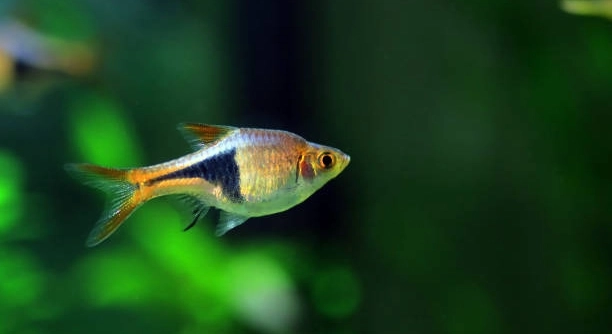
Keeping a school of rasboras healthy and active requires more than just clean water and proper food. Observing their interactions and environment can reveal opportunities to strengthen social bonds within the group.
Promoting cohesion in a rasbora school involves creating a stable and stimulating environment. Consistent water conditions, adequate space, and well-timed feeding schedules support natural schooling behavior. Structured enrichment and careful monitoring of interactions further encourage harmonious group dynamics.
Small adjustments in habitat and daily care can make a noticeable difference in how your rasboras interact and thrive together.
Choosing the Right Tank Size
A proper tank size is crucial for maintaining rasbora school cohesion. Crowded spaces can cause stress and aggressive behavior, while a tank that is too small limits swimming patterns, preventing natural schooling. A minimum of 20 gallons is recommended for a small group of six to eight rasboras. Larger tanks allow for more freedom and encourage healthier interactions. Decorate the tank with plants, hiding spots, and open swimming areas to mimic their natural habitat. This provides security while also promoting exploration. Regularly monitor water quality and remove debris to prevent stress. Consistent conditions help the fish recognize each other and maintain stable social hierarchies. Lighting should be moderate, avoiding sudden changes that could disturb the school. Feeding should be distributed evenly, so all fish receive adequate nutrition. Observing the school daily helps you notice changes in behavior that may indicate stress or imbalance. Adjustments to the environment should be gradual to avoid upsetting the established group dynamics.
A well-sized tank allows rasboras to swim freely, reducing stress and supporting stable social interactions within the school.
Consistent care, from water changes to layout adjustments, reinforces natural behavior. Open spaces encourage coordinated swimming, while plants and decor provide hiding spots and reduce stress. A balanced environment improves health, coloration, and overall cohesion. By maintaining space, proper lighting, and a stress-free setup, the school can interact naturally, forming stronger bonds.
Maintaining Consistent Water Conditions
Stable water conditions are key to school harmony. Frequent fluctuations in temperature or pH can stress rasboras, causing them to separate or become lethargic. Keeping the water temperature between 72 and 78°F and monitoring pH around 6.5 to 7.5 supports natural behavior.
Maintaining steady parameters prevents stress and ensures the group remains active and cohesive.
Regular testing and partial water changes help sustain consistent conditions. Using a reliable heater, filter, and thermometer ensures the tank remains stable. Avoid overfeeding, as leftover food can alter water chemistry and encourage harmful bacteria. Clean decorations and substrate during water changes to reduce waste buildup. Observing the fish’s behavior helps detect early signs of stress caused by water instability. Introduce new fish gradually and quarantine them first to prevent sudden changes in water quality. Keeping conditions consistent strengthens school dynamics and supports long-term health. A calm, stable environment allows rasboras to swim together naturally, enhancing their schooling patterns. Over time, a well-maintained habitat leads to a more visually synchronized and active group.
Group Size Management
Keeping the right number of rasboras together helps the school stay cohesive. Small groups can feel insecure, while overcrowding increases stress and aggressive behavior. A balanced group promotes natural schooling and reduces conflicts.
Observing your school regularly allows you to determine if the current group size supports healthy interaction. For smaller tanks, six to eight rasboras work well, while larger tanks can accommodate ten or more. Avoid adding new fish too quickly, as sudden increases can disrupt established social structures. When introducing newcomers, quarantine them first and ensure they are healthy. Gradual integration helps prevent aggression and encourages the entire school to adapt smoothly. Proper group size improves swimming coordination, feeding, and overall energy within the tank, keeping the school active and visually appealing.
Monitoring individual behavior is essential. Pay attention to signs of stress, isolation, or bullying, and adjust group numbers if necessary. Providing hiding spots helps reduce tension, while evenly distributing food prevents competition. A well-managed group allows rasboras to maintain natural hierarchy and synchronized movements, enhancing cohesion.
Feeding Practices
Consistent feeding schedules help rasboras stay active and social. Uneven feeding can cause competition or isolation within the school, disrupting cohesion.
Feed small amounts two to three times daily, ensuring all fish have access. Rotate between high-quality flakes, micro-pellets, and occasional live food. Avoid overfeeding, as leftover food can foul water and create stress. Spread food across different areas to encourage movement and reduce competition. Observing feeding behavior helps you notice weaker or shy individuals and ensures they receive adequate nutrition. Balanced diets improve coloration, vitality, and overall harmony, supporting the school’s natural dynamics and cohesion.
Supplementing diets with live or frozen foods boosts energy and encourages natural hunting behavior. Rotating protein and plant-based options provides essential nutrients. Feeding in varied locations allows shy fish to participate without being chased, promoting equality. Consistent routines reduce stress, preventing aggression, and ensuring the school maintains synchronized swimming patterns. Proper feeding not only improves health but strengthens social bonds, as all members of the school can interact without conflict during meal times.
Providing Hiding Spots
Rasboras feel safer with plants, rocks, and small decorations to hide behind. These spots reduce stress and allow shy individuals to blend in when needed. Proper hiding areas support natural schooling behavior and keep the group more cohesive.
Dense planting and decor placement also prevent aggression by giving each fish a personal space.
Encouraging Swimming Space
Open swimming areas are essential for synchronized movement. Remove clutter from central tank zones to allow rasboras to school freely. This promotes coordination, energy, and natural behavior. Swimming space reduces stress and supports overall health, making the school more visually active and balanced.
Observing Behavior
Regularly watching your rasboras helps detect stress, illness, or bullying. Early observation allows adjustments in tank setup or care to maintain school cohesion.
FAQ
How many rasboras should I keep in a single school?
A school should have at least six individuals to maintain natural schooling behavior. Smaller groups may become stressed or isolated, while larger groups of ten or more in spacious tanks encourage active, coordinated swimming. Group size directly impacts cohesion and overall energy in the tank.
What tank size is ideal for a cohesive school?
A minimum of 20 gallons works for six to eight rasboras, but larger tanks are better for bigger groups. Adequate space allows swimming freedom, reduces stress, and supports natural social interactions. Open areas combined with hiding spots encourage healthy behavior and prevent aggression.
How often should I feed my rasboras?
Feed two to three small meals daily. Distribute food evenly across the tank to ensure all fish eat without competition. Rotate between high-quality flakes, micro-pellets, and occasional live or frozen food. Overfeeding should be avoided as leftover food can impact water quality and cause stress.
How can I maintain consistent water conditions?
Keep water temperature between 72–78°F and pH around 6.5–7.5. Use a reliable heater, filter, and thermometer to prevent sudden changes. Partial water changes and regular testing help sustain stable conditions, reducing stress and encouraging harmonious school behavior. Introduce new fish gradually and quarantine them to avoid sudden chemical changes.
Do hiding spots really affect school cohesion?
Yes. Plants, rocks, and decorations provide security and personal space. Shy or lower-ranking fish can hide when needed, reducing aggression. Dense hiding areas encourage exploration and allow all fish to participate in schooling without feeling threatened. Proper placement of decor balances safety with open swimming space.
Why is swimming space important?
Open swimming areas are essential for synchronized movement. Rasboras need room to coordinate and maintain natural patterns. Cluttered central zones limit freedom, cause stress, and disrupt cohesion. A balanced mix of open space and decor supports healthy activity and visually pleasing schooling behavior.
What should I watch for when observing my rasboras?
Monitor for signs of stress, aggression, or illness. Look for fish that isolate, appear lethargic, or are being chased. Adjust tank setup, feeding, or group size when needed. Observing behavior early allows you to correct problems before they disrupt school cohesion or harm fish health.
How does group size affect feeding dynamics?
In larger schools, more aggressive fish may dominate meals if food isn’t spread evenly. Smaller groups reduce competition but may still stress shy individuals. Spreading food throughout the tank ensures all fish receive nutrition and encourages cooperative behavior during feeding, supporting overall cohesion.
Can water changes affect school behavior?
Yes. Sudden or large water changes can disrupt the school temporarily. Gradual partial water changes maintain stability, reducing stress. Consistent maintenance helps the group remain active, cohesive, and healthy. Observing reactions after water changes helps fine-tune routines for long-term balance.
What role does tank decor play in schooling?
Decor influences movement patterns, reduces conflict, and provides comfort. Hiding spots give fish security, while open areas allow natural swimming. A well-planned layout encourages participation, coordination, and a visually harmonious school. Adjusting placement periodically can prevent boredom and maintain interest.
How can I integrate new fish without disrupting cohesion?
Quarantine newcomers for at least two weeks before introducing them. Add them slowly to prevent sudden social shifts. Introduce during calm periods, and provide hiding spots to reduce stress. Gradual integration allows the established school to adapt while maintaining overall harmony.
Do temperature fluctuations affect cohesion?
Yes. Sudden drops or spikes in temperature can stress rasboras, making them lethargic or aggressive. Keeping temperature consistent ensures stable behavior and supports active schooling. Monitoring daily and using reliable equipment helps prevent disruption and promotes long-term group health.
How often should I rearrange decorations?
Occasional rearrangement is fine but should be gradual. Frequent or drastic changes can confuse the fish and disrupt schooling patterns. Small adjustments stimulate exploration while maintaining familiarity, keeping cohesion intact without adding stress.
Can overcrowding affect health and social behavior?
Overcrowding increases stress, competition for food, and aggression. It can reduce swimming space, making schooling difficult. Ensuring the right tank size and group number allows natural behavior, reduces conflict, and supports a healthy, cohesive school.
What are signs that the school is cohesive?
Fish swim in coordinated patterns, display synchronized turns, and share feeding areas without excessive chasing. Minimal stress behaviors and active, uniform coloration indicate strong cohesion. Consistent interaction and stable social hierarchy show that environmental conditions and group management are effective.
Keeping a school of rasboras cohesive requires attention to multiple aspects of care, from tank size to feeding habits. Each factor contributes to the overall harmony of the group, and even small adjustments can make a noticeable difference. A tank that provides enough space for swimming and hides offers security, reduces stress, and allows the fish to interact naturally. Consistent water conditions are equally important. Sudden changes in temperature or pH can cause stress, leading to disrupted social behavior or isolation. Monitoring water quality and maintaining stable parameters ensures that the school remains active and healthy, supporting long-term cohesion. The combination of a well-sized tank, structured environment, and careful observation helps the school maintain natural schooling patterns that are both visually appealing and beneficial to their well-being.
Group size management is another key factor in maintaining harmony. Too few fish can cause insecurity, while overcrowding leads to aggression and competition for resources. Finding the right balance allows the school to swim together smoothly and reduces tension among individuals. Feeding practices also play a crucial role. Providing small, evenly distributed meals multiple times a day encourages participation from all members, prevents bullying, and ensures that shy or lower-ranking fish receive adequate nutrition. Including a variety of food, such as high-quality flakes, micro-pellets, and occasional live or frozen options, keeps the fish healthy and energized. Enrichment through decor and hiding spots gives individuals a sense of security while still allowing open swimming areas for coordinated movement. Observing the fish daily makes it easier to notice changes in behavior, detect stress early, and adjust the environment when necessary, reinforcing group cohesion over time.
The overall health and happiness of a rasbora school depend on consistent, attentive care. Maintaining clean water, structured feeding, proper group size, and thoughtful tank layout creates an environment that supports natural social interactions. Each aspect is interconnected, meaning improvements in one area can positively influence others. By carefully observing the school, adjusting conditions gradually, and providing both safety and space, it is possible to foster strong cohesion and stable group dynamics. A well-maintained school not only looks more synchronized but also enjoys better health, coloration, and energy levels. Investing time in these practices ensures the rasboras thrive, allowing their natural schooling behavior to develop fully and creating a balanced, harmonious environment that benefits all members of the group.

Hello,
If you enjoy the content that we create, please consider saying a "Thank You!" by leaving a tip.
Every little bit helps us continue crafting quality advice that supports the health, happiness, and well-being of pets around the world, for pets of all shapes, sizes, and species.
We really appreciate the kindness and support that you show us!