
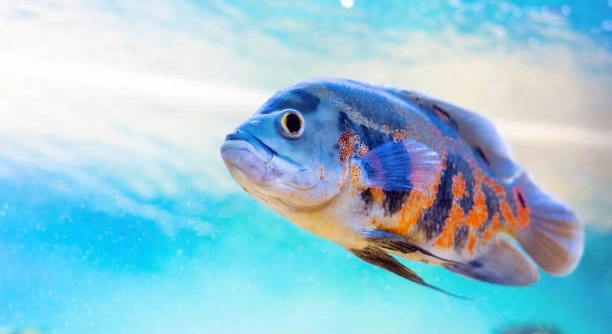
Boosting Oscar health naturally can be simple with the right approach. Whether you’re looking for ways to enhance their well-being or improve their living environment, small changes can make a big difference in their quality of life.
Natural methods such as improving water quality, providing a balanced diet, enriching their environment, and managing stress levels contribute to boosting Oscar health. Regular monitoring of water parameters and a varied diet of high-quality foods are essential for overall well-being.
By following these natural steps, you can support your Oscar’s long-term health and vitality. Keep reading to discover simple ways to improve their quality of life.
Improve Water Quality Regularly
Keeping your Oscar’s water clean is one of the most effective ways to boost its health. Regular water changes help maintain proper levels of oxygen, prevent the buildup of harmful toxins, and keep your fish free from potential illnesses. Aim to replace 25-30% of the tank water weekly, using a reliable filtration system to remove excess waste. Additionally, monitor water parameters like pH, ammonia, nitrite, and nitrate levels. These factors play a crucial role in preventing stress and improving your Oscar’s overall well-being.
Clean water also helps reduce the risk of common diseases that affect Oscars. Over time, poor water quality can weaken their immune system, making them more susceptible to infections. Make sure to invest in a high-quality filter suited for the size of your tank to ensure optimal water conditions.
Taking the time to maintain clean water is an easy yet essential step to boosting Oscar health. It creates a healthier environment, encouraging more active and vibrant fish. Regular water testing will also help you spot issues early, ensuring your Oscar thrives.
Provide a Balanced, Nutrient-Rich Diet
A healthy diet is another key factor in supporting Oscar health. Feeding your fish a variety of high-quality food, including pellets, live foods, and occasional treats, ensures they receive all the necessary nutrients.
Oscars are omnivores, so a well-rounded diet helps strengthen their immune system and promote growth. High-protein foods like worms, shrimp, and fish can help maintain muscle mass, while vegetables provide essential vitamins and fiber for digestion. Feeding them a variety of options will help prevent nutritional deficiencies and keep them active and healthy.
By providing a balanced, nutrient-rich diet, you are fueling your Oscar’s long-term health. Avoid overfeeding to prevent water quality issues and obesity. Understanding your fish’s dietary needs will not only keep them strong but also prevent common health problems.
Maintain Proper Tank Size
Oscar fish require ample space to thrive. A 75-gallon tank is the minimum size recommended for one Oscar, with 100 gallons being ideal for two. Providing sufficient space ensures they can swim freely and maintain a healthy environment. Overcrowding leads to stress, aggressive behavior, and poor health.
When selecting the right tank size, keep in mind that Oscars grow to be large fish, often reaching up to 14-18 inches. A smaller tank doesn’t allow them enough room to move around comfortably, leading to poor water quality and higher stress levels. It’s important to create an environment where they feel safe, reducing their chances of illness.
Proper tank size promotes optimal growth, reduces territorial disputes, and helps maintain clean water. When an Oscar has space, it can also exhibit more natural behaviors. This translates into a happier, healthier fish. Consider upgrading tank size as your Oscar grows to maintain these conditions for its well-being.
Ensure Consistent Water Temperature
Oscars prefer stable water temperatures between 74°F and 80°F (23°C to 27°C). Sudden temperature fluctuations can cause stress, leading to weakened immune systems and increased vulnerability to disease. Invest in a reliable aquarium heater with a thermostat to regulate the temperature consistently.
Maintaining a steady temperature is essential to mimic their natural habitat. A heater helps avoid extreme drops during colder months or heat spikes in warmer months. Use a thermometer to monitor temperature regularly and adjust the heater if necessary. Inconsistent temperatures can cause illness and stress, which affects your Oscar’s health and behavior.
Providing a consistent water temperature supports healthy metabolic function, immune response, and general comfort. This stable environment allows your Oscar to remain active and feed properly. Keep in mind that prolonged exposure to temperature fluctuations may shorten your fish’s lifespan, so monitoring temperature is a vital aspect of care.
Avoid Overfeeding
Overfeeding your Oscar can lead to obesity and water quality issues. Offer small, balanced portions of food two to three times a day, and remove any uneaten food after a few minutes. This helps maintain clean water and ensures your fish stays healthy.
Feeding too much can cause waste to build up in the tank, creating an unhealthy environment. Oscars are eager eaters, but feeding them beyond their needs leads to poor digestion and fat buildup. Stick to recommended serving sizes based on your Oscar’s size and adjust portions as it grows to avoid these problems.
Monitor Tank Filtration
Good filtration is crucial for maintaining water quality. Oscars produce a lot of waste, so invest in a powerful filter rated for a tank size larger than yours. This keeps the water clean and reduces toxins.
Regularly clean your filter to ensure it’s working efficiently. If the filter becomes clogged, it can’t process waste, which directly affects water quality. A reliable filter is essential for an Oscar’s health, as poor filtration leads to high ammonia levels, which can harm your fish. Make sure to follow the manufacturer’s guidelines for cleaning and maintenance.
Reduce Stress
Stress can significantly affect an Oscar’s health. Avoid sudden changes in the environment, excessive handling, or overcrowding. Create a calm, quiet atmosphere for your fish to reduce anxiety. Stress weakens their immune system, making them more prone to diseases.
FAQ
What are the best foods for Oscars?
Oscars are omnivores, meaning they need a balanced diet of both protein and plant matter. High-quality pellets designed for carnivorous fish should be their main diet, supplemented with live or frozen foods like worms, shrimp, and crickets. You can also occasionally offer vegetables like spinach, peas, and zucchini for added nutrients. Variety is key to ensuring your Oscar gets all the necessary vitamins and minerals. Avoid overfeeding, and be sure to remove any uneaten food to maintain good water quality.
How often should I feed my Oscar?
You should feed your Oscar two to three times a day, offering small portions that they can eat in a few minutes. Overfeeding can cause obesity and water pollution. As your Oscar grows, adjust portion sizes to match its needs. Monitor how much food your fish consumes to avoid leftovers, which can harm water conditions.
Why is my Oscar turning dark?
Oscars can change color for various reasons, including stress, poor water conditions, or a change in diet. Darkening can be a sign of stress or discomfort, often due to improper water temperature or ammonia levels. Ensure your tank has the correct water parameters, and observe your Oscar’s behavior. If darkening continues, check for any signs of illness, such as white spots, lesions, or changes in appetite.
How can I tell if my Oscar is sick?
Common signs that an Oscar is unwell include changes in appetite, unusual swimming behavior (like floating near the surface or staying in one spot), discoloration, or visible sores and lesions on the body. Pay attention to their breathing; rapid or labored breathing could indicate a respiratory issue. If you notice any of these symptoms, consider testing water parameters and isolating the sick fish if necessary to prevent further issues.
Can Oscars live with other fish?
Oscars are territorial and aggressive, especially as they grow. While it’s possible for them to live with other large, robust fish, such as large catfish or cichlids, it’s important to carefully monitor their interactions. Avoid keeping Oscars with smaller fish, as they may see them as food. It’s best to ensure the other tank mates can hold their own in terms of size and temperament to avoid stress or harm.
How do I prevent my Oscar from becoming aggressive?
Aggression in Oscars is natural, but there are ways to minimize it. Providing plenty of space with a large tank is key to reducing territorial behavior. Keeping the water clean and stable also helps reduce stress, which can trigger aggression. Avoid sudden changes in their environment, and introduce new tank mates carefully. Ensure there are plenty of hiding spots for all fish to help them feel secure.
Why isn’t my Oscar eating?
If your Oscar refuses to eat, it could be due to a few factors. Stress is one of the most common causes, especially after a recent move or tank change. Poor water quality or incorrect water temperature can also make your fish lose its appetite. If your Oscar has been eating well and suddenly stops, check the water parameters immediately. If everything checks out, give the fish a few days to adjust. If the lack of eating continues, consider consulting a vet.
Can Oscars live in a 55-gallon tank?
A 55-gallon tank is too small for a full-grown Oscar, as they can reach up to 18 inches in length. While a young Oscar may be fine in a 55-gallon tank, it’s best to upgrade to a larger tank—75 gallons is the minimum for one adult Oscar. A bigger tank allows for better water filtration, more swimming space, and reduces territorial behavior, making for a healthier and happier Oscar.
What’s the ideal pH level for Oscars?
Oscars thrive in slightly acidic to neutral water, with a pH level between 6.5 and 7.5. Regular water testing helps ensure that the pH stays within this range. Significant fluctuations in pH can cause stress and even illness. To maintain the proper pH, use high-quality water conditioners and adjust your water chemistry carefully. Always test your tank’s water regularly and adjust based on the results.
How can I help my Oscar recover from fin rot?
Fin rot is a bacterial infection that affects an Oscar’s fins, causing them to appear ragged or discolored. To treat fin rot, first, remove any uneaten food and perform a water change to improve the tank’s conditions. Adding an aquarium antibiotic or antiseptic to the water can help combat the infection. Make sure to keep the water parameters stable and maintain good hygiene to prevent the condition from returning. If the rot is severe, consider isolating the affected Oscar in a quarantine tank for treatment.
How long do Oscars live?
On average, Oscars can live between 10 to 15 years with proper care. However, their lifespan can vary depending on water quality, diet, and the tank environment. By providing a stable environment, regular maintenance, and a balanced diet, you can ensure that your Oscar lives a long, healthy life.
Final Thoughts
Oscar fish are rewarding pets, but they do require careful attention to thrive. Their size, territorial nature, and specific care needs mean that they aren’t the easiest fish to care for, especially for beginners. However, with the right setup, a good diet, and proper maintenance, Oscars can live long and healthy lives. Their unique personalities and beauty make them a great choice for anyone willing to put in the effort to create the right environment.
It’s essential to keep their tank size in mind as they grow. Providing ample space is one of the most important factors in ensuring they stay healthy and happy. Regular water changes, filtration, and consistent temperature control all play a part in maintaining a healthy tank. Adding appropriate tank mates that can handle the Oscar’s aggressive nature is also a key point. Oscars do best when they are in a controlled environment where they don’t feel stressed or threatened.
Finally, a balanced diet and attention to water quality are non-negotiable for an Oscar’s health. These fish can be quite sensitive to poor water conditions, so regular testing and tank upkeep should always be a priority. While they may not be the easiest fish to care for, Oscars can bring beauty and excitement to your aquarium if given the right care. With a little commitment, you can enjoy these fascinating fish for many years.

Hello,
If you enjoy the content that we create, please consider saying a "Thank You!" by leaving a tip.
Every little bit helps us continue crafting quality advice that supports the health, happiness, and well-being of pets around the world, for pets of all shapes, sizes, and species.
We really appreciate the kindness and support that you show us!