
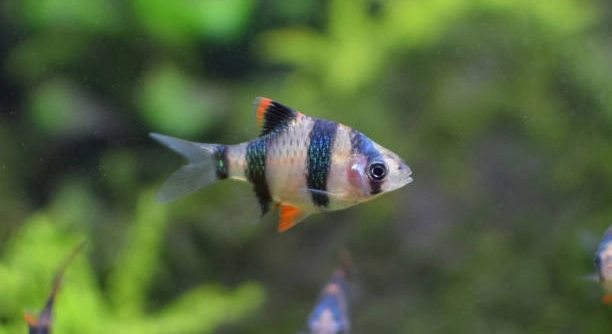
Tiger Barbs are colorful, active fish that many aquarium lovers enjoy. Keeping them healthy requires attention to their immune system. This article explores practical ways to support and boost their natural defenses.
Boosting immunity in Tiger Barbs involves providing a balanced diet, maintaining clean water conditions, reducing stress, and introducing immune-supportive supplements. Proper care strengthens their resistance against diseases and promotes overall well-being.
Learning how to enhance your Tiger Barbs’ immunity will help ensure they stay vibrant and thrive in your aquarium environment.
Balanced Diet for Strong Immunity
Providing Tiger Barbs with a balanced diet is essential for maintaining their immune health. Their diet should include high-quality flakes or pellets designed for tropical fish, enriched with vitamins and minerals. Incorporate live or frozen foods such as brine shrimp and bloodworms to offer protein variety. A diverse diet helps supply necessary nutrients that support immune function and overall vitality. Avoid overfeeding, as excess food can pollute the tank and stress the fish. Feeding small amounts two to three times daily is ideal. Healthy nutrition strengthens their defenses against infections and diseases. Consistent feeding routines also reduce stress, contributing to a stable immune response. Monitoring their eating habits helps identify potential health issues early.
Balanced nutrition supports a Tiger Barb’s energy and immune system, improving resilience against common aquarium illnesses.
Regularly rotating food types ensures that your fish receive a broad spectrum of nutrients and remain in optimal health.
Clean and Stable Water Conditions
Maintaining clean and stable water conditions is crucial for Tiger Barbs’ immune health. Frequent water changes help remove waste and harmful chemicals, keeping ammonia, nitrite, and nitrate levels low. Use a reliable filtration system to maintain water clarity and quality. Monitor water parameters such as temperature, pH, and hardness regularly to prevent fluctuations. Stable conditions reduce stress and limit the growth of harmful pathogens. Avoid overcrowding the tank to ensure sufficient oxygen and space. Keeping the environment stable strengthens the fish’s immune system, allowing them to resist infections more effectively. Proper maintenance routines create a safer habitat that supports long-term health. Regular testing and adjustment help prevent sudden changes that can compromise immunity. Clean water is the foundation of a healthy aquarium and a key factor in boosting Tiger Barbs’ immune defenses.
Reducing Stress for Better Immunity
Stress weakens Tiger Barbs’ immune systems. Minimizing stress helps them stay healthy.
Stress can come from overcrowding, sudden water changes, or aggressive tank mates. Providing enough space and hiding spots reduces stress. Keep a stable routine to avoid sudden disruptions. When fish are less stressed, their immune system works better to fight off illnesses and recover from minor injuries.
Maintaining a calm environment prevents frequent immune suppression. Regularly checking for signs of aggression and adjusting the tank setup can lower stress. This keeps Tiger Barbs active and healthy, ready to respond to any health threats effectively.
Using Immune-Boosting Supplements
Certain supplements can support Tiger Barbs’ immunity when added to their diet. Vitamins like C and E improve their resistance to infections. Adding these supplements occasionally helps strengthen their natural defenses without overwhelming their system.
Supplements should be introduced carefully, following recommended dosages to avoid toxicity. Overuse can cause health problems instead of benefits. Choose high-quality products designed for aquarium fish to ensure safety and effectiveness. Supplements work best combined with proper diet and clean water, not as a substitute. Regular use during stressful periods or after illness can speed recovery and enhance immunity.
Supplementing their diet thoughtfully provides additional support for Tiger Barbs’ immune systems. When combined with good care practices, it creates a well-rounded approach to keeping them healthy and vibrant.
Quarantine New Fish
Quarantining new fish helps prevent the introduction of diseases to your tank. It protects your existing Tiger Barbs from potential infections.
A separate quarantine tank allows observation of new arrivals for signs of illness before mixing them with your main group. This step is essential for maintaining a healthy environment.
Maintain Proper Tank Size
A spacious tank reduces stress and promotes natural behavior. Tiger Barbs need room to swim freely and avoid aggression.
Regular Tank Cleaning
Cleaning the tank regularly removes waste and harmful bacteria. It supports better water quality and fish health.
FAQ
How often should I feed my Tiger Barbs?
Feeding Tiger Barbs two to three times a day with small portions is ideal. Overfeeding can pollute the tank and cause health problems. Giving just enough food that they can eat within a few minutes helps maintain water quality and prevents obesity.
What is the best water temperature for Tiger Barbs?
Tiger Barbs thrive in water temperatures between 74°F and 79°F (23°C to 26°C). Keeping the temperature stable within this range supports their immune system and overall health. Sudden temperature changes can stress the fish and make them vulnerable to diseases.
Can Tiger Barbs live with other fish species?
Yes, but it’s important to choose compatible tank mates. Avoid very slow or shy fish, as Tiger Barbs can be nippy. Other active and similarly sized fish usually do well together. Ensuring enough space and hiding spots reduces aggression.
How do I know if my Tiger Barbs are stressed?
Signs of stress include loss of color, erratic swimming, hiding frequently, or loss of appetite. Stress weakens their immune system, so addressing causes quickly is important. Check water quality, tank mates, and feeding habits to reduce stress factors.
What types of live food can I offer?
Brine shrimp, daphnia, and bloodworms are great live foods for Tiger Barbs. These foods provide protein and nutrients that support immune health. Use live food occasionally alongside regular pellets or flakes for a balanced diet.
How often should I change the water?
Performing partial water changes of about 25% weekly helps maintain clean water and stable conditions. More frequent changes may be needed in crowded tanks or if water quality drops. Regular changes reduce toxins and support a healthy immune system.
Are supplements necessary for Tiger Barbs?
Supplements are helpful but not always necessary if you provide a varied, high-quality diet and clean water. During times of stress, illness, or after quarantine, supplements can give extra immune support. Always follow dosage instructions carefully.
What tank size is best for Tiger Barbs?
A minimum of 20 gallons is recommended for a small group of Tiger Barbs. Larger tanks provide more swimming space and reduce territorial aggression. Adequate space lowers stress and supports better immune function.
Can poor water quality cause diseases?
Yes, poor water quality is a common cause of illness in Tiger Barbs. High ammonia or nitrite levels, incorrect pH, and temperature swings weaken their immune system. Maintaining clean, stable water conditions is essential for disease prevention.
How do I treat common diseases?
Early detection is key. Isolate sick fish and use appropriate medication based on symptoms. Improving water quality and reducing stress are critical parts of treatment. Consulting with an experienced aquarist or vet can help determine the best approach.
These answers cover common concerns and help maintain strong immunity in Tiger Barbs through proper care and attention.
Taking good care of Tiger Barbs involves several important steps to keep their immune system strong and healthy. Feeding them a balanced diet with a mix of quality flakes, pellets, and occasional live food provides the nutrients they need. This variety helps their bodies stay well-nourished and better able to fight off illnesses. Alongside proper feeding, keeping the tank clean with regular water changes and good filtration creates a stable environment. Clean water reduces harmful substances that can stress the fish and weaken their defenses. Avoiding overcrowding also plays a big role, as too many fish in a small space increases stress and competition for resources, which can lead to health problems.
Minimizing stress is another key factor in boosting immunity for Tiger Barbs. Stress can come from many sources, including aggressive tank mates, sudden changes in water conditions, or poor diet. Providing plenty of hiding places and maintaining stable water parameters helps the fish feel secure and calm. Stress weakens the immune system, making the fish more vulnerable to diseases and infections. By controlling these factors, you help your Tiger Barbs stay resilient and energetic. Additionally, quarantining new fish before adding them to the main tank prevents the spread of diseases, which protects the entire group’s health.
Using immune-boosting supplements can also be helpful, especially during stressful periods or recovery from illness. Vitamins like C and E support the immune response and help Tiger Barbs resist infections more effectively. However, supplements should never replace good husbandry practices. They work best when combined with proper nutrition, clean water, and low-stress conditions. Regular observation of your fish for any changes in behavior or appearance allows you to catch potential health issues early. Taking these steps together creates a strong foundation for your Tiger Barbs’ long-term health and well-being. Consistent care and attention will keep them thriving and brightening your aquarium for years.

Hello,
If you enjoy the content that we create, please consider saying a "Thank You!" by leaving a tip.
Every little bit helps us continue crafting quality advice that supports the health, happiness, and well-being of pets around the world, for pets of all shapes, sizes, and species.
We really appreciate the kindness and support that you show us!