
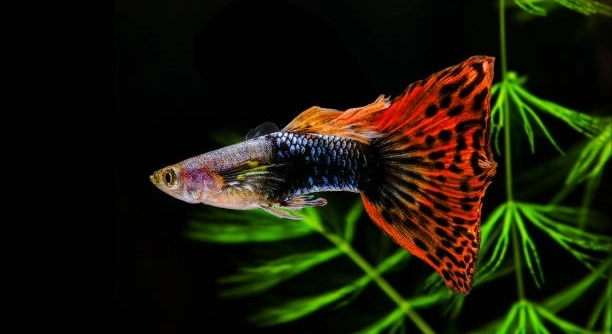
Guppies are small, vibrant fish loved by many for their beauty and easy care. However, like all pets, they have a lifespan that can vary based on various factors. Ensuring they live a long and healthy life requires attention.
Maintaining a guppy’s health and lifespan involves providing a stable environment, feeding them a proper diet, ensuring water quality, avoiding stress, and maintaining good breeding practices. Proper care in these areas can significantly extend their life expectancy.
By following these steps, your guppies can thrive, creating a healthier and more enjoyable environment for them. Their longevity depends on small changes that make a big difference in their well-being.
Proper Water Conditions
Maintaining the right water quality is essential for guppies. These fish thrive in clean, well-oxygenated water with stable temperatures. Regular water changes, maintaining pH levels between 7.0 and 8.0, and ensuring proper filtration can prevent disease and promote healthy growth. A water temperature between 72°F and 82°F is ideal for guppies. It’s important to monitor these factors closely to avoid stress and other health problems. Without proper water conditions, even the most well-cared-for guppy will not live its full lifespan.
Water quality directly impacts your guppies’ well-being. Keep the tank clean by performing regular water changes and using a good filter.
Stress from poor water conditions can lead to illness and even death. Keep a consistent check on the temperature, pH, and cleanliness of the tank to ensure your guppies thrive for as long as possible.
Balanced Diet
Guppies need a balanced diet to stay healthy and live longer. Feeding them a variety of high-quality foods, including flake food, live food, and occasional vegetable matter, ensures they receive the right nutrients. Overfeeding can lead to obesity and water quality problems, so portion control is key. Make sure to feed your guppies in moderation, offering small amounts multiple times a day rather than one large feeding. This promotes healthy digestion and prevents waste buildup in the tank, which can harm the fish.
Varied food sources are crucial. Offer guppies both plant and animal matter to give them all the nutrients they need for optimal health.
Proper nutrition plays a large role in extending their lifespan. By sticking to a balanced feeding schedule and ensuring they eat the right foods, you can avoid health problems and help them thrive. Healthy, well-fed guppies are happier and more resilient to diseases.
Avoid Overcrowding
Overcrowding can cause stress and make guppies more susceptible to diseases. Keeping too many fish in a small space leads to poor water quality, as waste accumulates faster than the filter can handle. It’s important to follow the recommended stocking guidelines to ensure there’s enough room for each guppy to thrive. Maintaining a proper ratio of fish to tank size allows each guppy to establish its own territory and feel less stressed.
A good rule of thumb is one inch of fish per gallon of water, but this can vary depending on the species. Proper stocking density reduces competition for resources, such as food and space, ensuring all your guppies have what they need.
When overcrowded, guppies are more likely to develop stress-related illnesses or even fight with each other. Avoiding overcrowding ensures your guppies have the environment they need to stay healthy and live longer.
Regular Tank Maintenance
Regular maintenance is key to keeping guppies healthy. Clean the tank at least once a week, removing debris and checking the filter. Don’t forget to vacuum the substrate to prevent the buildup of harmful waste. Keep a close eye on water parameters, like ammonia, nitrite, and nitrate levels, as these can fluctuate quickly in a tank with multiple fish. Use a reliable water testing kit to ensure levels stay within safe ranges.
Keeping the tank clean isn’t just about aesthetics. It directly impacts your guppies’ health. Clean water prevents bacterial growth, keeps stress levels low, and ensures a better environment for guppies to thrive. Skipping tank maintenance can lead to algae blooms, water contamination, and poor fish health.
It’s easy to overlook tank upkeep, but it’s crucial for longevity. A small effort each week can make a big difference in the overall health of your guppies, allowing them to live their full lifespan in a healthy environment.
Proper Tank Size
A proper tank size helps maintain water quality and reduces stress on your guppies. Too small of a tank leads to poor oxygen levels and waste buildup. A minimum of 10 gallons is recommended for a small group of guppies, giving them enough space to swim and stay healthy.
Larger tanks are easier to maintain because they allow for better filtration and water movement. Guppies need space to swim freely, and overcrowding can cause stress and illness. Even if you start with a few fish, a larger tank gives them room to grow.
Water Temperature
Maintaining the right water temperature is essential for guppy health. They thrive in temperatures between 72°F and 82°F. Extreme fluctuations can cause stress, weaken their immune system, and shorten their lifespan. Use a reliable aquarium heater to maintain a stable temperature, especially in cooler climates.
Consistent temperatures help guppies stay active and healthy. If the water gets too cold or too hot, it can affect their digestion, immune response, and overall well-being. Check the tank regularly to ensure the temperature remains within the safe range for guppies.
Avoiding Stress
Stress can significantly shorten your guppies’ lifespan. Avoid sudden changes in their environment, like abrupt temperature shifts, loud noises, or rough handling. Stress weakens their immune system, making them more vulnerable to diseases. Make sure the tank is peaceful and quiet.
To help reduce stress, ensure the tank has hiding spots and plants. This gives your guppies a place to retreat when they feel threatened. A low-stress environment leads to happier, healthier guppies, which can live longer.
FAQ
How long do guppies live?
Guppies typically live for about 2 to 3 years. However, their lifespan can vary depending on the quality of care they receive. Some guppies, when well-cared for, can live longer, up to 5 years. Factors such as water quality, diet, and tank conditions directly impact their lifespan.
What is the best tank size for guppies?
For a small group of guppies, a 10-gallon tank is the minimum. This provides enough space for them to swim and reduces stress. Larger tanks are always better, as they offer more room for water movement and filtration, contributing to a healthier environment.
Can guppies live with other fish?
Yes, guppies are peaceful and can live with other fish, as long as the tank mates are not aggressive. Small, peaceful species like tetras, mollies, and platys are ideal companions. Avoid keeping them with fin-nippers or large, aggressive fish that could harm them.
How do I know if my guppy is sick?
Sick guppies may exhibit signs such as unusual swimming behavior, faded colors, loss of appetite, clamped fins, or visible lesions. If you notice any of these symptoms, it’s important to isolate the affected fish and check water quality. Early intervention helps prevent the spread of illness.
Do guppies need a filter?
Yes, guppies need a filter to maintain good water quality. A filter helps remove waste and excess food, preventing harmful substances like ammonia and nitrites from building up. Regular water changes should still be performed, but a filter makes maintaining water quality much easier.
What do guppies eat?
Guppies are omnivores, so they enjoy a varied diet. High-quality flake food, pellets, and live or frozen foods like brine shrimp and daphnia are great options. You can also feed them small amounts of vegetables like spinach or zucchini. A balanced diet ensures they get the nutrients they need.
How often should I feed my guppies?
Feed your guppies small amounts 2-3 times per day. Guppies have small stomachs and can easily overeat, which leads to poor water quality and health issues. Give them only what they can eat in a few minutes, and remove any uneaten food to keep the tank clean.
Can guppies survive in cold water?
Guppies are tropical fish and prefer warmer water between 72°F and 82°F. They can tolerate slight fluctuations but should not be exposed to temperatures below 60°F for extended periods. In cold water, their immune system weakens, making them susceptible to diseases. A reliable aquarium heater is essential.
How can I prevent guppy diseases?
To prevent diseases, maintain proper water quality, avoid overcrowding, and feed a balanced diet. Regularly clean the tank, and ensure your guppies are not exposed to stress. Quarantine any new fish before adding them to the tank to prevent the introduction of harmful pathogens.
Do guppies breed easily?
Yes, guppies are prolific breeders. They are livebearers, meaning they give birth to live young rather than laying eggs. If you have both male and female guppies, expect frequent births unless you separate them. To prevent overpopulation, consider having only males or controlling the breeding.
Why are my guppies chasing each other?
Guppies may chase each other for a few reasons. It can be a sign of mating behavior, particularly if you have both males and females. In some cases, chasing can be a sign of aggression or territorial behavior. Ensuring adequate space and hiding places can reduce unnecessary chasing.
What’s the ideal pH for guppy tanks?
The ideal pH range for guppies is between 7.0 and 8.0. They prefer slightly alkaline water. Regularly test the water’s pH to ensure it stays within this range. Fluctuations outside of this can stress your guppies, leading to health issues.
Final Thoughts
Caring for guppies requires attention to their environment, diet, and overall well-being. These small, colorful fish are relatively easy to maintain, but their lifespan and health can be significantly affected by the conditions they live in. A well-maintained tank with clean water, proper filtration, and regular maintenance helps ensure your guppies thrive. It is also important to provide a balanced diet, free of overfeeding, and to keep the tank population manageable to avoid overcrowding.
Water temperature, quality, and pH play a large role in guppy health. Maintaining stable water conditions within the right range allows your guppies to grow and live longer. Guppies are tropical fish, so having a heater to keep the water warm enough for them to be active is essential. Regularly testing water parameters such as ammonia, nitrate, and nitrite levels will help avoid any sudden fluctuations that can harm the fish. Additionally, while guppies are peaceful, their behavior can be influenced by stress or poor water conditions, so monitoring them closely for any signs of distress is important.
By following these basic care tips, you can maximize your guppies’ lifespan and keep them healthy for a long time. A proper tank setup, clean water, and appropriate feeding schedules can go a long way. While they may not live as long as some other fish species, with the right care, guppies can lead happy, healthy lives. Taking the time to create a stable, stress-free environment for them will not only benefit your guppies but also enhance your experience as an aquarium owner.

Hello,
If you enjoy the content that we create, please consider saying a "Thank You!" by leaving a tip.
Every little bit helps us continue crafting quality advice that supports the health, happiness, and well-being of pets around the world, for pets of all shapes, sizes, and species.
We really appreciate the kindness and support that you show us!