
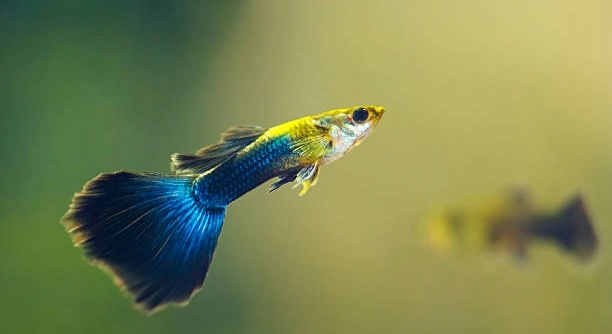
Growing guppies can be a fun and rewarding experience for aquarium enthusiasts. But when you’re looking to boost their growth, it’s essential to know the right techniques to help them thrive. Guppy growth can be influenced by several factors.
To boost guppy growth, ensure they have optimal water conditions, a nutritious diet, and a proper environment. Consistent water temperature, filtration, and feeding high-quality foods are all key elements to supporting healthy and rapid growth in guppies.
There are various ways to improve guppy growth, and understanding these factors will help you create the best environment for your fish. From adjusting their diet to providing a balanced habitat, each step plays a role in their overall health.
Provide Optimal Water Conditions
The most important factor for growing healthy guppies is maintaining good water conditions. Guppies thrive in warm water, ideally between 75°F and 82°F (24°C to 28°C). Make sure the water is clean and free from harmful chemicals, like chlorine. Regular water changes are essential, as they help to remove toxins and maintain the health of your guppies.
Filtration is another key component. A high-quality filter will ensure that harmful particles are removed and that your guppies’ living space is kept fresh. The water should be moderately soft to neutral in terms of hardness and pH. Using a water testing kit helps keep track of these factors.
Guppies are sensitive to changes in water conditions. Sudden shifts in temperature, pH, or hardness can stress them out and slow their growth. Consistent, stable conditions will support faster and healthier development. Having a reliable heater, filter, and regular water tests can make a big difference in their growth rate.
Feed a Balanced Diet
Feeding your guppies the right kind of food will help them grow faster. A diet rich in vitamins and nutrients is essential for their development.
Guppies are omnivores, so a varied diet is crucial. Offer a combination of high-quality flakes, live or frozen food, and occasional vegetables. This mixture will provide essential nutrients like protein and healthy fats, promoting rapid growth. Avoid overfeeding, as it can lead to water contamination and health issues. Regular, small feedings will help keep your guppies healthy and ensure they receive the right amount of nutrients to grow quickly.
Maintain Proper Lighting
Proper lighting plays a significant role in the growth of your guppies. A consistent light schedule helps regulate their biological rhythms and overall health.
Guppies need around 10 to 12 hours of light each day, followed by a period of darkness. This helps them sleep properly and reduces stress. Too much light can lead to algae growth in the tank, which may affect water quality, so it’s important to maintain a balanced lighting cycle.
Consider using an aquarium light with adjustable settings. This will allow you to tailor the light intensity and duration to the needs of your tank. Proper lighting also enhances the colors and beauty of your guppies, making their environment visually appealing.
Keep the Tank Size Suitable
The size of the tank is another important factor for guppy growth. Guppies need space to swim freely and stay active.
A tank that is too small can cause overcrowding, which can lead to stress and hinder growth. A 10-gallon tank is a good starting point for a small group of guppies. This size provides enough room for them to move around, reducing stress and promoting healthy growth.
As your guppies grow, consider upgrading to a larger tank if necessary. Make sure the tank is well-planted, as guppies enjoy having hiding spots and areas to explore. This provides them with both security and the space they need to thrive.
Avoid Overcrowding
Overcrowding can have a negative impact on guppy growth. Too many guppies in a tank can cause stress, leading to slow growth and potential health issues.
To avoid overcrowding, make sure to follow a general rule of one inch of fish per gallon of water. This ensures that each guppy has enough space to move around and grow. Keeping the tank lightly populated also helps maintain better water quality.
By avoiding overcrowding, you’ll provide a more comfortable and healthy environment for your guppies to grow at their best pace.
Ensure Good Tank Maintenance
Regular tank maintenance is crucial for guppy growth. Cleaning the tank and changing water weekly helps prevent the buildup of harmful substances.
When cleaning, remove any uneaten food, debris, or excess algae. This will help maintain water quality and reduce the risk of diseases. Ensure the filter is working properly, and clean it regularly to avoid clogging. Healthy water leads to healthier guppies that will grow faster and live longer.
Control Tank Temperature
Maintaining a consistent tank temperature is essential for guppy growth. A stable environment promotes faster development and reduces stress.
Use a reliable heater to keep the water within the ideal range of 75°F to 82°F (24°C to 28°C). Sudden temperature fluctuations can be stressful for guppies, so try to avoid exposing them to drafts or changes in the room temperature. A steady, warm environment supports optimal metabolism and overall health, encouraging faster growth.
FAQ
How long does it take for guppies to reach full size?
Guppies typically take about 3 to 4 months to reach their full size. This depends on factors such as diet, water conditions, and overall tank health. If they are given the right environment and nutrients, they can grow quickly. Male guppies usually stop growing around 3 months, while females may take a bit longer to fully mature.
What is the best food for guppy growth?
For optimal growth, offer a balanced diet that includes high-quality flakes, live foods, and occasional frozen options. Protein-rich foods like brine shrimp, daphnia, and bloodworms are excellent choices. Additionally, supplementing with vegetable-based foods like spirulina or algae wafers helps balance their diet.
Can I use regular tap water for my guppies?
You can use tap water, but it should be treated first. Tap water often contains chlorine, chloramine, and heavy metals, which are harmful to guppies. Use a water conditioner to neutralize these chemicals before adding water to your tank. Additionally, ensure the water is within the appropriate temperature and pH range for guppies.
How can I tell if my guppy is healthy?
Healthy guppies are active swimmers, have bright colors, and maintain a smooth, streamlined shape. Look for clear, unclouded eyes, and fins that are not torn or ragged. If your guppy is lethargic, has faded colors, or is hiding often, it might be sick or stressed. Monitoring their behavior can give you clues to their health.
Do guppies need a filter?
Yes, a filter is crucial for maintaining water quality. It helps remove waste, uneaten food, and toxins that could harm your guppies. A filter also provides water circulation, which helps oxygenate the tank and ensures a healthier environment. Choose a filter with adjustable flow to avoid strong currents that could stress your guppies.
How do I prevent overfeeding my guppies?
Overfeeding can lead to poor water quality, which negatively impacts guppy growth. Feed your guppies only what they can consume in 2 to 3 minutes, once or twice a day. Any uneaten food should be removed to prevent it from decomposing and polluting the water. Be mindful of portion sizes, and avoid offering too much at once.
What water temperature is best for guppies?
Guppies thrive in a water temperature between 75°F and 82°F (24°C to 28°C). If the water is too cold, they may become sluggish and their growth will slow down. If it’s too warm, they may experience stress or a decrease in oxygen levels. Invest in a reliable heater and thermometer to maintain a stable temperature.
How can I improve my guppy’s breeding conditions?
If you’re looking to breed guppies, providing a well-maintained, spacious tank is essential. Female guppies will need enough room to swim freely, and plants or decorations can offer them hiding spots. Ensure water conditions are ideal, with slightly warmer temperatures and clean, filtered water. A good diet will help the females stay healthy and produce more offspring.
Can guppies live with other fish?
Yes, guppies are peaceful and can live with other small, non-aggressive species. Avoid pairing them with large or overly aggressive fish that might harm them. Suitable tank mates include small tetras, rasboras, or Corydoras catfish. Always check the compatibility of species before adding them to your tank.
Why are my guppies not growing?
Several factors can hinder guppy growth, including poor water conditions, an improper diet, or overcrowding. Check the tank temperature, filtration system, and the quality of the food you’re offering. If these elements are not optimal, guppies may not grow as quickly. Stress can also slow their development, so make sure the environment is stable and free of aggression from other fish.
Should I add aquarium salt to my guppy tank?
Aquarium salt is not necessary for guppies unless they show signs of illness. It can be useful for treating minor wounds or certain skin infections. However, excessive salt can harm plants and beneficial bacteria in the tank. Always research the correct dosage before using it and avoid regular use unless needed for health issues.
Can I use plants to help my guppies grow?
Yes, live plants are beneficial for guppy growth. Plants help maintain water quality by absorbing nitrates and providing oxygen. They also offer hiding spots for your guppies, reducing stress and improving their overall well-being. Adding plants like Java fern, hornwort, or Anubias can make your tank more natural and conducive to guppy growth.
What causes my guppy to lose color?
Color loss in guppies can be a sign of stress, poor water quality, or a nutrient imbalance. Factors such as overcrowding, incorrect water parameters, or insufficient lighting can cause their colors to fade. Additionally, stress from other aggressive fish can also contribute to this issue. Ensuring proper conditions and diet can help maintain their bright colors.
Final Thoughts
Guppies are relatively easy to care for, but providing the right environment for them to grow takes attention to detail. With proper water conditions, a balanced diet, and suitable tank size, guppies can thrive and reach their full potential. It’s important to ensure that all aspects of their habitat are set up correctly to reduce stress and promote healthy growth. The key factors like temperature, water quality, and food are all linked together and need to be maintained consistently.
Regular tank maintenance is another essential part of supporting guppy growth. Keeping the tank clean, performing water changes, and ensuring the filter is working properly helps maintain a healthy environment. Guppies are sensitive to changes in their surroundings, so stability is important for their development. A consistent routine for water testing and cleaning will keep your tank safe for them and prevent common health issues. Overcrowding should also be avoided, as it can cause stress and slow down their growth. Ensuring they have enough space to swim and thrive is crucial for their overall well-being.
Lastly, it’s helpful to remember that every guppy is different, and some may grow faster or slower than others. By paying close attention to their behavior and environment, you can make adjustments to meet their needs. With time and care, you’ll notice your guppies grow into healthy, vibrant fish. Whether you’re looking to breed or simply enjoy the beauty of your aquarium, following these tips will help you create the best environment for your guppies to grow and flourish.

Hello,
If you enjoy the content that we create, please consider saying a "Thank You!" by leaving a tip.
Every little bit helps us continue crafting quality advice that supports the health, happiness, and well-being of pets around the world, for pets of all shapes, sizes, and species.
We really appreciate the kindness and support that you show us!