
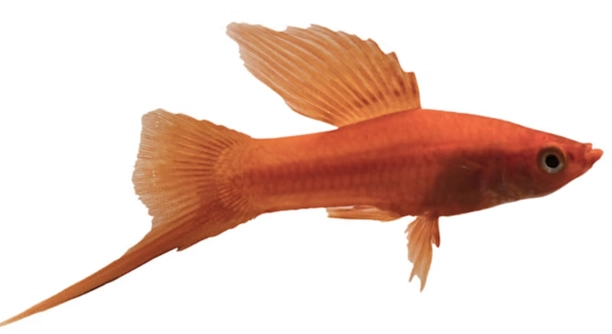
Swordtail fish are vibrant, friendly creatures that can bring a lot of joy to your aquarium. If you’re a fish owner, it’s important to understand how to build a bond with your swordtails, ensuring they feel comfortable and thrive.
Bonding with your swordtail fish involves spending time near the tank, creating a stable environment, and offering them healthy food. You can also provide enrichment with plants and decorations that mimic their natural habitat, which can reduce stress and encourage interaction.
Building a strong connection with your swordtail fish doesn’t have to be difficult. By following simple steps, you can improve their well-being and create a more rewarding experience for both of you.
Create a Comfortable Tank Environment
Swordtail fish are happiest when their tank feels like a safe, natural habitat. The right tank setup plays a key role in how well they adjust and interact with you. Begin with the correct tank size—at least 20 gallons for a few swordtails. This gives them room to swim freely and explore. Swordtails prefer plants and decorations like rocks or caves to hide in, so incorporate these to help them feel secure. Maintaining stable water conditions is essential. Regular water changes and proper filtration ensure that the environment remains clean and stress-free. Keep the water temperature between 72°F and 82°F to mimic their natural habitat. Swordtails are hardy, but the water’s quality is crucial for their health.
Providing these simple, stable conditions will make your swordtails feel more comfortable and less stressed, which can lead to a stronger connection.
They may become more active and responsive as they settle into their environment. A tank that reflects their natural surroundings allows them to thrive.
Feed Them Properly
Feeding your swordtail fish a varied diet is another way to bond with them. They enjoy high-quality flakes, pellets, and occasional live or frozen foods like brine shrimp. Offering them a balanced diet helps keep them healthy and energized. Swordtails appreciate feeding times as a form of interaction, so be consistent. Try feeding them at the same time each day, and they’ll begin to recognize you as a source of food.
A proper diet keeps them active and responsive to you, which strengthens your relationship. Just make sure not to overfeed, as that can harm their health.
When your swordtails recognize you as their provider, they may come to the surface or swim closer to you during feeding time. This small act builds trust over time.
Observe and Interact Regularly
Swordtails thrive when they have routine interactions with you. Simply spending time near the tank can help build a connection. They will gradually become more familiar with your presence and may even start swimming to the front of the tank. Interacting daily makes them feel less anxious and more comfortable around you.
As you observe your swordtails, take note of their behavior. If they seem to recognize you, it could be a sign of trust. Gently tapping on the glass or slowly moving your hand near the tank might even encourage them to come closer. Over time, they’ll associate your presence with positive experiences, like feeding.
When swordtails are accustomed to you, they may swim toward you when you approach the tank. This behavior shows a level of trust and recognition, which is rewarding for both of you. Regular interactions, even if brief, reinforce this bond and help them feel secure.
Provide a Variety of Tank Enrichment
Swordtail fish need mental stimulation, not just physical space. Providing various decorations and hiding spots in the tank can reduce stress and encourage natural behaviors. Floating plants, rocks, and tunnels are great options. These elements mimic the natural environment, offering them places to hide or explore. This type of enrichment will also allow your swordtails to feel safer and more confident.
Adding variety to their tank setup is also an opportunity for you to bond. Watching how they interact with new elements gives insight into their personalities. They may become more active and curious when their environment offers new challenges. Changing the layout of the tank from time to time can keep things fresh for them, reducing boredom.
Making your swordtail’s environment more enriching allows them to feel comfortable and confident in their space. This sense of security will strengthen the connection between you and your fish.
Be Consistent with Water Maintenance
Consistent water maintenance is crucial to swordtail health. Regular water changes, at least 25% every two weeks, keep toxins in check. Invest in a reliable filtration system to maintain water quality, as this directly impacts their comfort. Swordtails will feel more secure in a stable, clean environment.
Swordtails are sensitive to poor water quality, which can stress them out. Regular monitoring of pH levels, temperature, and ammonia levels ensures a safe environment. Keeping water quality stable reduces the chance of health issues, which will make them more likely to bond with you.
Observe Swordtail Behavior
Watching your swordtails’ behavior can tell you a lot about their mood. If they swim actively or interact with each other, they’re likely feeling comfortable. If they hide a lot or swim erratically, this could signal stress. Being mindful of these signs helps you understand their needs.
Understanding their behavior allows you to adjust their environment or routine accordingly. If you notice unusual behavior, it could mean they need a change in water quality, temperature, or even their tank setup. Observing their behavior regularly strengthens your bond by showing you care about their well-being.
Keep the Tank Peaceful
Swordtail fish do best in peaceful tank environments. Avoid overcrowding, as too many fish can cause stress and territorial issues. Swordtails can coexist with other calm species, but be mindful of any aggressive tank mates. A peaceful atmosphere encourages your swordtails to thrive and feel safe around you.
FAQ
How do I know if my swordtail fish is happy?
A happy swordtail fish will swim actively, explore its environment, and interact with other fish. If your swordtail frequently comes to the front of the tank or approaches you, it shows curiosity and comfort. Healthy swordtails have bright colors, steady swimming patterns, and generally appear alert. If they seem lethargic or hide often, it might indicate stress or health issues. Monitoring their behavior daily will help you determine their mood.
What should I feed my swordtail fish?
Swordtail fish are omnivores, so a varied diet is best for them. High-quality fish flakes or pellets should form the base of their diet. You can supplement their meals with frozen or live foods like brine shrimp, bloodworms, or daphnia. Swordtails also enjoy eating plant matter, so adding algae wafers or blanched vegetables like spinach or zucchini can be beneficial. Make sure not to overfeed, as this can lead to water quality problems and obesity. Stick to a feeding schedule, offering small amounts two to three times a day.
Can swordtail fish live with other species?
Swordtails are generally peaceful and can live with other calm species. Avoid housing them with aggressive or overly territorial fish, as this could cause stress or fighting. Good tank mates include other livebearers like mollies or guppies, as well as peaceful species like tetras or corydoras catfish. Ensure your tank has enough space for all inhabitants, as overcrowding can lead to stress and aggression. Always research the compatibility of any new fish before introducing them to your swordtails’ tank.
How big do swordtail fish get?
Swordtail fish typically grow to about 4 to 5 inches in length. Males tend to be slightly smaller than females, and the males have the characteristic sword-like extension on their tails. It’s important to provide enough space in your tank for your swordtails to swim freely as they grow. A minimum of 20 gallons is recommended for a small group, but a larger tank is always better for their overall well-being.
What is the lifespan of a swordtail fish?
Swordtail fish generally live for 3 to 5 years in a well-maintained aquarium. Factors like water quality, diet, and tank conditions can impact their lifespan. Keeping the water clean, maintaining proper temperature, and providing them with a balanced diet will help your swordtails live longer and healthier lives.
Do swordtail fish need a heater?
Yes, swordtail fish require a heater to maintain a consistent water temperature. They thrive in water temperatures between 72°F and 82°F. Fluctuating temperatures can stress them out, making them more vulnerable to disease. Invest in a reliable aquarium heater to keep the tank at the proper temperature, especially in cooler environments.
Why is my swordtail fish hiding all the time?
If your swordtail is hiding, it may be stressed, sick, or uncomfortable with its environment. Stress can stem from poor water quality, overcrowding, or aggressive tank mates. It’s essential to monitor water parameters, check for signs of illness, and ensure the tank is peaceful. Swordtails can also hide when they’re breeding or resting, so make sure they have enough hiding spots and a comfortable space to swim around.
How can I tell if my swordtail fish is pregnant?
Female swordtails carry their young for about 4 to 6 weeks before giving birth. Signs of pregnancy include a noticeably swollen belly, often darkening in color, and a gravid spot near the anal fin. As the pregnancy progresses, you may notice the female becoming more sluggish and less active. It’s important to separate the female into a breeding tank to ensure the fry are safe after birth. Provide plenty of plants or decorations for the babies to hide in once born.
Can swordtail fish breed in a community tank?
Yes, swordtails can breed in a community tank, but it’s important to be prepared for the potential arrival of fry. If you don’t want baby swordtails, you can separate the males and females or use a breeding trap. Swordtails are livebearers, meaning the females give birth to live young rather than laying eggs. If you allow them to breed in the main tank, make sure there are plenty of hiding places for the fry to avoid being eaten by adult fish.
What kind of water do swordtail fish need?
Swordtail fish prefer slightly alkaline water with a pH level between 7.0 and 8.4. They also need soft to moderately hard water, with a temperature range of 72°F to 82°F. Regular water changes are essential to maintain water quality, as swordtails are sensitive to ammonia and nitrites. A good filtration system helps keep the water clean and oxygenated, reducing the chances of stress or disease. Always test your water regularly to ensure the levels are within the appropriate range for swordtails.
Are swordtail fish easy to care for?
Swordtail fish are generally easy to care for, making them a great choice for beginners. They are hardy, adaptable, and relatively low-maintenance, as long as their basic needs are met. Regular water changes, a balanced diet, and a peaceful tank environment will keep them healthy. However, like all fish, they still require attention to water quality and proper tank conditions. With the right care, swordtails can thrive for years.
Final Thoughts
Caring for swordtail fish is a rewarding experience that doesn’t require a lot of complicated steps. They are hardy, adaptable, and can thrive in many different tank environments. By creating a comfortable space with clean water, appropriate temperature, and a peaceful atmosphere, your swordtails will likely feel secure and content. They are social fish, so maintaining good water quality and offering them enrichment will make it easier for them to interact with you. With a little attention to their needs, swordtails can grow and develop a bond with their owners.
While swordtails are relatively low-maintenance, it’s still important to keep an eye on their health. Regular feeding, water testing, and maintaining a consistent environment will ensure that your fish stay happy and healthy. If they start to show signs of stress, like hiding frequently or swimming erratically, it’s crucial to check for water issues or overcrowding in the tank. Sometimes small changes, such as adding more hiding spots or adjusting the water temperature, can make a big difference in their well-being. Consistency in care is key, and it will show in their behavior and vitality.
Overall, swordtails are great fish for both beginners and experienced hobbyists. They are beautiful, interactive, and easy to care for, as long as you provide the right environment. Whether you’re looking to simply enjoy their vibrant colors or develop a connection with them, these fish can bring a lot of joy to your home. By understanding their needs and keeping their tank in good condition, you’ll be able to enjoy their presence for years to come.

Hello,
If you enjoy the content that we create, please consider saying a "Thank You!" by leaving a tip.
Every little bit helps us continue crafting quality advice that supports the health, happiness, and well-being of pets around the world, for pets of all shapes, sizes, and species.
We really appreciate the kindness and support that you show us!