
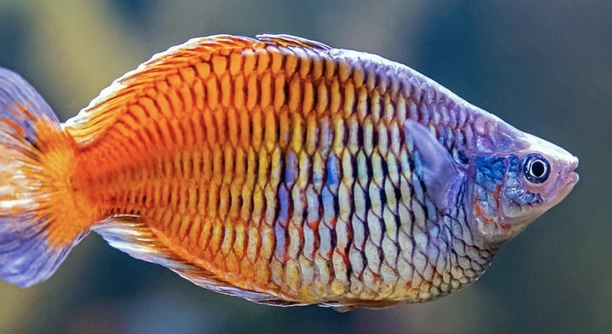
Rainbow fish are beautiful and colorful creatures, often loved by fish enthusiasts. They are social and active, making them a delightful addition to any aquarium. However, creating a strong bond with them takes time and effort.
Bonding with your rainbow fish involves providing a comfortable, stress-free environment, consistent feeding, and positive interactions. Ensuring they have the right tank conditions, companions, and attention will enhance their well-being and strengthen your connection with them.
Learning how to bond with your rainbow fish is a simple but rewarding process that will help you create a healthier aquarium.
Create a Comfortable Environment
Rainbow fish are sensitive to their surroundings. Providing a peaceful and stable environment is crucial for building trust. Ensure that your tank has proper filtration, temperature control, and water quality. Rainbow fish thrive in slightly acidic to neutral water and enjoy temperatures between 75°F and 80°F. Plants and decorations offer hiding spots, reducing stress. Overcrowding or drastic changes in the tank can make them anxious. Keep the aquarium clean and ensure proper aeration. Adding live plants to the tank also creates a more natural feel, encouraging your fish to explore. Consistency in the water conditions will make your rainbow fish feel at home.
Maintaining a healthy and stable environment will make your rainbow fish more comfortable and easier to bond with. They will become more active and confident when their surroundings are ideal.
By maintaining the right water quality and temperature, you give your rainbow fish a solid foundation for thriving. A stable and comfortable habitat will help reduce stress, allowing your fish to show more interest in their surroundings and interactions with you.
Provide a Balanced Diet
Rainbow fish need a variety of foods to stay healthy. Offer them high-quality flakes, pellets, and occasional treats like live or frozen foods. Be sure to feed them in small amounts to prevent overfeeding. Overfeeding can lead to poor water quality and can stress your fish. Rotate their meals for a balanced diet, and make sure you adjust the portion sizes based on their activity level. This will help keep them vibrant and active.
A well-rounded diet can improve your fish’s health and vitality. Rainbow fish are active and need enough nutrients to maintain their energy. Keep an eye on their eating habits and make sure they’re getting a diverse mix of foods, such as protein and plant-based options. This promotes better growth and coloration, making it easier to bond with them.
Just like any other pet, your rainbow fish need the right nutrition to thrive. By offering them a balanced, varied diet, you encourage good health and behavior. Healthy fish are more likely to engage with you and display natural, beautiful colors. They’ll feel comfortable in their environment, strengthening your connection over time.
Create a Routine
Rainbow fish thrive on routine. Consistent feeding times and stable light cycles help them feel secure. They tend to do better when they know what to expect each day. A regular routine helps build trust, as they learn to associate you with positive experiences like feeding and care.
A predictable schedule reduces their stress levels and can make them more comfortable around you. It also makes it easier for you to monitor their behavior and spot any potential health issues early. Stick to a set feeding schedule and light cycle for the best results.
Use Positive Reinforcement
Rainbow fish can associate certain actions with rewards. While they don’t respond to training in the same way as dogs, they can learn to associate you with food and attention. If they come closer to the surface during feeding, offer food as a reward. Over time, this can encourage closer interaction.
Positive reinforcement builds a sense of trust between you and your fish. When they see you as a source of care, they may become more active and responsive. This can strengthen your bond, making them more comfortable and interested in your presence.
FAQ
How can I tell if my rainbow fish are stressed?
Stressed rainbow fish may exhibit certain behaviors like hiding, rapid swimming, or unusual aggression. They might also show faded colors or swim erratically. If they start darting around or bumping into objects, it’s a sign they are uncomfortable. Poor water conditions, tank mates, or lack of hiding spots often contribute to stress. Keep an eye on your fish’s behavior, and address any changes promptly to avoid health problems.
Can rainbow fish be kept alone?
Rainbow fish are social creatures and typically prefer being in groups. Keeping them alone can lead to stress, causing them to be less active and vibrant. It’s best to keep at least five or six in a group to ensure they feel comfortable and confident. However, a pair may also be fine if your tank is small. Ensure they have enough space to swim around.
Do rainbow fish need a filter?
Yes, rainbow fish need a filter to keep the water clean. They are sensitive to poor water quality, which can lead to health problems. A good filter helps remove debris, toxins, and waste from the tank, creating a healthy environment. Be sure to clean the filter regularly and monitor water parameters to keep the tank in good condition.
How often should I change the water in my rainbow fish tank?
Water changes should be done regularly, usually around 20-30% of the tank water every 1-2 weeks. This helps maintain water quality and remove toxins. However, if you notice cloudy water or excessive algae buildup, you may need to change it more frequently. Always check water parameters like pH, ammonia, nitrite, and nitrate levels before performing changes to ensure your fish’s health.
Can rainbow fish live with other species?
Rainbow fish are peaceful and typically get along with other non-aggressive species. They do well in community tanks with other calm fish like tetras, gouramis, or rasboras. However, avoid aggressive fish that may bully your rainbow fish. Keep an eye on the tank dynamics to make sure all fish are getting along and none are stressed.
What should I do if my rainbow fish are not eating?
If your rainbow fish are not eating, it could be due to water quality issues, stress, or illness. Check the water parameters first to ensure they are within the optimal range. If the water is fine, try offering different foods or removing any aggressive tank mates. If the issue persists, it’s best to consult a veterinarian to rule out health problems.
What size tank do rainbow fish need?
Rainbow fish need a minimum of a 20-gallon tank for a small group of 3-4 fish. A larger tank is better, especially if you want to keep a bigger group or other species. Providing enough swimming space will help reduce stress and allow your fish to be more active. Make sure the tank is well-filtered and has plenty of places for hiding.
How can I improve the color of my rainbow fish?
To enhance the color of your rainbow fish, ensure they have a proper diet with high-quality food. A mix of flakes, pellets, and occasional live or frozen foods will help boost their vibrant hues. Maintaining good water quality and a stable environment also plays a role in their color intensity. Stress can cause rainbow fish to lose some of their vibrancy, so keeping them calm and healthy will encourage their colors to stand out.
Why are my rainbow fish fighting?
Occasional nipping or mild aggression can happen, especially during breeding season or when establishing dominance. However, persistent fighting might indicate that your tank is too small, or your fish are stressed. Ensure there are enough hiding places and territories to reduce conflict. If aggression is severe, consider separating overly aggressive individuals.
Do rainbow fish breed easily in home aquariums?
Rainbow fish can breed in home aquariums, but it is not always easy. They require specific water conditions, such as slightly acidic or neutral pH and a temperature around 75°F to 80°F. Providing plenty of plants for the eggs to stick to is helpful. Once breeding occurs, the parents should be removed to prevent them from eating the eggs. Patience is required, as rainbow fish can be somewhat tricky to breed successfully in a home tank.
How long do rainbow fish live?
Rainbow fish generally live for around 5-7 years in a well-maintained aquarium. However, some species can live even longer with optimal care. Proper water quality, a balanced diet, and stable tank conditions are key factors in helping them reach their full lifespan. Regular health checks and attention to their needs will improve their longevity.
Can rainbow fish be kept with shrimp?
Rainbow fish can be kept with shrimp, but care should be taken to select the right types. Larger rainbow fish may see small shrimp as food. However, if you have smaller or adult shrimp that are not as vulnerable, they can coexist peacefully. Make sure to monitor the situation closely to ensure the shrimp are not being eaten.
Do rainbow fish need a lot of light?
Rainbow fish do not require excessive light, but they do benefit from a consistent day and night cycle. Around 10-12 hours of light per day is sufficient. Bright lighting can enhance their colors and make them more active, but avoid leaving the light on too long, as this can lead to algae growth and stress.
Can rainbow fish survive in brackish water?
Rainbow fish generally prefer freshwater environments. While some species can tolerate slightly brackish conditions, it is not recommended for most types. If you plan to keep rainbow fish in brackish water, it’s essential to research the specific species to ensure they can handle it. Most rainbow fish will thrive in stable, freshwater tanks.
How do I handle illness in my rainbow fish?
If your rainbow fish show signs of illness, like abnormal swimming, lesions, or loss of appetite, it’s important to act quickly. Check the water quality first, as poor water conditions can cause stress and illness. Isolate sick fish in a quarantine tank to prevent the spread of disease. Depending on the illness, you may need to treat the tank with medication or adjust the water conditions.
Do rainbow fish require a lot of care?
Rainbow fish are relatively low-maintenance as long as their basic needs are met. Regular water changes, a balanced diet, and a clean, well-filtered tank will help keep them healthy. Monitoring their behavior and water conditions is important, but they don’t require excessive attention. With the right care, they will thrive and be a colorful addition to your tank.
Final Thoughts
Bonding with your rainbow fish doesn’t require anything overly complex. By providing the right environment, a balanced diet, and consistent care, you can build a strong connection with these colorful creatures. They are active and social, which makes them enjoyable to watch and interact with. Over time, you’ll start to notice them responding to your presence, and they may even approach you when it’s time for feeding. This gradual trust-building process helps make them feel more at ease and encourages a better relationship with you as their caretaker.
It’s important to understand that rainbow fish are sensitive to their surroundings. Ensuring stable water quality, appropriate tank mates, and an environment that mimics their natural habitat will help your fish thrive. They aren’t overly demanding, but they do require consistency in care. Small things, like setting a feeding schedule or maintaining a clean tank, can make a significant difference in their health and behavior. Being patient and attentive to their needs allows you to enjoy watching them grow and flourish in your aquarium.
Ultimately, the bond you share with your rainbow fish will grow naturally over time. Fish are not like other pets in terms of interaction, but they still develop a sense of familiarity with their owners. With a little attention and care, you’ll have a beautiful aquarium filled with vibrant fish that feel at home. As your fish become more accustomed to their environment, you’ll notice their confidence and liveliness increasing, making it a rewarding experience for both you and your rainbow fish.

Hello,
If you enjoy the content that we create, please consider saying a "Thank You!" by leaving a tip.
Every little bit helps us continue crafting quality advice that supports the health, happiness, and well-being of pets around the world, for pets of all shapes, sizes, and species.
We really appreciate the kindness and support that you show us!