
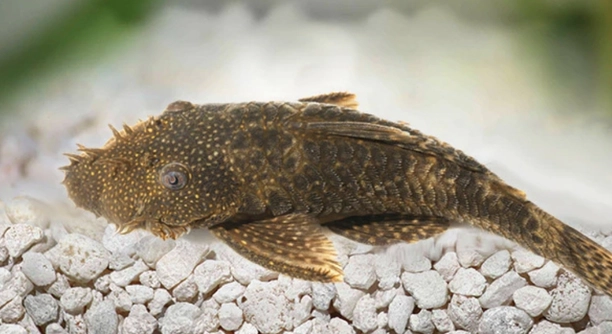
Have you ever spent time watching your plecostomus and wondered if it even knows you’re there or cares at all?
The best way to bond with your plecostomus is by creating a calm, enriched environment where it feels safe and secure. Providing hiding spots, offering varied food, and respecting its space help strengthen the connection over time.
Building a better relationship with your pleco doesn’t require complex tricks—just a bit of patience and small changes to your routine.
Offer a Safe and Comfortable Environment
Plecostomus are shy by nature, so they need a peaceful tank setup to feel at ease. A well-balanced tank with stable water parameters, low lighting, and plenty of hiding spaces can go a long way in making your pleco feel secure. Use driftwood, caves, and plants to give it options to explore or rest without feeling exposed. Avoid loud noises around the tank and reduce sudden movements near the glass. A calm environment not only supports its health but helps build a quiet trust over time. When your pleco feels safe, it will start to move around more, making subtle interactions easier to notice.
This quiet behavior might seem distant at first, but it’s often a sign that your pleco is becoming comfortable in its home.
Once your plecostomus feels safe, it begins to recognize patterns—like feeding time or when you sit by the tank. This small recognition is your starting point for building trust. While plecos aren’t cuddly pets, their behavior can still reflect a bond. You’ll notice how they stay out longer, hover in visible spots, or even wait for food near the front. Just by keeping their environment calm and consistent, you’re building a steady, respectful connection that they respond to in their own quiet way.
Provide a Varied Diet
Feeding your pleco more than just algae wafers can make a difference in how it interacts with its environment—and with you.
Offer fresh vegetables like zucchini or cucumber slices, along with sinking pellets or gel-based foods made for bottom feeders. You can also include protein sources like blanched shrimp or high-quality wafers with added nutrients. Rotating foods keeps your pleco healthy and interested during feeding time. A varied diet supports energy and encourages activity, which makes interactions more frequent. Use feeding clips to keep vegetables in place, and remove any leftovers to maintain water quality. Over time, your pleco will associate your presence with mealtime and may even come closer when you approach.
Food is one of the most reliable ways to build a bond. Plecostomus are cautious, but when food consistently appears with your presence, they start to make a connection. Feeding at the same time each day reinforces that trust. You might not notice much at first, but as your pleco grows used to the routine, it may start to swim toward the food clip while you’re still placing it. Watching them eat up close gives you more chances to observe their behavior, and it builds a subtle interaction pattern that strengthens your relationship over time.
Maintain a Consistent Routine
Plecostomus respond well to consistency. Keeping a steady routine for feeding, lighting, and tank maintenance helps reduce stress and encourages more relaxed behavior over time. Repetition builds familiarity, and that familiarity can turn into subtle signs of recognition.
Keep the tank lights on a schedule—around 8 to 10 hours a day—and feed at the same times, using the same general motions or tools. Plecos begin to notice these patterns and adjust their habits to match. They may start to become more active during feeding hours or peek out from their hiding spots when they sense it’s time to eat. Consistency also helps you monitor their health more easily since you’ll be familiar with their usual behaviors. A regular cleaning schedule keeps the water stable, which also supports bonding by minimizing sudden changes that can startle or stress your pleco.
Once routines are in place, your plecostomus becomes less reactive to your presence and more comfortable moving around the tank when you’re near. Try approaching the tank slowly at the same time each day and watch how your pleco behaves. Over time, it may begin to show more activity when it sees you. This response is subtle but meaningful. It shows that your pleco is feeling secure enough to remain visible while you’re nearby. Patterns build comfort, and comfort builds trust.
Use Hand Feeding Techniques
Start by placing food in the tank when you’re nearby. Over time, your pleco may start to associate your presence with feeding and become more visible. Once that happens, try using feeding tongs to gently offer a piece of food close to where it hides.
Be patient—hand feeding can take time, especially with a shy pleco. Move slowly and avoid tapping the glass. If your pleco doesn’t respond at first, try again another day. Over time, some plecos will begin to take food directly from feeding tongs or even from your hand, especially if the tank is calm and quiet. This method encourages your pleco to come closer, allowing you to observe it up close. Even if it never takes food directly, being nearby during feeding helps your pleco get used to your presence in a low-stress way. That quiet interaction becomes a small but meaningful bond.
Observe and Learn Their Habits
Watching your plecostomus regularly helps you understand its normal behavior. This includes when it’s most active, how it feeds, and where it likes to rest. Noticing these patterns helps you adjust your actions to make it feel more comfortable.
Some plecos are more active at night or early morning. By observing quietly, you’ll begin to see when it’s most relaxed. This makes it easier to plan interactions without causing stress or surprising it during its resting time.
Respect Their Space
Plecostomus are not social fish in the same way some others are. They value their space and will retreat when they feel overwhelmed. Avoid tapping on the tank or constantly moving decorations. Giving your pleco room to hide without disruption shows respect for its boundaries. In time, this creates a calmer environment and allows it to interact more comfortably. Watching without interfering is often the best way to build a bond.
Keep the Tank Clean
A clean tank reduces stress and keeps your pleco healthy. Regular water changes, filter checks, and removal of waste help create a stable environment your pleco can thrive in. Clean water means fewer disruptions, and fewer disruptions help build quiet trust over time.
FAQ
Can plecostomus recognize their owner?
Plecostomus don’t recognize their owners in the same way a dog or cat might, but they can become familiar with your presence. Over time, they may associate you with feeding, light changes, or movements around the tank. If you keep a consistent routine and avoid sudden motions, your pleco might start coming out when it sees you nearby. This behavior is usually tied to habits and comfort rather than emotional recognition, but it still reflects a level of trust and awareness that can be rewarding to watch.
How do I know if my plecostomus is stressed?
Signs of stress in plecos include staying hidden constantly, rapid gill movement, dull coloring, or erratic swimming. A stressed pleco may also stop eating or seem more reclusive than usual. Stress often comes from poor water quality, sudden tank changes, loud noises, or lack of hiding spaces. To help, check your water parameters, provide plenty of cover, and try to keep activity around the tank calm and steady. Once stress is reduced, their natural behavior usually returns gradually. Regular observation helps you catch these signs early.
Is it okay to keep plecostomus alone?
Yes, most plecos are solitary and do well on their own, especially in smaller tanks. While some species can tolerate tank mates, many are territorial, especially with other bottom dwellers or other plecos. If you do add other fish, choose peaceful species that don’t compete for the same space or food. Always monitor for signs of aggression or stress. Giving your pleco its own space with plenty of hiding areas keeps it calm and helps avoid conflicts. In most cases, a single pleco in a peaceful tank is perfectly fine.
How often should I feed my plecostomus?
Feed your plecostomus once a day, preferably in the evening or just after lights go off, as many are more active at night. Offer a mix of sinking algae wafers, blanched vegetables, and protein-based foods once or twice a week. Avoid overfeeding—leftover food can affect water quality. If you notice uneaten food after an hour or two, try offering smaller portions next time. Keeping a steady feeding schedule not only supports health but helps your pleco form positive associations with your presence.
Do plecos enjoy interaction?
Plecostomus aren’t interactive in a playful or social way, but they do show signs of curiosity. Once they feel safe, they may come out more often when you’re nearby, especially during feeding times. They may stay visible at the front of the tank or swim near your hand if you’re placing food. They won’t seek out attention, but they can tolerate and even respond to quiet, respectful presence. Over time, that small interaction becomes its own type of bond.
Why does my plecostomus hide all the time?
Hiding is a normal behavior for plecos. They’re naturally shy and prefer dark, quiet spaces. If your pleco is always hidden, it could mean it doesn’t feel safe enough to come out, especially if the tank is too bright, noisy, or lacks enough cover. Adding driftwood, caves, or plants can help. Over time, as the tank becomes more comfortable, it may begin to explore during calmer periods of the day. Watching from a distance and limiting disruptions can encourage more natural behavior.
Can I hand feed my plecostomus?
Yes, some plecos can learn to take food directly from feeding tongs or even your hand, but it takes patience. Start by feeding near their hiding spot and keep your hand steady. Use soft, fresh vegetables or wafers that stay together underwater. Over time, if the pleco feels safe, it may begin to approach during feeding. Not all plecos will hand feed, and that’s okay. The key is building a calm, predictable routine they can get used to without pressure or sudden changes.
Final Thoughts
Bonding with a plecostomus looks different from bonding with more social pets. They don’t seek out attention or interaction, but they do respond to calm, consistent care. A stable environment, regular feeding, and quiet observation help create a space where your pleco feels secure. Over time, your pleco may start to show more activity when you’re near, or come out more during feeding times. These changes might seem small, but they’re signs that your pleco is comfortable with you and the routine you’ve created. That kind of quiet connection can be just as rewarding as more obvious interactions with other animals.
It’s important to remember that every plecostomus has its own pace. Some may become more visible and curious more quickly, while others stay hidden longer. Neither behavior means anything is wrong—it just means they’re adjusting in their own way. If your pleco is eating well, has energy, and shows its usual patterns, there’s no need to worry. Keep up with water changes, watch for any sudden changes in behavior, and try not to disturb the tank too much. Avoid forcing interaction or changing things too often. The more peaceful and steady the environment, the more your pleco will start to show its natural habits.
In the end, bonding with a plecostomus is about building trust slowly, without rushing. It’s less about active play and more about quiet moments of care and observation. Over time, you’ll learn its patterns, favorite spots, and how it reacts to you being nearby. You may not get dramatic displays of affection, but you’ll get to know a calm, unique pet that responds in its own way. That’s what makes keeping a pleco special. It teaches patience and awareness. Even if the bond is quiet, it still exists—and it grows each time you show up, feed it, and care for its space.

Hello,
If you enjoy the content that we create, please consider saying a "Thank You!" by leaving a tip.
Every little bit helps us continue crafting quality advice that supports the health, happiness, and well-being of pets around the world, for pets of all shapes, sizes, and species.
We really appreciate the kindness and support that you show us!