
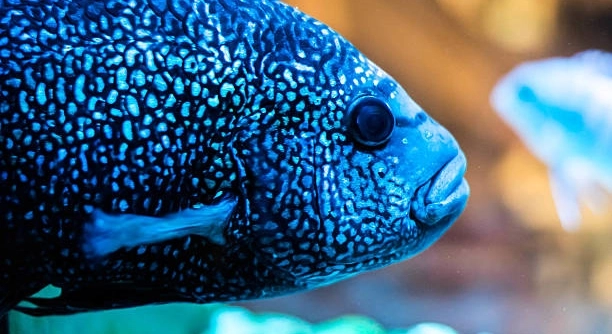
Do you ever find yourself wanting a calmer, more trusting relationship with your Jack Dempsey fish while caring for its needs, temperament, and daily routine inside a well maintained home aquarium environment over time together.
Bonding with a Jack Dempsey fish relies on consistent care, controlled interaction, and environmental stability, as these fish respond positively to routine, recognition, and reduced stress, which gradually strengthens trust and familiar behavior within a properly maintained aquarium setting environment.
By learning practical bonding methods, you can create a healthier environment that supports confidence, connection, and long term well being.
Maintain a Consistent Feeding Routine
Consistency plays a major role when bonding with a Jack Dempsey fish, especially during feeding times. I noticed improved behavior once meals followed the same schedule daily. Regular feeding reduces stress, builds recognition, and allows the fish to associate your presence with safety. Hand movements near the tank should remain slow and predictable to avoid startling reactions. Offering high quality pellets, frozen foods, and occasional treats in measured portions supports health while reinforcing routine. Overfeeding should be avoided, as it leads to water quality issues and agitation. A calm approach during feeding encourages the fish to stay visible, observe closely, and respond with confidence rather than defensive behavior. This steady pattern also helps establish trust over time, making daily care feel balanced and allowing the fish to remain active without displaying excessive aggression or hiding behaviors during routine tank maintenance sessions and water changes that occur weekly without disruption consistently.
Feeding consistency encourages recognition and reduces unpredictable reactions. When meals arrive on time, your Jack Dempsey remains calmer and more responsive. This reliability creates a foundation for trust and helps prevent aggressive displays that often develop from stress or confusion within the aquarium environment over time with consistent care applied.
Maintaining a regular feeding routine also allows you to observe subtle behavior changes early. I find this helpful for noticing shifts in appetite, posture, or activity levels. These observations support timely adjustments to diet and tank conditions. Feeding at the same location each time encourages familiarity and reduces territorial tension. Over time, the fish begins to anticipate your presence calmly. This steady interaction builds comfort without forcing contact. A predictable routine respects the fish natural instincts while supporting stability, health, and a more cooperative temperament within the aquarium setting boundaries that benefit both caretaker and fish during daily care periods.
Create a Calm Aquarium Environment
A calm aquarium environment supports bonding by reducing stress and aggressive responses. Stable lighting, minimal noise, and controlled tank activity help your Jack Dempsey feel secure. When surroundings remain consistent, the fish displays more confidence and spends less time hiding or reacting defensively during regular observation and care sessions daily.
Environmental stability plays a critical role in shaping daily behavior. I learned that sudden changes in decor, lighting, or water parameters often trigger defensive reactions. Keeping decorations arranged consistently helps the fish establish territory without constant adjustment. Soft lighting cycles support natural rhythms and prevent overstimulation. Background noise should remain low, as vibrations can cause agitation. Proper filtration maintains water clarity while reducing waste buildup that leads to discomfort. Regular water changes performed gently prevent shock and preserve balance. Plants, rocks, and hiding spaces should be positioned to allow retreat without crowding. When the tank feels predictable, the fish becomes more visible and less reactive. Over time, this stability encourages trust and reduces aggressive displays. A well managed environment allows bonding efforts to develop naturally through observation and routine care, rather than forced interaction or excessive handling. I noticed improvements in appetite, posture, and swimming patterns once conditions remained stable. Consistency also simplifies maintenance, making care predictable and less disruptive for the fish overall. This approach supports long term health and creates a calmer shared routine that benefits both daily observation and responsible aquarium management without unnecessary stress or sudden environmental shifts that interrupt bonding progress over time consistently applied.
Use Gentle Daily Interaction
Daily interaction helps build familiarity when it remains calm and consistent. I approach the tank slowly, pause, and allow my Jack Dempsey to observe without pressure. This reduces defensive behavior and encourages relaxed swimming patterns near the glass during routine observation periods that develop naturally over time with steady care.
Consistent visual presence strengthens recognition without forcing interaction. I spend short periods standing near the aquarium each day, avoiding tapping or sudden movement. This allows the fish to associate my presence with safety rather than disruption. Over time, the Jack Dempsey becomes less reactive and more curious, often approaching the front of the tank. Gentle hand movements during feeding or maintenance reinforce predictability. These repeated exposures help reduce stress responses and encourage confidence. Patience remains essential, as pushing interaction too quickly can reverse progress and trigger aggressive displays that delay bonding efforts and affect long term behavioral stability within aquariums.
Observation without interference teaches respect for boundaries. I watch posture, fin movement, and swimming speed to understand comfort levels. Recognizing early stress signals allows adjustments before problems escalate. When the fish flares gills or retreats, I reduce activity around the tank. Respecting these signals prevents fear responses and builds trust gradually. Over time, the Jack Dempsey tolerates closer presence without agitation. This awareness based approach supports bonding while honoring the fish natural instincts. It creates interaction based on understanding rather than control, which leads to steadier behavior patterns and promotes consistent responses during daily care routines over extended periods overall.
Respect Territorial Behavior
Jack Dempsey fish display strong territorial behavior that must be respected during bonding. I avoid rearranging decor frequently and keep my hands clear of established areas. This reduces defensive reactions and helps the fish feel secure. Respecting territory allows calmer observation, smoother maintenance, and fewer aggressive responses during routine care activities which supports stability and reduces unnecessary stress over extended periods within the aquarium environment consistently maintained over time with proper planning applied carefully daily.
Territorial awareness also guides safe interaction timing. I perform tank maintenance slowly and at consistent times to avoid surprise. Feeding occurs away from favored hiding spots to prevent defensive charging. Providing clear boundaries through rocks and plants helps the fish establish space without constant patrol. When territory feels secure, aggressive displays decrease noticeably. This creates opportunities for calm presence near the tank without provoking stress responses. Respecting space does not limit bonding. Instead, it shows reliability. Over time, the Jack Dempsey responds with steadier behavior, improved appetite, and visible comfort during observation. Territorial respect forms a foundation for trust built through consistency rather than forced engagement that supports long term stability and predictable interactions during routine care practices within the aquarium setting daily overall consistently.
Maintain Proper Tank Maintenance
I rely on consistent tank maintenance to support trust and stability. Weekly water changes, gentle filter cleaning, and steady parameters prevent stress. When maintenance follows a routine, my Jack Dempsey remains calm, visible, and less reactive during care, which helps bonding progress naturally over time with fewer disruptions overall daily.
Clean water quality supports health and predictable behavior. I avoid sudden adjustments and test parameters regularly. Stable temperature, pH, and filtration reduce irritation and aggression. This steady care creates comfort, allowing the fish to respond calmly to my presence during routine observation periods without added stress or disruption over time.
Use Thoughtful Tank Decor
I use tank decor to encourage comfort and controlled exploration. Rocks, caves, and plants provide retreat without crowding swimming space. I place decor intentionally and avoid frequent changes. Clear hiding options reduce stress responses and limit defensive behavior. When the environment feels secure, my Jack Dempsey swims openly and maintains steady posture. Balanced layout also helps manage territory without constant aggression. I notice improved feeding response and calmer reactions during maintenance. Thoughtful decor placement supports confidence, reduces tension, and allows bonding to grow through familiarity rather than forced interaction or constant environmental disruption that affects daily stability and long term.
Avoid Overcrowding the Aquarium
I avoid overcrowding to prevent stress and aggression. Fewer tank mates reduce competition and territorial disputes. When space feels adequate, my Jack Dempsey shows calmer behavior and stronger appetite. Proper stocking supports balance, comfort, and steady interaction without triggering defensive displays during daily care routines over extended periods of time.
FAQ
How long does it take to bond with a Jack Dempsey fish?
Bonding takes time and depends on consistency rather than speed. In my experience, noticeable changes often appear after several weeks of stable care. Regular feeding schedules, calm interaction, and minimal disruption allow the fish to recognize patterns. Trust develops gradually as the fish learns that your presence does not signal threat. Rushing interaction usually delays progress. Patience creates better results than frequent changes.
Can Jack Dempsey fish recognize their owner?
Jack Dempsey fish can recognize routine and visual cues linked to the person providing care. I noticed calmer swimming and reduced hiding once my presence became predictable. While recognition differs from emotional attachment, familiarity lowers stress. The fish associates movement, feeding timing, and maintenance behavior with safety. This recognition supports calmer responses over time.
Is hand feeding recommended for bonding?
Hand feeding can support bonding if done carefully and only after trust begins forming. I waited until defensive behavior reduced before attempting it. Sudden movements or early attempts often cause stress. Using tools at first helps bridge the gap. Hand feeding should remain occasional and controlled to prevent dependency or aggression during feeding periods.
Does tank size affect bonding behavior?
Tank size plays a significant role in behavior and bonding. Larger tanks reduce stress by providing space and clear boundaries. I observed fewer aggressive displays after upgrading tank size. Adequate space allows the fish to retreat when needed, which builds confidence. A cramped environment limits comfort and increases defensive reactions, making bonding more difficult.
Why does my Jack Dempsey flare gills when I approach the tank?
Gill flaring is a defensive signal rather than rejection. Early in care, I saw this response frequently. It often reflects uncertainty or perceived intrusion. Reducing sudden movement and maintaining routine usually lowers this behavior. Over time, as familiarity increases, gill flaring becomes less frequent and less intense.
Can frequent tank changes harm bonding progress?
Frequent changes disrupt stability and slow bonding. I learned that rearranging decor or adjusting parameters too often increases stress. Consistency allows the fish to establish territory and predict outcomes. Necessary maintenance should remain gentle and scheduled. Limiting unnecessary changes supports calm behavior and strengthens familiarity.
Do Jack Dempsey fish prefer interaction or observation?
Jack Dempsey fish respond better to observation than direct interaction. I found that simply being present near the tank encouraged calmer responses. Forced interaction often leads to withdrawal or aggression. Allowing the fish to approach on its terms respects boundaries. Observation based care supports steady bonding without pressure.
Is it normal for bonding progress to fluctuate?
Bonding progress is not always linear. I experienced periods of improvement followed by brief setbacks. Environmental changes, water conditions, or minor stressors can influence behavior. Returning to routine usually restores balance. Temporary regression does not mean failure. Consistency remains the most reliable approach.
Can lighting affect bonding behavior?
Lighting influences stress levels and visibility. Harsh or inconsistent lighting caused agitation in my setup. Soft, scheduled lighting helped maintain calm behavior. Predictable lighting cycles support natural rhythms. When lighting remains stable, the fish appears more relaxed and responsive during observation periods.
Should tank mates be removed during bonding?
Tank mates can complicate bonding depending on compatibility. I noticed calmer behavior when tank mates were limited or absent. Reduced competition lowers stress and territorial tension. If tank mates remain, providing adequate space and hiding areas becomes essential. Bonding improves when environmental pressure stays low.
Does bonding change the fish temperament long term?
Bonding does not eliminate natural traits but improves predictability. Over time, my Jack Dempsey displayed steadier behavior and reduced defensive reactions. The fish remained territorial yet calmer during routine care. Bonding supports mutual familiarity rather than altering instinctive behavior completely.
What mistakes slow bonding the most?
Inconsistency causes the most delay. Skipping routines, sudden movements, and frequent changes disrupted progress for me. Overfeeding and overcrowding also increased stress. Correcting these habits restored stability. Bonding improves when care remains predictable and patient over extended periods.
Final Thoughts
Bonding with a Jack Dempsey fish is built through steady habits, calm presence, and respect for natural behavior. I learned that progress comes from consistency rather than constant effort. Small actions repeated daily carry more impact than occasional interaction. Feeding on schedule, maintaining stable water conditions, and moving slowly around the tank all contribute to trust. These fish respond to predictable environments where stress is limited and boundaries are clear. Expecting quick results often leads to frustration, but patience allows natural behavior to surface. Over time, familiarity replaces defensiveness, and the fish becomes more comfortable remaining visible. This process does not require constant engagement. It requires awareness, restraint, and reliable care that supports stability.
It is important to remember that bonding does not mean changing the fish nature. Jack Dempsey fish remain territorial and alert by instinct. Bonding simply reduces unnecessary stress and improves cooperation during routine care. I noticed calmer reactions during feeding and maintenance once routines stayed consistent. Observation became easier, and behavior patterns felt more predictable. Respecting space played a large role in this shift. Avoiding sudden changes and limiting disruptions allowed the fish to settle into its environment. This approach benefits both caretaker and fish. Care becomes smoother, and the aquarium feels more balanced. Bonding grows quietly through repeated positive experiences rather than forced interaction or constant attention.
The most valuable lesson I learned was to slow down and let familiarity develop naturally. Bonding happens in subtle ways, such as reduced hiding, steadier swimming, and calmer posture. These signs often appear gradually and are easy to overlook without patience. Paying attention to behavior helps guide better decisions and prevents unnecessary adjustments. A stable environment supports long term health and predictable responses. While bonding requires time, it also creates a more rewarding care experience. The aquarium becomes easier to manage, and the fish behavior feels more consistent. This balance supports responsible ownership and allows the fish to thrive within its environment.

Hello,
If you enjoy the content that we create, please consider saying a "Thank You!" by leaving a tip.
Every little bit helps us continue crafting quality advice that supports the health, happiness, and well-being of pets around the world, for pets of all shapes, sizes, and species.
We really appreciate the kindness and support that you show us!