
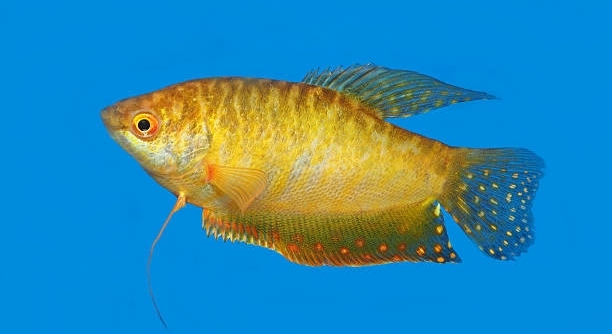
Giant gouramis are gentle, intelligent fish that can form unique connections with their owners. Many people enjoy observing their behaviors and learning how these large freshwater fish interact within their environment. Their presence can be calming and engaging.
Bonding with a giant gourami involves consistent interaction, proper feeding routines, and understanding their natural behaviors. Providing a stable environment, gentle handling, and regular observation helps establish trust, while responding to their cues encourages a stronger connection between fish and owner.
Learning how to interact with your giant gourami can improve both their well-being and your enjoyment as an owner. These practices create a more harmonious and fulfilling experience in the aquarium.
Establish a Comfortable Environment
Creating a safe and stable environment is essential for bonding with your giant gourami. Begin by ensuring the tank is large enough for their size, as these fish can grow quite big. Include hiding spots and plants to make them feel secure. Maintain clean water with regular filtration and check water parameters consistently. Temperature should stay within the recommended range, and sudden changes should be avoided. Gentle lighting can reduce stress, while a consistent day-night cycle supports natural behavior. Avoid overcrowding the tank, as territorial behavior can interfere with bonding. Observing your fish in a calm setting allows them to become familiar with your presence. Over time, they will begin to recognize routines and associate you with positive experiences, such as feeding or tank maintenance. This foundation of comfort and predictability is the first step toward meaningful interaction.
A peaceful and consistent environment reduces stress, helping your giant gourami feel secure and open to interaction.
Setting up the tank carefully allows you to notice subtle behaviors and body language. When the fish feels safe, it will swim confidently, explore, and show curiosity. By controlling variables like water quality, temperature, and lighting, you create conditions that support trust. This stability encourages regular feeding and interaction routines. Over time, your presence becomes part of the daily environment, making the fish more receptive to gentle gestures, hand-feeding, or observing alongside you. A calm environment also minimizes aggressive tendencies and health issues, which can disrupt bonding. Paying attention to tank layout, decoration, and consistent care builds a natural rhythm between you and the giant gourami, paving the way for closer connection and mutual recognition.
Use Gentle Interaction
Start with short, calm interactions near the tank, speaking softly or moving slowly.
Regular, gentle interaction encourages your giant gourami to respond to your presence. Spending time near the tank, offering food, and observing reactions strengthens recognition. Hand-feeding is effective, while avoiding sudden movements prevents stress. These interactions build trust gradually.
Consistent gentle interaction helps the fish associate you with safety and positive experiences. Approach the tank quietly and avoid tapping the glass. Over days and weeks, your presence will become familiar. Offering treats by hand allows the fish to connect feeding with interaction. Even simple gestures, like following your movements with its eyes or swimming closer, indicate growing trust. Avoid forcing contact or chasing, as it can create fear. Respecting their pace ensures the bond develops naturally, and you will notice increased responsiveness, curiosity, and engagement. Through these small, repeated actions, your giant gourami begins to recognize you and reacts positively, laying the groundwork for deeper connection over time.
Encourage Feeding Interaction
Offering food by hand helps build trust and recognition between you and your giant gourami. Start with small portions and slow movements, letting the fish take the food at its own pace.
Hand-feeding encourages the fish to associate your presence with positive experiences. Begin by placing food near the surface and gradually moving closer over time. Use consistent feeding times to reinforce routines, and vary the food slightly to keep them engaged. Observe how the fish responds to your movements, learning when it feels comfortable approaching. Avoid sudden gestures, as these can startle them and slow the bonding process. Repetition and patience are key to making feeding interaction a natural part of daily care.
During feeding sessions, pay attention to body language and swimming patterns. A relaxed posture, smooth movements, and gentle nibbling indicate comfort. If the fish hesitates, step back and give space before trying again. Over weeks, the giant gourami will begin to recognize your hand as a source of food and safety. Consistent interaction strengthens trust, making them more willing to explore, swim closer, and engage with you in other ways. Gradually, feeding becomes a rewarding ritual for both of you, reinforcing a sense of connection and mutual recognition in the tank environment.
Provide Mental Stimulation
Introduce objects or toys that encourage exploration and curiosity in the tank. Simple items like floating plants or floating targets can engage the fish.
Mental stimulation keeps giant gouramis active and reduces boredom. Rotate decorations or add new elements to maintain interest. Observing how the fish interacts with different objects provides insight into personality and preferences. This engagement strengthens their comfort with their environment and with you.
Offering challenges like rearranged plants or safe enrichment items encourages problem-solving and investigation. Your fish may push, nibble, or swim around new objects, showing curiosity and intelligence. Using floating or interactive items that respond to movement allows the giant gourami to associate playtime with your presence. Over time, they may follow your gestures or explore objects you introduce, creating opportunities for interaction beyond feeding. Consistent mental stimulation reduces stress and promotes natural behaviors, making your fish more confident and receptive to interaction. Through these activities, the bond strengthens as the fish learns to anticipate enrichment and recognizes your role in providing engaging experiences.
Practice Gentle Touch
Giant gouramis can respond positively to gentle, careful touch. Use slow, steady movements when introducing contact, and avoid sudden gestures that may startle them.
Focus on calm interactions, letting the fish guide the pace. Touch should be minimal at first, gradually increasing as trust grows. Observing their reactions ensures comfort and safety.
Observe Behavior Patterns
Pay close attention to your fish’s daily routines, swimming habits, and responses to your presence. Recognizing patterns helps predict moods and preferences, improving interaction and care. This knowledge also identifies stress signs early. Regular observation builds a stronger understanding of their unique personality, fostering trust.
Offer Varied Diet
Providing a mix of foods ensures nutritional balance and keeps the fish interested in feeding sessions. Rotate between pellets, vegetables, and occasional protein treats to maintain health and engagement.
How often should I feed my giant gourami?
Giant gouramis should be fed once or twice daily, depending on their size and age. Younger fish require more frequent meals, while adults can thrive on a controlled feeding schedule. Offer small portions that can be consumed within a few minutes to avoid overfeeding, which can harm water quality. Include a mix of high-quality pellets, fresh vegetables, and occasional protein sources like shrimp or worms. Observing how much your fish eats each session helps adjust portions over time. Consistency in timing helps the fish recognize feeding routines, strengthening their comfort and trust with you.
Can giant gouramis recognize their owner?
Yes, giant gouramis can recognize their owners over time. They identify familiar figures through routine and interaction rather than visual details alone. Regular feeding, gentle presence near the tank, and calm observation help them associate you with safety and food. Over weeks, they may approach the tank, follow movements, or respond to gestures, showing recognition. The fish’s behavior becomes more predictable, and subtle signs like swimming closer or waiting near the surface indicate growing trust. Bonding develops gradually, and consistent, gentle engagement reinforces their comfort with your presence.
Is it safe to touch a giant gourami?
Touching a giant gourami is possible, but it must be done carefully and minimally. Always move slowly, allowing the fish to guide the interaction. Start with brief contact near the sides or fins without applying pressure. Avoid sudden gestures or attempting to hold the fish, which can cause stress. Gentle touch over time can strengthen trust, but the fish’s comfort is the priority. Observing their reactions helps determine when they are ready for more interaction. Never force contact, as this can create fear and set back bonding efforts.
What signs show my giant gourami is stressed?
Stress in giant gouramis can appear as erratic swimming, hiding, loss of appetite, or rapid gill movement. Discoloration or clamped fins may also indicate discomfort. Poor water quality, sudden temperature changes, or overcrowding are common stressors. Monitoring behavior daily allows early detection and intervention. Adjusting tank conditions, maintaining consistent routines, and minimizing disturbances reduce stress. Providing hiding spots and gentle interaction supports recovery. Recognizing these signs helps ensure the fish remains healthy and comfortable, which is critical for successful bonding.
How can I introduce new items or decorations safely?
Introduce new items slowly and observe reactions. Place decorations or toys in one area first and monitor whether the fish explores or avoids them. Avoid sharp or unstable objects that could injure the fish. Gradual introduction reduces stress and encourages curiosity. Over time, your giant gourami may interact with new items more confidently. Repeating this approach allows safe exploration and mental stimulation. Changing objects occasionally maintains engagement without overwhelming the fish, supporting both trust and interest in the environment.
Do giant gouramis respond to hand-feeding immediately?
Some giant gouramis may be cautious at first, but with consistent, gentle hand-feeding, most learn to approach hands for food. Start with small pieces and keep movements slow. Repeat sessions daily at the same time to reinforce familiarity. Avoid forcing the fish to eat from your hand. Gradual repetition creates positive associations and encourages the fish to come closer. Over time, the fish may follow your hand, nibble directly from it, or swim near during feeding, demonstrating growing trust and recognition.
What is the best way to bond without stressing the fish?
The best method is patience, consistency, and gentle interaction. Observe your giant gourami calmly, feed by hand, and provide enrichment without forcing contact. Maintain a stable tank environment and follow routines the fish can anticipate. Gradually increase interaction based on the fish’s comfort level. Respecting their pace ensures trust develops naturally. Combining feeding, gentle touch, mental stimulation, and routine observation fosters a stronger connection. Over time, the fish will respond positively, swim closer, and show curiosity, reflecting a bond built on safety and familiarity.
Can giant gouramis enjoy enrichment activities?
Yes, enrichment keeps them mentally active and reduces boredom. Floating objects, rearranged plants, or interactive items encourage exploration. Observe how the fish interacts, offering items that stimulate curiosity without causing stress. Varying the environment occasionally maintains engagement. Enrichment also reinforces trust, as your presence becomes associated with positive experiences. Consistent, safe stimulation supports well-being and encourages natural behaviors. Over time, enrichment sessions help your giant gourami recognize and respond to you more actively, enhancing the bond.
How do I know if my giant gourami likes interaction?
Signs include swimming closer to your hand, following movements, nibbling gently, or waiting near the surface during feeding. Relaxed swimming, smooth gill movements, and a calm posture indicate comfort. Avoid forcing interaction; these behaviors show willingness and trust. Observing these cues helps tailor your approach and maintain positive bonding experiences.
Caring for a giant gourami requires patience, consistency, and attention to their behavior. These fish are large, intelligent, and capable of forming meaningful interactions with their owners. Creating a stable environment is the first step. Proper tank size, clean water, and consistent temperature ensure the fish feels safe and secure. Including hiding spots and gentle lighting helps reduce stress, allowing the fish to explore its surroundings confidently. Over time, the fish begins to associate your presence with safety and routine, making interactions easier and more natural. By establishing this foundation, you create conditions that support both physical health and emotional well-being, which are essential for bonding.
Feeding routines play an important role in developing a connection with your giant gourami. Hand-feeding, offering varied foods, and observing how they respond during mealtime encourages trust. Small portions at regular times help the fish recognize positive associations with your presence. It is important to move slowly and avoid sudden gestures to prevent stress. Watching your fish’s body language during feeding, such as relaxed swimming or gentle nibbling, indicates comfort and willingness to interact. In addition, mental stimulation through toys, floating objects, or changes in tank decoration keeps the fish engaged and curious. Providing these opportunities for exploration supports natural behaviors while reinforcing your role as a source of safety and enrichment.
Building a strong bond with a giant gourami takes time and careful observation. Gentle interaction, patience, and attention to their individual needs are key. Over weeks and months, the fish may begin to follow your movements, swim closer, or respond to gestures during feeding or play. Recognizing stress signs, adjusting care routines, and providing enrichment ensures a positive relationship. Every small step, from consistent feeding to careful touch, contributes to trust and mutual recognition. With dedication and respect for the fish’s pace, the bond can grow into a meaningful and rewarding connection that enhances both your enjoyment and the well-being of your giant gourami.

Hello,
If you enjoy the content that we create, please consider saying a "Thank You!" by leaving a tip.
Every little bit helps us continue crafting quality advice that supports the health, happiness, and well-being of pets around the world, for pets of all shapes, sizes, and species.
We really appreciate the kindness and support that you show us!