
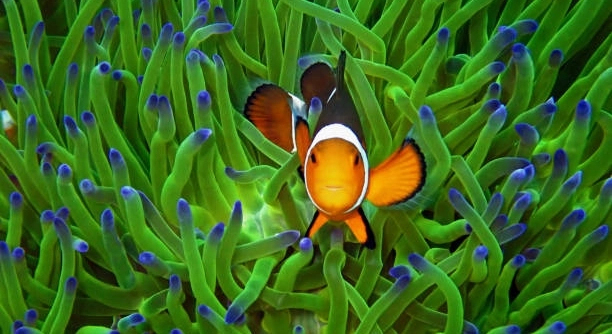
Are your clownfish swimming near you but still seem a little distant, leaving you unsure how to build a real connection?
The most effective way to bond with your clownfish is through consistent interaction, a peaceful tank environment, and proper care. Clownfish respond well to familiarity, making it easier to develop trust over time through small, repeated actions.
Simple steps can help you create a calm space, encourage interaction, and enjoy a closer bond with your clownfish every day.
Start with Consistent Feeding
Feeding your clownfish at the same time each day helps create a sense of routine. They begin to associate your presence with food, which builds trust. Use quality pellets or flakes, and occasionally offer frozen treats like brine shrimp. Always feed in small amounts to avoid waste. Clownfish are quick learners, and once they recognize feeding cues, they may come closer during mealtime. Stay calm and still near the tank as they eat. Over time, they’ll start linking your movements to something positive. This regular interaction forms a simple but effective starting point for building a stronger bond.
This method teaches them to feel safe when you approach. Trust grows when they feel secure and well-fed.
Gradually, feeding becomes more than a routine—it turns into a shared moment. As you continue feeding them with care and consistency, you’ll notice subtle changes in their behavior. They’ll swim closer, follow your movements, and stay more visible.
Maintain a Peaceful Tank
Clownfish are sensitive to sudden changes in their environment. A calm, steady setting helps them feel secure and more open to interacting with you.
Avoid placing aggressive tank mates near your clownfish. Loud noises, fast movements, and frequent tank rearrangements can increase their stress. A peaceful tank setup with hiding spaces like anemones or soft coral gives them room to relax. Keep lighting moderate and avoid tapping the glass. Use gentle water flow to mimic their natural habitat. Regular water changes and clean conditions help maintain stability. When clownfish feel safe, they’re more likely to come out, interact, and develop a steady pattern of movement around you. Give them time to adjust, especially when introducing anything new. Observing from a short distance can also help them get used to your presence without pressure. With patience and the right environment, your clownfish will grow more comfortable each day, setting the foundation for a stronger bond.
Offer Gentle Movement Outside the Tank
Slow, smooth motions outside the tank help your clownfish get used to your presence. Avoid fast hand movements or loud gestures, as they can cause stress and hiding.
Sit or stand quietly near the tank each day for a few minutes. Gently move your hand near the glass without touching it. Let the clownfish watch and decide if they want to come closer. With time, their comfort will grow, and they’ll begin associating you with safety. This builds a calm relationship without force. They may start to follow your hand or hover near the glass more often.
If your clownfish becomes more curious, you can move your hand a little more or even place it gently in the water during maintenance. The key is keeping your movements predictable and gentle. This shows them you’re not a threat, allowing them to slowly build trust at their own pace.
Use Target Training for Interaction
Target training can help you connect more directly with your clownfish. It encourages them to engage with you in a fun and structured way.
Start by using a small, soft object like a plastic stick with a colored tip. Place it in the water during feeding time. Guide the clownfish to associate the object with food. Each time they approach or touch the target, reward them with a small piece of their favorite treat. Keep sessions short, no longer than a few minutes, and repeat daily. Over time, your clownfish will start responding to the target and may even swim toward it without hesitation. This kind of training gives them mental stimulation and strengthens your bond. It’s a simple way to turn feeding into a playful, shared activity. Be patient and consistent, and you’ll see progress.
Speak Softly Near the Tank
Talking softly when near the tank helps your clownfish get used to your voice. Repeating this regularly builds familiarity and reduces their stress over time. Keep your tone calm and avoid sudden noises.
You don’t need to speak for long—just a few minutes each day is enough. Consistency matters more than volume or length.
Avoid Overhandling or Disrupting
Clownfish don’t enjoy being touched or chased. Reaching into the tank too often can lead to stress and avoidance. Only enter the tank when necessary.
Use gentle tools when cleaning or adjusting decorations. Let your clownfish maintain their space while you care for the tank quietly.
Recognize Their Individual Behavior
Each clownfish acts a little differently. Watch how they respond to your presence, feeding, and routine. Noticing their habits helps you adjust your approach to suit their comfort level.
FAQ
How long does it take to bond with clownfish?
Bonding with clownfish varies depending on their personality and environment. Some may show signs of trust in a few weeks, while others take several months. Consistency in feeding, gentle interaction, and a calm tank help speed up the process. Patience is important.
Can I touch my clownfish?
It is best to avoid touching clownfish directly. Handling causes stress and can harm their protective slime coat. Instead, interact by feeding, gentle movements outside the tank, and target training. Let your clownfish approach you on their own terms.
What food helps bonding?
Feeding quality pellets, flakes, and occasional frozen foods like brine shrimp or mysis shrimp works well. These treats encourage your clownfish to recognize feeding times and associate your presence with positive experiences. Feeding consistently at the same time supports bonding.
How do I know if my clownfish trusts me?
Signs of trust include your clownfish swimming closer during feeding, following your hand near the glass, and showing calm behavior without hiding. They may hover around areas you frequent and appear relaxed instead of skittish.
Is it normal for clownfish to hide sometimes?
Yes, clownfish hide when stressed, scared, or adjusting to a new environment. Hiding is a natural behavior that helps them feel safe. Over time, as they bond with you and feel secure, hiding may decrease.
Can clownfish recognize their owners?
Clownfish can learn to recognize the presence of their caretaker by sight and routine. They associate your movements and feeding habits with positive outcomes. While not like pets that respond to names, they do show familiarity and comfort.
How often should I interact with my clownfish?
Daily interaction through feeding and calm presence near the tank is ideal. Short, gentle sessions work better than long, intense periods. Regular contact helps build familiarity and trust without overwhelming your fish.
What if my clownfish seems scared?
If your clownfish is skittish, reduce sudden movements and loud noises around the tank. Check for aggressive tank mates and ensure water conditions are stable. Provide plenty of hiding spots and keep the environment calm. Gradual, gentle interaction will help them feel safer.
Does tank setup affect bonding?
A stable, peaceful tank setup is key for bonding. Proper lighting, water quality, and hiding spaces make clownfish feel secure. Stressful conditions or aggressive neighbors can hinder trust-building efforts. Maintaining a healthy habitat supports your bond.
Can target training help with bonding?
Yes, target training encourages interaction and mental stimulation. It teaches clownfish to respond to your hand or a target, making bonding more active. Consistent training sessions reinforce trust and create shared activity during feeding.
Should I talk to my clownfish?
Soft talking can help clownfish get used to your voice and presence. Although they do not understand words, the sound of a calm, gentle voice becomes familiar and comforting over time.
How do I avoid stressing my clownfish?
Avoid tapping the glass, sudden loud noises, and frequent tank rearrangements. Limit handling and ensure proper water conditions. Moving slowly near the tank and keeping interactions gentle reduce stress significantly.
Can clownfish bond with other fish?
Clownfish are social within their species and with certain tank mates like anemones. However, their bond with humans is unique and different from their relationships with other fish. Proper social groups help them feel secure in the tank.
What role does water temperature play in bonding?
Stable water temperature within the recommended range keeps clownfish comfortable and healthy. Sudden changes cause stress, which can slow bonding. Monitor and maintain consistent temperature for best results.
How do I keep my clownfish healthy during bonding?
Maintain clean water, feed a balanced diet, and monitor for signs of illness. Healthy fish are more responsive and open to interaction. Regular tank maintenance supports your clownfish’s well-being and helps the bond grow.
Final Thoughts
Bonding with your clownfish takes time, patience, and care. It is important to remember that every fish is different and will respond to your efforts in its own way. Consistency in feeding, gentle movements, and a calm tank environment create a foundation for trust. Over time, small actions add up, helping your clownfish feel comfortable and secure around you. Avoid rushing the process, and allow your fish to approach you at their own pace.
Maintaining a peaceful and healthy habitat plays a big role in strengthening your bond. Clownfish thrive when their environment is stable, clean, and free from stressors like aggressive tank mates or sudden changes. Providing hiding places and moderate lighting helps them feel safe. Regular water changes and monitoring water quality ensure they stay healthy. A healthy clownfish is more likely to be active, curious, and open to interaction. The time you spend caring for the tank directly supports your connection with your fish.
Finally, the relationship you build with your clownfish is rewarding in its own way. While they may not respond like pets that seek constant attention, clownfish do show signs of recognition and trust. Through quiet presence, routine, and gentle engagement, you can enjoy watching them become more comfortable and interactive. This bond requires respect for their nature and a willingness to adapt. With patience and proper care, your clownfish can become a pleasant and engaging part of your daily routine.

Hello,
If you enjoy the content that we create, please consider saying a "Thank You!" by leaving a tip.
Every little bit helps us continue crafting quality advice that supports the health, happiness, and well-being of pets around the world, for pets of all shapes, sizes, and species.
We really appreciate the kindness and support that you show us!