
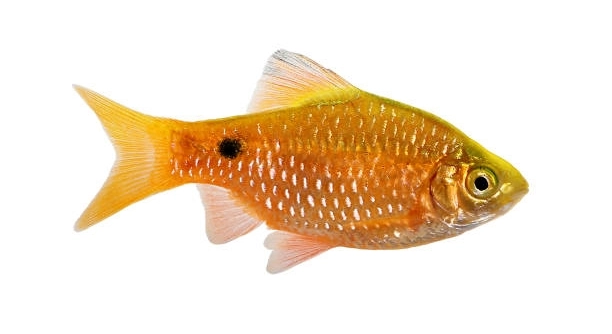
Rosy barbs are popular freshwater fish known for their bright colors and active nature. They often react to changes in their environment, especially sudden loud sounds. Understanding how these fish respond helps keep them healthy and stress-free.
Rosy barbs exhibit various behaviors when exposed to loud sounds, including sudden darting, hiding, increased gill movement, and changes in schooling patterns. These responses are natural stress indicators that protect them from perceived threats in their environment.
Recognizing these behaviors can improve how you care for your rosy barbs and create a calmer aquarium setting for them.
Sudden Darting and Flashing Movements
When rosy barbs hear a loud noise, they often respond by darting quickly around the tank. This sudden movement is a reflex to avoid potential danger. Their flashing colors become more noticeable as they move rapidly, which may help confuse predators in nature. These quick bursts of swimming help the fish escape perceived threats. However, if this behavior happens too often, it can cause stress and tire the fish. Repeated loud noises, like banging on the tank or loud music, can trigger this response. Watching for sudden darting can be a clear sign that your rosy barbs are feeling uneasy. To reduce stress, it’s helpful to keep the environment calm and avoid abrupt sounds near the aquarium.
This darting is a natural defense but should not be constant. Keeping a stable environment helps reduce these rapid movements and keeps fish comfortable.
Over time, constant darting due to loud sounds can affect the fish’s health by increasing stress hormones. Stress weakens their immune system, making them more prone to illness. It can also impact feeding habits and growth. Providing hiding spots and keeping noise levels low allows the fish to feel safer and reduces the need for these sudden escapes.
Hiding Behavior
Rosy barbs may hide behind plants or decorations when they hear loud sounds. This behavior is a way to feel protected and less vulnerable to threats.
Hiding helps the fish avoid danger and conserve energy. However, if hiding becomes frequent, it may signal chronic stress, which can lead to health problems. Ensuring the aquarium has plenty of hiding spaces and keeping noise down will help the fish feel secure and reduce hiding behavior.
Increased Gill Movement
Rosy barbs show faster gill movement when exposed to loud sounds. This is a sign they are stressed or trying to get more oxygen quickly.
Stress caused by loud noises raises the fish’s breathing rate, which makes gills move faster. This helps them take in extra oxygen during a perceived threat or when they are anxious. If the noise continues, this increased breathing can tire the fish and reduce their overall health. Watching for rapid gill movement helps identify when the fish are uncomfortable. Reducing noise and improving water quality can help ease their breathing and lower stress levels.
Persistent loud sounds make it harder for rosy barbs to relax, forcing their bodies to work harder. This can weaken their immune system and increase the chance of disease. Quiet surroundings and stable tank conditions support healthier breathing patterns and a calmer fish.
Changes in Schooling Behavior
Rosy barbs usually swim together in groups, but loud sounds can change this pattern. They may scatter or become more aggressive.
When startled by noise, the group may break apart, making the fish swim separately to avoid danger. This scattering is a natural reaction but can increase stress and risk of injury. Loud sounds can also cause aggression between fish, leading to chasing or nipping. These changes can disrupt the tank’s harmony. Maintaining a quiet environment and providing enough space helps keep the group calm and together, reducing these negative effects on their behavior.
Tail Flicking
Tail flicking is a common response to loud sounds. Rosy barbs may flick their tails rapidly as a way to show discomfort or prepare to swim away.
This action helps them react quickly to potential threats. It signals irritation or alertness caused by sudden noise changes.
Freezing in Place
Sometimes rosy barbs freeze when they hear loud sounds. Staying still helps them avoid drawing attention from predators.
Freezing can reduce stress if used briefly, but long periods might indicate fear or confusion. It’s important to minimize loud noises to prevent this reaction.
Loss of Appetite
Loud sounds often make rosy barbs lose interest in food. Stress from noise affects their feeding habits negatively.
Prolonged noise can reduce appetite, causing weight loss and weakened health. Ensuring a quiet, calm environment supports normal feeding behavior.
How do loud sounds affect rosy barbs in the long term?
Loud sounds cause stress in rosy barbs, which can last beyond the immediate noise event. Chronic stress weakens their immune systems, making them more vulnerable to diseases. It can also slow their growth and reduce their lifespan. Over time, frequent loud noises can change their behavior permanently, causing them to be more skittish and less active. Keeping the tank environment calm helps avoid these long-term problems and supports their well-being.
What are the signs that rosy barbs are stressed by noise?
Signs include sudden darting, tail flicking, hiding, freezing, and faster gill movement. They may also lose interest in food or show changes in schooling behavior, like scattering or aggression. Observing these behaviors helps identify stress early. If you notice any of these signs after loud noises, it’s a good idea to reduce noise and give the fish time to recover.
Can loud sounds cause physical harm to rosy barbs?
While loud sounds themselves don’t cause direct physical harm, the stress they cause can lead to health problems. Stress weakens their immune system and can make them prone to infections or illnesses. It can also cause physical exhaustion from constant darting or increased breathing. Protecting fish from loud noises helps prevent these indirect effects.
Is it normal for rosy barbs to react to household noises?
Yes, rosy barbs are sensitive to vibrations and sudden loud sounds common in homes, like door slams, loud music, or vacuum cleaners. These noises can startle them and trigger stress responses. Being aware of this sensitivity can help create a quieter environment around the aquarium.
How can I reduce noise stress for my rosy barbs?
Place the tank in a low-traffic, quiet area away from loud appliances or speakers. Adding plants and decorations gives fish places to hide and feel secure. Using a lid or aquarium cover can help dampen outside sounds. Keeping the water clean and stable also reduces stress.
Do rosy barbs recover quickly after loud noises stop?
They can recover fairly quickly if the environment becomes calm and stable. However, if loud sounds happen often, recovery takes longer and may never be complete. Giving the fish quiet time and reducing stressors helps them return to normal behavior and health.
Are all rosy barbs equally sensitive to loud sounds?
Sensitivity can vary between individual fish. Some may be more reactive or stressed than others. Younger or weaker fish tend to be more affected. Observing your fish regularly helps understand their reactions and adjust care as needed.
Can loud sounds affect other fish in a community tank?
Yes, all fish in a community tank may react to loud noises, though some species handle stress better. Loud sounds can cause disruption in the entire tank, leading to more aggression or hiding. Keeping noise levels low benefits all tank inhabitants.
What are the best signs of a calm and happy rosy barb?
Calm rosy barbs swim smoothly in groups, eat well, and explore their environment. Their colors appear bright, and they do not hide or dart suddenly. Regular, steady gill movement shows they are relaxed. These signs indicate they feel safe and healthy.
Should I use a soundproof box or enclosure for my aquarium?
A full soundproof box isn’t usually necessary but reducing noise with furniture placement or soft materials near the tank can help. Avoiding placing the aquarium near loud devices is a simpler and effective way to lower noise stress.
Can music or white noise harm rosy barbs?
Very loud music or sudden loud noises can harm fish by causing stress. Gentle background sounds at low volume are less likely to disturb them. It’s best to monitor how your fish react and keep sound levels low around the tank.
Is stress from noise reversible in rosy barbs?
Yes, stress is often reversible with proper care. Reducing noise, maintaining clean water, and providing hiding spots helps rosy barbs relax and recover. Persistent stress needs attention, but short-term stress usually resolves once conditions improve.
How often should I check for stress signs in my rosy barbs?
Daily observation is best. Watch for any changes in behavior, appetite, or swimming patterns. Early detection helps prevent long-term health issues caused by stress.
Can stress from noise affect breeding in rosy barbs?
Yes, stress reduces reproductive success. Loud sounds can disrupt mating behaviors and reduce egg production. Creating a calm, quiet environment is important during breeding times to improve chances of success.
Rosy barbs are lively and colorful fish that can bring a lot of joy to any aquarium. However, they are sensitive to their environment, especially loud sounds. These noises can cause various stress responses that affect their behavior and health. It’s important to recognize how these fish react so you can make their home as comfortable as possible. Understanding their natural reactions helps prevent unnecessary stress and keeps them happy and healthy.
Loud sounds cause rosy barbs to behave differently. They might dart suddenly, hide behind plants, or flick their tails. Some may even freeze in place or breathe faster. These are all signs that the fish feel threatened or uneasy. If loud noises happen often, it can harm their immune system and lead to illness. This makes it even more important to keep the aquarium environment calm. Simple steps like placing the tank in a quiet area, adding hiding spots, and avoiding banging near the tank can make a big difference.
Taking care of rosy barbs means paying attention to their needs and surroundings. Watching for signs of stress can help you adjust the environment before problems start. Keeping noise low, maintaining clean water, and offering plenty of space will support their well-being. When you create a peaceful home for your rosy barbs, they will show brighter colors, swim more naturally, and eat well. This balance helps the fish thrive and makes your aquarium a nicer place for everyone.

Hello,
If you enjoy the content that we create, please consider saying a "Thank You!" by leaving a tip.
Every little bit helps us continue crafting quality advice that supports the health, happiness, and well-being of pets around the world, for pets of all shapes, sizes, and species.
We really appreciate the kindness and support that you show us!