
Are your Rosy Barbs acting differently as the seasons shift? You might notice small changes in how they swim, eat, or interact. These shifts are often signs of natural responses to changes in their environment.
Rosy Barbs react to seasonal changes by adjusting their behavior, feeding patterns, and even coloration. These responses are influenced by variations in light, temperature, and water conditions, all of which play key roles in their overall health and activity.
Learning how these changes affect your Rosy Barbs will help you care for them more confidently throughout the year.
Light Changes and Activity Levels
As days grow longer or shorter, Rosy Barbs tend to adjust their activity levels. In warmer months with more daylight, they often swim more actively and show higher levels of social interaction. The increase in light can encourage them to explore their tank, chase one another playfully, and appear more curious overall. During shorter, darker days, they may slow down, stay closer to one area, or rest more often. These changes are not signs of concern but rather natural reactions to light cues, which help regulate their daily rhythms and overall energy levels throughout the year.
Rosy Barbs become noticeably more active when exposed to longer daylight periods. This increased movement can include more foraging behavior and interactions with tank mates.
If you’re using artificial lighting, try to mimic natural day lengths during each season. Keeping a consistent light schedule helps reduce stress and supports their seasonal behaviors in a stable environment.
Temperature Shifts and Feeding Habits
Rosy Barbs eat more frequently when the water is warmer. As temperatures rise, their metabolism speeds up, leading to an increased appetite.
In cooler months, you might notice a slowdown in their feeding behavior. This is because lower temperatures reduce their metabolic rate. As a result, they become less interested in food and may leave behind uneaten flakes or pellets. It’s important not to overfeed them during this time, as uneaten food can impact water quality. In warmer seasons, their appetite can return quickly, and they may eagerly approach feeding times. Adjusting portion sizes seasonally helps you match their nutritional needs more accurately. Warmer water also encourages faster digestion, so smaller, more frequent feedings can be helpful. On the other hand, colder water calls for a more cautious approach. Observing how much your Rosy Barbs eat in each season allows you to support their natural cycles while keeping their tank clean and balanced.
Breeding Behaviors in Warmer Seasons
Rosy Barbs are more likely to show breeding behavior when the water temperature rises. Warmer water, combined with longer daylight hours, creates ideal conditions that encourage them to start mating.
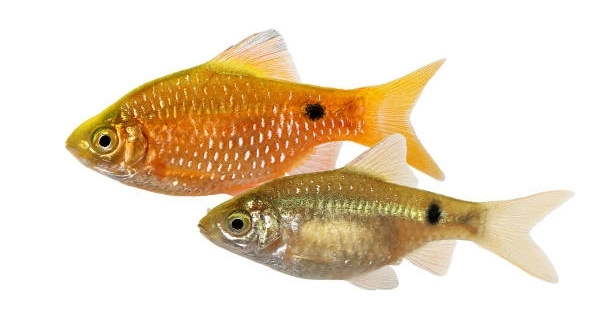
During this time, males become more colorful, displaying brighter red or orange shades to attract females. You may also notice more chasing around the tank, especially early in the day. Males will pursue females closely, nudging or circling them. If successful, the female will release eggs, usually near plants or flat surfaces. After spawning, adults may try to eat the eggs, so separating them can protect the eggs from being lost. These behaviors usually settle after the breeding period ends. Providing a quiet space with soft lighting and gentle filtration can support the breeding process while keeping stress levels low for all fish in the tank.
Feeding a protein-rich diet during this time can help support breeding health and egg development. Try offering foods like brine shrimp or bloodworms a few times per week in small amounts. Clean water and stable conditions are also essential. Avoid sudden changes in temperature or lighting during this time, as these can interrupt or delay breeding behaviors. Monitoring for changes and adjusting their care accordingly helps create a safe space for them to spawn naturally.
Color Enhancements Through Seasonal Shifts
As temperatures increase, Rosy Barbs may display more intense and vivid colors. This is especially noticeable in males, whose reds and oranges become brighter during the warmer months.
This change is not just for show. Color enhancements are often linked to breeding readiness, improved diet, and overall vitality. When fish are comfortable and receiving proper care, their colors become more pronounced. Seasonal changes in light and temperature can naturally bring out these features. Providing high-quality foods and keeping water clean throughout the year also supports their color. Cooler seasons may cause their colors to fade slightly, which is a normal adjustment. However, if color loss is drastic or sudden, it could point to a health issue. Keeping a regular care routine that adapts to seasonal shifts helps your Rosy Barbs stay vibrant and healthy. Observing their colors is a simple way to track their well-being.
Changes in Social Behavior
During warmer months, Rosy Barbs tend to be more social and active in groups. You may notice them schooling more tightly and interacting often, especially during feeding or early in the day.
As temperatures drop, they may spread out more and reduce their group activities. This is a natural way of conserving energy.
Seasonal Health Fluctuations
Cooler temperatures can slightly weaken their immune system, making them more prone to illness. Watch closely for signs like clamped fins, sluggish movement, or lack of appetite. Warmer seasons often support better health, as their metabolism stays active and immune responses are stronger. It’s important to maintain stable water conditions all year. Clean water, regular partial changes, and avoiding sudden shifts in temperature can make a big difference. Quarantining new fish and removing uneaten food quickly also helps prevent common problems. Keeping a close eye on behavior and appearance through each season allows for early detection and better recovery if anything changes.
Tank Maintenance Adjustments
Warmer months often mean more frequent water changes due to increased feeding and activity. In cooler seasons, monitor waste buildup more closely and avoid overfeeding. Adjusting your care routine helps keep things balanced.
How do Rosy Barbs adjust to colder water temperatures?
Rosy Barbs slow down their activity as water temperatures drop. Their metabolism decreases, meaning they eat less and swim more slowly. This is a natural way to conserve energy during colder periods. You may notice they rest more often and stay near the bottom or in warmer parts of the tank. It’s important to avoid sudden temperature changes, as this can stress them out. Keeping the tank stable and feeding smaller amounts helps them stay healthy through the cooler season.
What changes should I make to feeding during seasonal shifts?
In warmer months, Rosy Barbs need more food because their metabolism is higher. Feeding them small amounts multiple times a day works best. In colder seasons, reduce feeding since their digestion slows down. Overfeeding during this time can lead to water pollution and health issues. Watch their appetite closely and adjust accordingly. Offering high-quality foods supports their immune system all year round.
Why do my Rosy Barbs become less colorful during certain times of the year?
Color fading is common in cooler months when light and temperature drop. This natural response helps conserve energy. However, if colors fade too much or quickly, it may indicate stress or illness. Keeping water clean, stable, and feeding nutritious food encourages better coloration. Seasonal color changes are normal and usually return with warmer temperatures.
How does light affect Rosy Barb behavior?
Light controls their daily rhythm and activity levels. Longer daylight increases movement, feeding, and social behaviors. Shorter days make them less active and more withdrawn. Using a timer on aquarium lights can mimic natural seasons, helping fish adjust smoothly. Avoid sudden changes in lighting, which can cause stress.
What are signs of breeding behavior in Rosy Barbs?
Males become more colorful and chase females around the tank. You may see nudging or circling, and females may release eggs near plants or flat surfaces. Breeding often happens during warmer months with longer daylight. After spawning, adults may eat eggs, so separating them helps protect the young.
How can I support my Rosy Barbs’ health during seasonal changes?
Keep water quality high with regular partial changes and monitor temperature carefully. Feed a balanced diet rich in protein during breeding and active months. Reduce feeding in cooler months to prevent waste buildup. Watch for signs of stress like clamped fins or lack of appetite and act quickly. Maintaining a stable environment reduces illness risks.
Should I adjust tank maintenance based on the season?
Yes. Warmer months usually require more frequent water changes because of increased feeding and waste. Cooler months mean less feeding but more careful observation for waste buildup. Adjusting cleaning schedules helps maintain balance and water quality all year round.
Do Rosy Barbs need different tank conditions in winter?
They do better with stable temperatures that don’t drop too low. If your home gets cold, consider a gentle aquarium heater. Avoid rapid temperature shifts. Providing hiding spots and plants gives them comfort during slower activity periods. Keeping the environment calm helps reduce stress during colder months.
Can seasonal changes cause stress for Rosy Barbs?
Yes, especially if changes happen too quickly or water quality drops. Sudden shifts in temperature or light can confuse and stress fish. This weakens their immune system and may lead to illness. Gradual changes and consistent care reduce stress and keep them healthy through seasonal transitions.
What’s the best way to observe seasonal behavior changes?
Watch for shifts in activity, feeding, color, and social interaction. Take notes or photos if helpful. This helps you notice patterns and respond to their needs. Adjusting care based on these observations supports their natural cycles and overall well-being.
Understanding how Rosy Barbs react to seasonal changes helps you care for them better throughout the year. These fish naturally adjust their behavior, feeding, and appearance as light, temperature, and water conditions change. Recognizing these patterns means you can create a comfortable environment that matches their needs. This reduces stress and supports their health. It also helps you spot when something might be wrong early on. Seasonal shifts are normal, and with the right care, your Rosy Barbs will stay happy and active in every season.
Adapting your care routine is important to keep your Rosy Barbs healthy. In warmer months, they tend to be more active, eat more, and show brighter colors. This means you may need to feed them more often and keep a close eye on water quality since higher activity can create more waste. In cooler months, their activity slows down, and they eat less. Overfeeding during this time can cause water problems and harm their health. Maintaining stable temperatures and lighting that mimic natural seasons helps them adjust smoothly. Small changes to feeding, cleaning, and tank conditions make a big difference over time.
By paying attention to these seasonal reactions, you build a stronger connection with your fish. Knowing when they might breed, change color, or shift their social behavior gives you insight into their well-being. It also allows you to provide better care tailored to their current needs. Every season brings its own challenges and opportunities for Rosy Barbs. Being prepared means your fish will thrive and stay vibrant all year long, making your aquarium a lively and enjoyable space.

Hello,
If you enjoy the content that we create, please consider saying a "Thank You!" by leaving a tip.
Every little bit helps us continue crafting quality advice that supports the health, happiness, and well-being of pets around the world, for pets of all shapes, sizes, and species.
We really appreciate the kindness and support that you show us!