
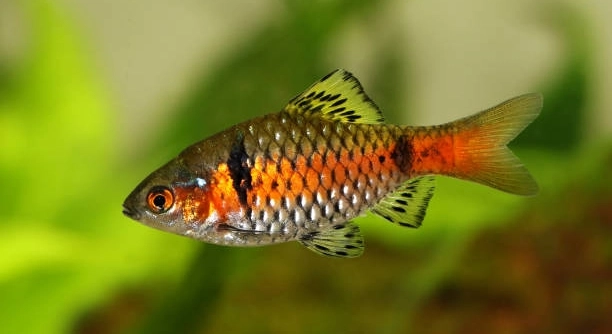
Rosy barbs are popular freshwater fish known for their bright colors and active behavior. Many fishkeepers enjoy watching them swim in home aquariums. Proper feeding is important to keep these fish healthy and vibrant over time.
Overfeeding rosy barbs can cause several negative reactions including bloating, sluggishness, water quality decline, increased waste production, and higher susceptibility to diseases. These symptoms indicate stress and can harm their overall well-being if not addressed promptly.
Recognizing these signs early helps ensure your rosy barbs stay healthy and your aquarium remains balanced and clean. This article explains common reactions to overfeeding and ways to manage them.
Bloating and Digestive Issues
When rosy barbs eat too much, their stomachs can swell up noticeably. This bloating happens because excess food is hard to digest, causing discomfort and sometimes pain. The fish may appear less active and might even float awkwardly near the water surface. Overfeeding can upset their digestive system, leading to constipation or other internal problems. It’s important to feed them only what they can eat in a few minutes to avoid these issues. Watching how much they eat daily helps maintain their health and prevents unnecessary stress on their bodies. If bloating occurs, reducing food quantity and improving water quality are key steps to recovery.
Bloating is a clear sign that feeding amounts need adjustment.
Ensuring a balanced diet and feeding schedule keeps rosy barbs feeling good. Monitor their eating habits closely, and make changes if you notice any swelling or sluggish behavior. Proper feeding supports digestion and overall vitality.
Water Quality Decline
Overfeeding produces more waste, which pollutes the tank water quickly. Leftover food breaks down and releases harmful substances like ammonia and nitrites. These chemicals can cause stress and damage to the fish’s gills and skin. It also encourages algae growth, which makes the aquarium look dirty and unhealthy. Regular water changes and careful feeding reduce these risks.
The fish depend on clean water to thrive.
Maintaining good water quality means feeding only what the fish need and removing uneaten food promptly. Frequent water testing helps detect harmful chemical buildup before it affects your rosy barbs. Installing a strong filtration system can also help keep the environment stable. A clean tank reduces the chance of disease and keeps your fish swimming happily. Keeping a routine for tank maintenance and feeding prevents water quality problems and promotes a healthy habitat.
Increased Waste Production
Overfeeding causes rosy barbs to produce more waste than usual. This extra waste settles at the bottom and can make the tank dirty quickly. Regular cleaning becomes necessary to prevent buildup and maintain a healthy environment.
Too much waste in the tank stresses both the fish and the filtration system. When waste accumulates, it releases ammonia and other harmful chemicals into the water. This harms fish health and can lead to illness. Keeping feeding amounts controlled helps reduce waste production. Cleaning the tank regularly also prevents toxins from building up. It is important to scoop out uneaten food and fish waste daily. Overfeeding not only creates mess but also shortens the lifespan of your filtration equipment, requiring more frequent maintenance or replacement.
To support your rosy barbs, balance feeding and tank cleanliness. This will reduce waste-related problems and improve water quality.
Sluggish Behavior
Overfed rosy barbs often become less active and swim slowly. This behavior results from discomfort or digestive issues caused by excess food. They may stay near the bottom or hide more often.
Sluggishness indicates the fish is struggling to process the extra food properly. This can weaken their immune system and make them prone to infections. When fish don’t move much, they miss out on exercise, which is important for their overall health. Reducing food intake and improving water conditions can help restore their energy. Watch for changes in swimming patterns as a sign to adjust feeding habits. Preventing overfeeding ensures rosy barbs stay lively and energetic.
Encouraging movement by maintaining proper feeding routines supports their health and well-being.
Increased Risk of Disease
Overfeeding weakens rosy barbs’ immune systems, making them more vulnerable to infections. Excess food creates poor water conditions, which can promote harmful bacteria and parasites.
Poor water quality combined with a weakened immune response increases the chance of disease outbreaks. Regular feeding control and tank maintenance reduce this risk significantly.
Changes in Coloration
When rosy barbs are overfed, their vibrant colors may fade. Stress and poor health from too much food cause dullness in their scales.
Maintaining proper feeding habits helps keep their natural brightness and overall appearance healthy.
Stress and Aggression
Overfeeding can lead to stress, causing unusual aggressive behavior among rosy barbs. Stress disrupts their normal social interactions, leading to fights.
What happens if I accidentally overfeed my rosy barbs just once?
A single instance of overfeeding is usually not harmful if it does not happen repeatedly. Rosy barbs can handle small mistakes, but you may notice mild bloating or leftover food in the tank. Make sure to remove any uneaten food quickly and perform a partial water change to keep water quality good. Monitor the fish for unusual behavior or signs of distress over the next day or two. Returning to a proper feeding routine will help the fish recover quickly and prevent lasting problems.
How often should I feed rosy barbs to avoid overfeeding?
Feeding rosy barbs once or twice a day is enough. Provide only what they can consume in about two to three minutes. Overfeeding often happens when food is given too frequently or in large amounts. Smaller, controlled feedings prevent waste buildup and keep your fish healthy. Watching their eating habits closely will help you learn the right portion size. Feeding less but more frequently is better than giving large amounts at once.
Can overfeeding cause long-term damage to rosy barbs?
Yes, chronic overfeeding can cause long-term health issues. Persistent bloating, poor water quality, and stress weaken their immune systems, making them prone to diseases. Constant exposure to toxins from decaying food damages their gills and internal organs. Over time, this can shorten their lifespan. Proper feeding habits and regular tank cleaning are essential to avoid these problems and keep rosy barbs healthy for many years.
What signs should I look for to know if my rosy barbs are overfed?
Common signs include swollen bellies, slow or lethargic swimming, hiding, and faded colors. Uneaten food in the tank or cloudy water also indicates overfeeding. Watch for increased waste and frequent gasping at the surface, which show poor water quality. Early detection allows you to adjust feeding quickly and improve tank conditions. Regular observation helps prevent serious health issues.
How can I fix water quality problems caused by overfeeding?
The best way to improve water quality is to reduce feeding amounts immediately. Remove any leftover food and clean the substrate. Perform regular partial water changes of 20-30% to dilute harmful chemicals. Use a reliable filtration system and test water parameters frequently to ensure a healthy environment. Maintaining a clean tank prevents toxins from building up and keeps rosy barbs comfortable.
Are there specific foods that cause more problems when overfed?
High-protein foods like live or frozen bloodworms and brine shrimp can cause digestive upset if overfed. Flake or pellet foods are usually safer but still must be given in moderation. Avoid over-relying on treats or heavy meals, as they increase waste and water pollution quickly. A balanced diet with controlled portions is key to preventing health issues from any food type.
Can overfeeding lead to aggressive behavior in rosy barbs?
Yes, overfeeding can cause stress that triggers aggression. When fish feel uncomfortable or unwell, they may become territorial or nip at tank mates. Poor water quality from leftover food also increases stress and irritation. Managing feeding properly and keeping the tank clean helps maintain peaceful social behavior.
Is it better to feed rosy barbs multiple small meals or one big meal?
Multiple small meals are better. They help reduce leftover food and keep fish active throughout the day. Large meals can overwhelm the fish’s digestive system and increase waste. Smaller, frequent feedings improve digestion and reduce water quality problems. Always watch how much they eat and adjust accordingly.
How important is tank cleaning in preventing issues from overfeeding?
Tank cleaning is very important. Overfeeding causes excess waste and food debris, which pollutes the water. Regular cleaning removes these pollutants, preventing harmful ammonia and nitrite spikes. Without proper maintenance, water quality declines rapidly, harming fish health. A clean tank supports a stable, healthy environment for rosy barbs.
What should I do if my rosy barbs show signs of illness due to overfeeding?
If illness occurs, reduce feeding immediately and improve water quality with frequent changes. Isolate any sick fish if possible to prevent spreading disease. Consider consulting a veterinarian or experienced aquarist for treatment advice. Early action increases the chances of recovery. Preventing overfeeding is the best way to avoid illness.
Overfeeding rosy barbs can cause many problems that affect their health and the overall aquarium environment. It is important to feed them the right amount of food to keep them healthy and active. Feeding too much can lead to bloating, sluggish behavior, poor water quality, and even disease. These issues not only harm the fish but also make caring for the tank harder. By paying attention to how much food you give and cleaning the tank regularly, you can prevent many of these problems. Watching your rosy barbs’ behavior and appearance will help you notice if something is wrong early on.
Controlling the amount of food you offer is one of the easiest ways to keep your rosy barbs healthy. A good rule is to feed only what they can eat within a few minutes, once or twice a day. Overfeeding often happens because people want their fish to eat more or simply don’t measure the food properly. Small, frequent meals work better than large amounts at once. When food stays in the tank for too long, it breaks down and pollutes the water. This pollution can lead to dangerous chemicals that stress the fish and make them sick. Proper feeding and regular water changes help keep the tank clean and safe for your fish.
Taking care of rosy barbs means paying close attention to both their diet and their environment. Healthy fish show bright colors, swim actively, and behave normally. If you notice changes like swelling, dull colors, or slow swimming, these may be signs of overfeeding or poor water quality. Acting quickly by reducing food and cleaning the tank can help your fish recover. Remember that maintaining a balance between feeding and tank maintenance is key to long-term success. With simple care habits, your rosy barbs can live healthy and happy lives in your aquarium.

Hello,
If you enjoy the content that we create, please consider saying a "Thank You!" by leaving a tip.
Every little bit helps us continue crafting quality advice that supports the health, happiness, and well-being of pets around the world, for pets of all shapes, sizes, and species.
We really appreciate the kindness and support that you show us!