
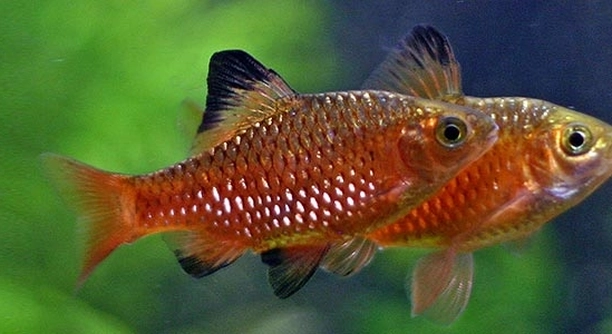
Rosy barbs are colorful freshwater fish popular in home aquariums. Their reactions to food can vary based on the type of diet they receive. Observing their behavior helps owners provide better care and nutrition.
Rosy barbs exhibit different responses depending on the food offered, ranging from increased activity and feeding enthusiasm to selective acceptance or rejection. These reactions reflect their nutritional needs and preferences, which impact their overall health and well-being.
Knowing how rosy barbs respond to various foods can improve feeding routines and enhance the health of your aquarium community.
How Rosy Barbs React to Flake Food
Flake food is a common choice for feeding rosy barbs. They usually accept it quickly, swimming actively toward the surface to eat. However, some fish might ignore flakes if the pieces are too large or if they prefer fresher options. It’s important to provide flakes that sink slowly, allowing all fish to access them. Rosy barbs often show more interest when flakes contain a variety of nutrients, such as spirulina or other plant-based ingredients. Over time, they may learn to recognize feeding times and react by gathering near the surface, displaying anticipation. Watching their behavior can indicate whether the flakes meet their needs or if adjustments are needed.
Feeding flakes regularly can keep rosy barbs healthy, but variety is key to avoid nutritional gaps and boredom.
A varied diet including flakes ensures rosy barbs get necessary proteins and vitamins. If they reject flakes, try soaking them briefly to soften the food, making it easier to eat. Combining flakes with live or frozen options can balance nutrition and keep them interested in feeding.
Reaction to Live Food
Rosy barbs react quickly to live foods, often becoming more energetic and showing excited swimming patterns. They recognize live food as a natural part of their diet and tend to be more eager during feeding. Live foods, like brine shrimp or daphnia, stimulate their hunting instincts, making feeding time more engaging. These foods provide high protein, which supports growth and color vibrancy. However, live food should be given in moderation to prevent overfeeding and maintain water quality. It also encourages natural behavior that flakes or pellets may not trigger.
Introducing live food can improve overall activity and enhance fish coloration.
Using live food periodically benefits rosy barbs by offering nutrients hard to replicate in processed feeds. It encourages natural hunting and feeding skills. Careful selection of live foods ensures safety and reduces risk of disease introduction. Feeding live food can also strengthen immune systems, preparing the fish for better resistance against illness. Including live food alongside flakes or pellets helps maintain a balanced diet and promotes healthy, lively fish in the aquarium.
Reaction to Frozen Food
Frozen food is generally well accepted by rosy barbs and can be a convenient alternative to live food. They respond by quickly swimming to the feeding area and showing interest. Frozen options like bloodworms or brine shrimp provide good nutrition and variety.
Frozen food maintains most nutrients from live food and can be stored easily. It’s a reliable way to offer protein without the risks linked to live food, such as parasites. Rosy barbs appreciate the texture and taste, which closely resemble their natural diet. Feeding frozen food occasionally can prevent monotony and encourage healthy appetite. It is important to thaw frozen food properly before feeding to avoid water contamination.
Frozen food also supports immune health and growth. It is a good supplement to flakes and pellets, making the diet more balanced. Offering a mix of frozen and other foods helps maintain fish interest and overall vitality.
Reaction to Vegetables
Rosy barbs accept vegetables with varying enthusiasm. They may nibble on peas, spinach, or zucchini slices but often prefer protein sources. Including vegetables adds fiber and essential nutrients to their diet.
Vegetables help improve digestion and reduce constipation in rosy barbs. They can be lightly boiled or blanched to soften the texture before feeding. This makes the food easier to eat and more appealing. Introducing vegetables gradually encourages acceptance and prevents waste. Feeding small amounts supports digestive health and balances their mostly protein-based diet.
Regularly adding vegetables can improve the color and vitality of rosy barbs. A mix of plant and animal-based foods keeps their immune system strong and promotes long-term health. Vegetables also provide natural vitamins that support overall well-being.
Reaction to Pellets
Rosy barbs often accept pellets with moderate interest. Some may take time to adjust, especially if they are used to flakes or live food.
Pellets offer balanced nutrition and can be a convenient daily food. Choosing high-quality pellets ensures essential vitamins and minerals for healthy growth and color.
Reaction to Algae Wafers
Algae wafers are usually not a favorite for rosy barbs. They may nibble occasionally but generally prefer other foods that provide more protein and variety.
Offering algae wafers can supplement their diet by providing plant-based nutrients. They are best used occasionally alongside other foods to keep the diet balanced.
Reaction to Shrimp Treats
Shrimp treats tend to excite rosy barbs, leading to quick, active feeding. These treats provide high protein and promote vibrant coloration, making them a popular choice for occasional feeding.
How often should I feed my rosy barbs?
Feeding rosy barbs once or twice a day is usually enough. Overfeeding can lead to poor water quality and health problems. Offer small amounts that they can eat within two to three minutes to avoid leftover food. Keeping a regular schedule helps maintain their appetite and digestion.
Can rosy barbs eat the same food every day?
It’s better to provide a varied diet. Feeding only one type of food can cause nutritional deficiencies and reduce interest in eating. Mixing flakes, pellets, frozen, and live foods ensures balanced nutrition. Variety also keeps your fish active and healthy, preventing boredom.
What foods should I avoid feeding rosy barbs?
Avoid feeding overly fatty or processed human foods like bread or chips. These can harm their digestion and water quality. Also, steer clear of foods that contain artificial colors or preservatives. Stick to fish-specific diets to maintain their health.
Are live foods necessary for rosy barbs?
Live foods are not strictly necessary but offer benefits. They stimulate natural hunting behavior and provide high protein. Use live foods occasionally to boost activity and color vibrancy. Make sure live foods are clean and disease-free to prevent health risks.
Is it okay to feed rosy barbs only flakes?
Flakes alone can support basic health but may lack some nutrients. Combining flakes with other food types improves diet quality. If flakes are the main food, choose high-quality options enriched with vitamins and minerals. Supplement flakes with occasional live or frozen foods.
How do I know if my rosy barbs are eating enough?
Healthy rosy barbs are active, have bright colors, and show regular feeding behavior. If they ignore food or lose weight, they may be underfed or stressed. Observe their reaction to feeding times and adjust portions if needed. Proper feeding supports growth and vitality.
Can rosy barbs eat vegetables?
Yes, vegetables like peas and spinach provide fiber and vitamins. They help digestion and prevent constipation. Offer vegetables cooked or blanched to soften them. Introduce these foods gradually and in small amounts alongside protein-rich options.
Should I soak pellets or flakes before feeding?
Soaking pellets or flakes can soften them, making it easier for some fish to eat. This is useful for picky eaters or when introducing new foods. It also reduces the risk of choking or digestive issues. Always remove uneaten soaked food promptly to keep water clean.
What is the best way to introduce new foods to rosy barbs?
Introduce new foods slowly by mixing them with familiar ones. Offer small amounts to avoid waste and stress. Watch their response carefully and stop if any fish shows signs of distress or rejection. Patience helps them adjust to diet changes.
Can feeding too much affect water quality?
Yes, uneaten food decomposes and pollutes the tank. Excess feeding can cause algae blooms, increase ammonia, and harm fish health. Feed only what the fish can consume quickly and remove leftovers. Regular tank maintenance complements good feeding habits.
Rosy barbs are lively fish that show different reactions to the foods they eat. Understanding these reactions helps you give them the right diet. They respond best to a mix of foods, including flakes, pellets, live, frozen, and vegetables. Each type of food affects their behavior and health in different ways. For example, live and frozen foods often excite them and encourage natural feeding habits, while flakes and pellets provide balanced nutrition for daily needs. Vegetables add fiber and vitamins that support digestion. Paying attention to how your rosy barbs react to each food type lets you adjust their meals to keep them healthy and active.
Feeding rosy barbs well means more than just offering food. It involves watching their behavior, appetite, and energy levels. When they eagerly swim to the surface at feeding time, it usually means they are happy with their diet. If they ignore certain foods or lose interest, it might be time to try something different. Overfeeding or giving the wrong type of food can harm water quality and cause health problems, so it’s important to feed in small amounts and remove uneaten food. A balanced diet supports strong immune systems, bright colors, and healthy growth, which all make your fish look and feel their best.
Consistency and variety are key to successful feeding. Stick to a regular schedule, but mix up the types of food you offer. This helps prevent boredom and nutritional gaps. Gradually introduce new foods so your fish have time to get used to them. Remember that good nutrition goes hand in hand with a clean, well-maintained tank. By combining these care steps, you give your rosy barbs the best chance to thrive. Keeping an eye on their reactions to food can make feeding time rewarding for both you and your fish.

Hello,
If you enjoy the content that we create, please consider saying a "Thank You!" by leaving a tip.
Every little bit helps us continue crafting quality advice that supports the health, happiness, and well-being of pets around the world, for pets of all shapes, sizes, and species.
We really appreciate the kindness and support that you show us!