
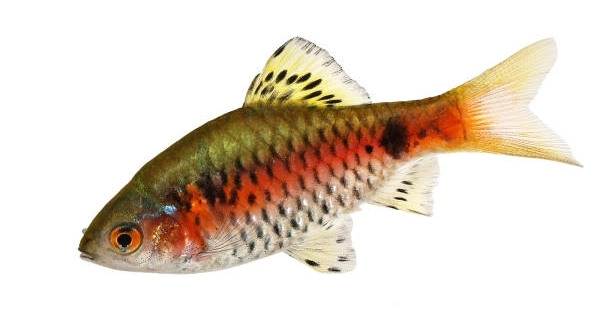
Are your rosy barbs swimming around new tank decorations with extra energy or hesitation, leaving you unsure how they truly feel?
Rosy barbs interact with new decor through a mix of exploration, territorial behavior, and social cues. These behaviors help them assess safety, establish new boundaries, and adapt to changes in their environment. Observation often reveals clear patterns of adjustment.
From subtle nudges to bold swims through new items, their behavior offers insight into comfort and curiosity as they settle into a refreshed space.
They Start by Exploring Slowly
When rosy barbs encounter new decor, they tend to approach it with caution. They may swim nearby repeatedly, taking short pauses to assess from a distance. This slow approach helps them observe any changes in light, shape, or flow caused by the new object. Over time, their confidence grows, and they start swimming closer or around the item. Some may even begin to circle it, peck gently, or swim through if the object allows. This initial phase of slow exploration shows they are getting used to their environment again. Their natural curiosity drives this behavior, but their instinct for safety controls the pace. You may notice that bolder fish lead the way while more passive ones follow later.
It’s common for them to act slightly reserved at first. This is not fear but a natural reaction to a sudden change in their space.
Once comfort sets in, rosy barbs often return to their usual patterns. They may swim through open tunnels or hover near plants and decorations they once avoided. These signs of relaxed movement show they’ve accepted the new addition. The cautious approach is often short-lived, especially in active schools. Watching this progression is both interesting and reassuring. Their comfort grows with each passing hour.
Some Show Mild Aggression
In a group, rosy barbs can become a little territorial with changes. Their natural hierarchy may shift temporarily, causing some mild chasing or nipping.
This behavior tends to be brief and is usually triggered by how the new decor affects territory boundaries. A larger rock, plant, or cave can divide the tank’s layout, prompting fish to re-establish space. The most dominant individuals may claim parts of the new decor as theirs, especially if it creates shaded areas or flow changes. This can lead to short bursts of aggression like quick darts or nudges. However, these moments are usually harmless and settle quickly. Keeping an eye on group dynamics during this time helps ensure no one is being overly targeted. Adding multiple hiding spots can also reduce the need for dominance. Over time, these interactions decrease as the barbs adjust and distribute themselves more evenly across the tank.
They May Use It to Hide
Some rosy barbs quickly take advantage of new decor by using it as a place to hide. This is especially common with shy or younger fish that prefer shelter when adjusting to changes.
If the decoration provides gaps, tunnels, or shaded spaces, rosy barbs often tuck themselves in or hover nearby. This hiding behavior isn’t always a sign of stress. It can mean they find the spot safe or calming. Fish that were once more active may temporarily reduce movement until they feel secure. Once they’ve tested the area and determined it’s harmless, they often return to more social behaviors. Hiding spaces also help reduce tension in the group, especially during the adjustment period. These spots break lines of sight and give barbs room to feel at ease without pressure from more dominant individuals. Over time, the same area used for hiding may become part of their regular swimming path.
Creating intentional hiding spaces in decor helps them feel safe right away. Adding broad leaves, tunnels, or caves that break the line of sight reduces stress across the group. When rosy barbs see they have options to retreat, their comfort level grows faster. Fish that feel secure are more likely to remain active, social, and healthy. Without enough hiding spots, some may become skittish or overly alert, leading to aggressive behavior or poor appetite. Choosing decor with multiple entry points or partial coverage allows them to use it flexibly. That flexibility often encourages faster exploration and acceptance of the new layout. This small detail helps promote long-term stability in their behavior.
They Interact Differently in Groups
Rosy barbs are social fish, so their response to new decor depends on the behavior of those around them. A bold few often lead the way, encouraging others to follow.
In larger groups, interactions with decor become more dynamic. You may see the dominant fish patrol certain areas while others linger nearby or mirror their movements. If one fish swims through a new tunnel or hides behind a plant, the others may quickly copy that behavior. Group size and temperament play a big role in how quickly they adapt. Larger groups offer more chances to learn by observation. However, if a few individuals act aggressively near the decor, it can delay exploration for the rest. Balanced groups often adapt faster because bolder fish set a safe example. Watching their peers, the shyer barbs gain confidence and start exploring on their own terms. This shared interaction helps smooth out the adjustment phase.
They Sometimes Avoid It Completely
Some rosy barbs choose to avoid new decor entirely. This behavior is more common in smaller or more timid individuals, especially if the object changes the light or flow of the tank.
Avoidance can also happen when the decor has sharp edges or unfamiliar colors. It may take several days before they even approach it.
They React to Reflections
When new decor has reflective surfaces, rosy barbs might react strongly. Some may chase their reflection, mistaking it for another fish. Others may stay close, trying to inspect or interact with the moving image. This can lead to increased activity, with sudden bursts of movement or focused circling around the object. These reactions usually fade once they realize there’s no real threat. However, constant exposure to reflections can be stressful over time. If you notice repeated chasing or signs of agitation, consider adjusting the placement of the decor or swapping it for something with a matte finish. Removing unwanted reflections helps maintain a calm, stable environment and encourages more natural interactions.
They Settle Into a Routine
After a few days, most rosy barbs return to their usual behavior. They begin swimming through or around the new decor as if it was always there.
FAQ
How long does it take rosy barbs to adjust to new decor?
Most rosy barbs adjust within a few days. You’ll notice small changes in behavior early on, like cautious swimming or lingering near the edges. By day three or four, many will swim through tunnels or rest near plants without hesitation. If the group is larger or more confident, this process may be even quicker. Timid or smaller fish sometimes take longer, especially if there are few hiding spots. Ensuring the decor doesn’t create harsh shadows or sharp corners also speeds up the adjustment. Consistent lighting, calm surroundings, and stable water conditions make a big difference in helping them adapt smoothly.
What types of decor do rosy barbs prefer?
Rosy barbs are active swimmers, so they prefer decor that allows for movement. Plants, tunnels, and smooth stones are popular choices. They enjoy weaving through objects, so long structures with open sides or soft edges work well. Avoid items with tight spaces or sharp edges, as they can injure fast-moving fish. Natural-looking pieces that blend into the tank—such as driftwood or silk plants—tend to attract more interaction. Floating plants can also be useful, as they provide shade without limiting swimming space. The key is to offer a mix of open water and gentle cover, supporting both activity and rest.
Can decor affect the social dynamics of rosy barbs?
Yes, it can. New objects may create temporary shifts in behavior, especially in groups with clear hierarchies. Dominant fish may try to claim areas or patrol new spots, which can lead to short-term chasing or nipping. However, this usually fades once all fish settle into the new layout. Adding multiple pieces of decor helps divide the space and reduce tension. It also encourages even movement throughout the tank, preventing overcrowding in one area. When the tank feels balanced and safe, even the shyest barbs become more active and confident. The right decor supports calm, consistent social behavior.
Do rosy barbs ever become stressed by new decor?
They can show signs of mild stress, especially if the changes are sudden or the new items are too large, brightly colored, or oddly shaped. You might notice reduced movement, hiding, or even frantic swimming in some cases. Stress is more likely if the decor alters the tank’s light or current too drastically. To prevent this, introduce changes slowly—one item at a time—and monitor their behavior. Soft colors, smooth surfaces, and familiar shapes tend to cause less stress. If stress signs last more than a few days, removing or repositioning the decor can help them settle faster.
Is it okay to move decor around after they’ve adjusted?
It’s fine, but do it gradually. Moving everything at once can reset their comfort level and cause confusion. Try changing one item at a time and watch how they respond. Small adjustments are less likely to disrupt established territories or hiding spots. If you’re cleaning the tank or rearranging for flow, keep the layout similar so they still recognize parts of the space. Rosy barbs are adaptable, but they do better when changes are consistent and controlled. Repositioning decor can even keep them mentally stimulated—as long as it’s not too frequent or drastic.
Can certain decor make the tank feel more secure?
Yes. Decor that breaks the line of sight gives rosy barbs places to hide and relax without feeling isolated. Broad plants, curved logs, and smooth caves work well. These pieces help reduce aggressive behavior and create balance in the tank. Even active fish benefit from having calm zones where they can pause. Secure decor promotes healthy interaction, especially in groups where social order shifts from time to time. As long as they have access to both open and covered areas, they’ll adjust more confidently.
Final Thoughts
Rosy barbs are active, curious fish that respond to change in small but noticeable ways. When new decor is added to their tank, they may explore slowly, show signs of caution, or react with mild aggression. These behaviors are natural and usually short-lived. With enough space and calm surroundings, they adapt well and return to their usual routines. Observing how they interact with new objects can help you understand their comfort level and whether any adjustments are needed. Their reactions can also vary depending on group size, tank layout, and the type of decor you choose.
Simple changes, like placing a tunnel or a plant in the right spot, can help reduce stress and support healthy behavior. If a decoration adds shade or breaks the line of sight, it may give them a new hiding place or area to rest. These small changes matter more than they might seem. Watching rosy barbs use new decor for swimming, hiding, or interacting with each other shows they’re adjusting well. If they avoid the new object, show signs of stress, or react too strongly to reflections, it may be helpful to reposition or remove the item. Keeping the tank setup balanced encourages natural behavior and better social interactions.
Adding decor isn’t just about how the tank looks—it’s also about how it functions for the fish living in it. Rosy barbs benefit from spaces that support movement, shelter, and a bit of variety. Offering options helps them explore at their own pace and makes them feel more secure. Whether they’re weaving through plants, resting behind a rock, or chasing reflections for a short time, each behavior tells you something about how they feel in their environment. Over time, they usually settle into a rhythm and treat the new decor as part of their space. With careful observation and a few small adjustments, you can create a tank that’s not only visually appealing but also supportive of your rosy barbs’ well-being.

Hello,
If you enjoy the content that we create, please consider saying a "Thank You!" by leaving a tip.
Every little bit helps us continue crafting quality advice that supports the health, happiness, and well-being of pets around the world, for pets of all shapes, sizes, and species.
We really appreciate the kindness and support that you show us!