
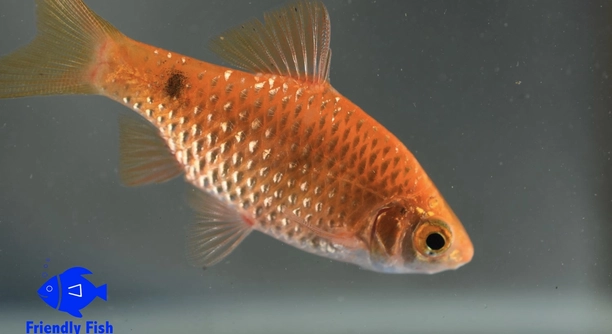
Are your rosy barbs spending more time near the filter or swimming along the current than you expected? Their behavior around moving water can reveal interesting things about their preferences and natural instincts in captivity.
Rosy barbs interact with moving water by swimming against the current for exercise, seeking oxygen-rich zones, and engaging in playful behavior. These interactions are influenced by their natural river habitat, where water movement is a constant environmental factor.
From subtle glides to bold bursts of activity, rosy barbs show clear responses to the way water flows in their tank environment.
They Swim Into the Current for Exercise
Rosy barbs are naturally active and strong swimmers. In tanks with moving water, they often swim into the current, using it as a way to stay physically engaged. This behavior mirrors how they would swim upstream in the wild. Constant movement helps them stay healthy and alert. It also keeps their muscles strong and supports good circulation. If your tank includes a filter that creates a steady flow, you’ll likely notice your rosy barbs choosing to swim directly into it. This activity is not random. It gives them a chance to release energy in a space that mimics their natural environment.
Swimming into the current allows rosy barbs to burn off energy in a healthy way and supports their need for movement throughout the day.
Providing areas of stronger current in the tank can help reduce boredom and improve the overall well-being of your rosy barbs. It also encourages natural swimming patterns.
They Use Water Flow to Navigate the Tank
Rosy barbs use water movement as a guide. The flow helps them sense space, obstacles, and changes in their surroundings without relying only on sight.
In the wild, these fish use water currents to locate deeper areas, feeding spots, and even other fish. In a home aquarium, moving water serves a similar purpose. They follow or resist the current depending on what they are trying to do. For example, a stronger current might guide them toward the filter when they are curious or looking for more oxygen. Weaker flow areas allow them to rest and regroup. Adding plants, driftwood, or rocks can help break up the current, giving them options. If the entire tank has uniform flow, they may become tired or stressed. Instead, providing zones with varying current strengths gives them choice and control. This setup supports their natural instincts and helps keep them comfortable and active.
They Rest in Calm Areas When Tired
Rosy barbs often retreat to calmer spots in the tank when they need rest. These still areas offer them a break from swimming against the current and help prevent stress or exhaustion over time.
If the entire tank has strong flow, rosy barbs may struggle to rest properly. This can lead to low energy levels and even affect their health. Creating quiet areas by using plants, rocks, or driftwood allows them to find shelter when needed. It also mimics the slower-moving pools they would seek out in nature. Watch for signs like hovering in corners or behind decorations—this often means they’re trying to escape the flow. Make sure your filter isn’t pushing water too forcefully across every section. A gentle balance of moving and still water gives your rosy barbs the best chance to stay active while still having a place to recover and relax.
Resting zones support your fish’s daily rhythms. Rosy barbs need a balance of active swimming and quiet time. Without still water sections, they may become irritable, overstimulated, or less social. These calmer spots also give more timid fish a chance to feel safe. Even bold rosy barbs benefit from the comfort of choice. When tank setups match their needs, you’ll notice smoother swimming, better color, and more stable group behavior. Small adjustments like moving décor or adjusting the filter angle can make a big difference. Over time, the fish will show you what they prefer—just pay attention to their patterns and reactions. Comfort plays a bigger role than most people expect.
They Gather Near the Filter for Oxygen
Rosy barbs often swim near the filter because the movement increases oxygen in the water. Areas with more current usually have higher oxygen levels, which supports their breathing and overall activity levels throughout the day.
When water moves, it mixes with air more easily. This helps raise the oxygen content in the tank. Rosy barbs are mid-level swimmers, and they notice these changes quickly. In tanks with poor circulation, they may start gasping or staying near the surface, searching for better oxygen. A filter with a steady flow helps avoid this. You may also see them schooling near the filter intake, especially if the temperature rises or during feeding times when they’re most active. Keep in mind that too much flow can be stressful, especially for younger or smaller barbs. Adjusting the filter or adding an air stone can help improve oxygen without overwhelming the fish. Balance is key to keeping them comfortable.
They Play in the Bubbles
Rosy barbs often swim through bubbles created by air stones or filters. This playful behavior helps them stay active and engaged. It’s also a way for them to explore their environment and interact with their tank mates.
You may see them darting in and out of the bubbles repeatedly. This behavior is harmless and often fun for them. Just make sure the bubbles aren’t too strong, as that can cause stress or fatigue over time.
They Avoid Strong Currents During Feeding
During feeding, rosy barbs prefer calmer water where food doesn’t get swept away. Strong currents can scatter pellets or flakes too quickly, making it harder for them to eat. Slower flow areas give them time to find and eat their food without rushing. Feeding near a still zone helps reduce waste and makes sure each fish gets its share. If the current is too strong, consider turning off the filter briefly or feeding in a sheltered part of the tank. This makes mealtimes easier and more peaceful for everyone.
They School Tightly in Moving Water
Rosy barbs often group closer together when swimming through stronger currents. This tight schooling helps them feel secure and keeps them coordinated. It’s a natural response that reflects how they would behave in flowing rivers.
FAQ
Do rosy barbs need a current in their tank?
Yes, rosy barbs benefit from a mild to moderate current in their tank. In their natural environment, they come from rivers and streams where water is constantly moving. A steady flow helps mimic those conditions. It encourages swimming, boosts oxygen levels, and helps maintain water quality. However, it’s important that the current isn’t too strong, especially in smaller tanks. If the flow pushes them around or makes it hard to rest, that can lead to stress or fatigue. Always aim for balance by including both moving and calm areas in the tank setup.
Can a strong filter flow stress rosy barbs?
Yes, strong flow can stress them out. While rosy barbs are active swimmers, too much movement in the entire tank can be overwhelming. You might notice them avoiding the current, hiding more, or becoming less active. These are signs the water flow may be too much. A stressed fish may also stop eating or lose color. If this happens, try adjusting your filter’s direction or adding decorations that help block and slow the current. Observing your fish’s behavior will tell you a lot about whether the flow feels comfortable to them or not.
Why do rosy barbs swim near the filter?
Rosy barbs often swim near the filter because that’s where water is most oxygen-rich. The movement from the filter helps increase oxygen, especially if your tank doesn’t have additional aeration. They may also like the feel of the current and use it to stay active. Some even seem curious about the filter area and swim there regularly as a form of play or social behavior. However, if they are always staying near the filter and ignoring the rest of the tank, it could be a sign that something’s off—like low oxygen levels or poor water quality elsewhere.
How can I tell if the current is too strong?
Signs of a strong current include your fish constantly struggling to swim or being pushed around. If they’re always pressed against one side of the tank or hiding behind objects, the flow might be too high. Fish that are worn out or have clamped fins may also be reacting to strong water movement. Another sign is leftover food floating away before they can eat. You can fix this by angling the filter outflow toward the glass, using sponge filters, or breaking up the current with plants and décor. Each change makes it easier for the fish to move comfortably.
Is it okay to turn off the filter during feeding?
Yes, it’s fine to turn off the filter for a few minutes while feeding. This keeps food from floating away and gives all the fish a fair chance to eat. Just remember to turn the filter back on soon after feeding so the water continues circulating. Prolonged stillness can lead to poor oxygen levels and cloudy water. If you prefer not to turn the filter off, feeding in a low-flow area of the tank can also help. Over time, you’ll notice where your rosy barbs prefer to eat and can adjust your routine to match their habits.
Do rosy barbs enjoy bubble walls or air stones?
Many rosy barbs seem to enjoy playing in bubbles. Swimming through the rising air streams can be a fun way for them to stay active. It also helps oxygenate the water, which supports their health. Just make sure the bubbles aren’t too forceful, especially in smaller tanks. If the stream is too strong, some fish might avoid that area. You can try adjusting the placement or adding barriers to soften the effect. Watching how your rosy barbs interact with the bubbles will help you decide what setup they enjoy most.
How can I set up ideal water flow for rosy barbs?
Create a balanced flow with both moving and still water zones. Use your filter to generate flow in one section, and use plants, rocks, or wood to break it up. This gives your rosy barbs space to swim actively and space to rest when they need it. A gentle current across part of the tank works well, especially in larger setups. Air stones or sponge filters can also help improve oxygen without making the whole tank too active. Always observe how your fish move and adjust based on their comfort and behavior.
Final Thoughts
Rosy barbs are lively fish that enjoy swimming in moving water. They come from river habitats where the flow helps them stay strong and healthy. In home aquariums, adding a gentle current gives them a more natural environment. It also encourages behaviors like schooling, playful swimming, and feeding in calmer areas. While they are quite active, they still need places to rest. A well-balanced tank setup with areas of both flow and calm will help your rosy barbs feel more secure and relaxed. Watching how they respond to different parts of the tank can guide you in making small changes that improve their comfort.
Moving water isn’t just about fun—it also helps with water quality. A gentle current keeps waste from settling and supports oxygen levels, which are both important for your fish’s health. Filters, air stones, and decorations can work together to create the right amount of movement. But every tank is different. You may need to test a few things to find what works best. If your rosy barbs are constantly hiding, avoiding certain areas, or showing signs of stress, the flow may be too strong. On the other hand, if they are swimming happily through the current and resting peacefully when tired, then your setup is likely working well.
Paying attention to how your fish interact with their environment can teach you a lot. Rosy barbs are social, curious, and responsive. They will often show you what they need just through their behavior. You don’t need a complicated tank to keep them healthy. A simple layout with varied flow, enough space, and a few hiding spots is usually enough. Keeping the water clean and stable matters just as much. In the end, small choices like adjusting the filter direction or adding a few plants can make a big difference. With the right care and attention, your rosy barbs will stay active, colorful, and content in their tank.

Hello,
If you enjoy the content that we create, please consider saying a "Thank You!" by leaving a tip.
Every little bit helps us continue crafting quality advice that supports the health, happiness, and well-being of pets around the world, for pets of all shapes, sizes, and species.
We really appreciate the kindness and support that you show us!