
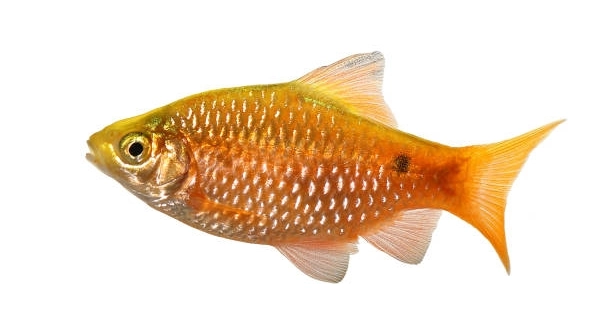
Rosy barbs are popular freshwater fish often kept in groups for their lively behavior. Observing how they interact can reveal interesting social patterns and help maintain a healthy aquarium environment. Their group dynamics contribute to their overall well-being.
Rosy barbs interact through clear social behaviors such as schooling, establishing dominance hierarchies, and engaging in playful chasing. These interactions help reduce stress, maintain group cohesion, and promote natural activity within their community.
Understanding these behaviors can improve your experience keeping rosy barbs and help you create a balanced, peaceful tank environment for them to thrive.
Schooling Behavior of Rosy Barbs
Rosy barbs naturally form schools, which means they swim together in a group. This schooling helps them feel safer and reduces stress by providing a sense of security. When kept in an aquarium, rosy barbs tend to stay close to one another, moving in synchronized patterns. This behavior also allows them to communicate and respond quickly to changes in their environment. The group movement helps keep them active and healthy, as swimming together encourages exercise. Schooling also plays a role in feeding, as rosy barbs often chase food together, creating a lively feeding time. Observing their schooling can be calming and shows how they rely on social bonds for comfort. If a rosy barb is alone, it might become shy or stressed, so keeping them in groups is important for their mental well-being. Group size affects how well they school; smaller groups may not show this natural behavior as clearly.
Schooling keeps rosy barbs active and socially engaged, which is vital for their health in captivity.
Recognizing schooling patterns helps aquarists set up tanks that encourage natural behavior. Providing enough space and a suitable number of rosy barbs allows for proper schooling. When schooling is disrupted, it may signal stress or illness, so watching this behavior can be an early indicator of tank problems. Lighting and tank decorations also influence how openly rosy barbs school; they prefer some open swimming space. Overall, schooling is a sign of a happy, well-adjusted group and should be supported with proper tank conditions.
Establishing Dominance and Hierarchies
Rosy barbs form a social hierarchy to organize the group and reduce conflicts. This hierarchy decides which fish leads and which follow, helping keep order in the tank.
Dominance is shown through subtle displays like chasing, fin flaring, and brief nipping. The top fish may have brighter colors and more confident movements. While this might look aggressive, it rarely leads to serious harm if the tank is large enough. Establishing hierarchy helps reduce constant fighting, as each fish learns its place. Dominant fish get better access to food and space, while lower-ranking ones avoid confrontations by keeping distance. These social roles are fluid and can change if a fish is removed or new ones join. Observing these interactions gives insight into the group’s health and social balance. Providing hiding spots and enough room prevents stress from too much competition, keeping the hierarchy stable and peaceful.
Playful Chasing Among Rosy Barbs
Playful chasing is common among rosy barbs and is part of their social interaction. This behavior helps establish relationships and keeps them active.
During playful chasing, rosy barbs swim quickly after one another without causing harm. This activity is important for their mental stimulation and exercise. It mimics natural behavior seen in the wild, where chasing helps strengthen bonds and establish social roles. These quick bursts of movement keep the fish engaged and prevent boredom, especially in a tank environment. It also helps them practice agility and coordination, which are useful skills for avoiding predators or competing for food. Though it looks energetic, it usually doesn’t cause stress unless the tank is overcrowded or lacks hiding spaces.
Providing enough room and a balanced group size supports healthy playful behavior. Without proper space, chasing may escalate into aggression or stress, which can harm shy or weaker fish. Monitoring how chasing happens in your tank helps ensure the group remains harmonious and lively.
Communication Through Color Changes
Rosy barbs use subtle color changes to communicate moods and intentions. These shifts signal excitement, stress, or dominance.
Color changes happen when rosy barbs flare their fins or during social interactions. Brighter colors often indicate health and confidence, while dull or faded tones suggest stress or illness. When a fish feels threatened or wants to show dominance, its colors may become more intense. This non-verbal communication helps avoid unnecessary fights by sending clear signals within the group. Color shifts also occur during mating seasons, helping identify readiness to breed. Aquarists can watch these changes to better understand their fish’s condition and emotional state. Good water quality and a balanced diet support vibrant colors, enhancing natural communication among rosy barbs. Maintaining stable tank conditions reduces stress, allowing these fish to display their full color range regularly.
Territory and Space
Rosy barbs value having their own space within the tank. They sometimes claim small areas to reduce conflict.
When space is limited, competition increases, leading to stress and aggression. Providing enough room and decorations helps them feel secure and less territorial.
Mutual Grooming Behavior
Mutual grooming in rosy barbs is rare but can happen during calm social interactions. It helps strengthen bonds between individuals. Grooming usually involves gentle nipping or rubbing against one another to remove debris or parasites. This behavior supports health and reinforces group cohesion.
Resting and Hiding Spots
Rosy barbs use resting and hiding spots to feel safe. These areas help reduce stress and provide a break from social activity. Ensuring your tank has enough plants and decorations creates a comfortable environment for them to relax.
FAQ
How many rosy barbs should I keep together?
Rosy barbs are social fish and do best in groups of at least six. Smaller groups can lead to stress and shy behavior, while larger groups help them feel secure and encourage natural schooling. Keeping six or more allows them to interact fully and display healthy social behaviors.
What tank size is ideal for a group of rosy barbs?
A minimum tank size of 30 gallons is recommended for a group of six rosy barbs. They are active swimmers and need space to school, chase, and establish territories without feeling cramped. Larger tanks provide more room to spread out, reducing stress and aggression.
Why do rosy barbs chase each other? Is it aggressive?
Chasing among rosy barbs is often playful and part of their natural social interaction. It helps establish social roles and keeps them active. However, if chasing becomes constant and aggressive, it could signal overcrowding or stress in the tank.
How can I tell if rosy barbs are stressed?
Signs of stress in rosy barbs include dull coloration, hiding frequently, loss of appetite, or erratic swimming. Stress can result from poor water quality, overcrowding, or lack of hiding places. Monitoring behavior closely can help catch stress early.
Do rosy barbs fight with other fish species?
Rosy barbs are generally peaceful but can show mild aggression during feeding or when establishing dominance. They do best with other active, similarly sized fish. Avoid housing them with very small or slow-moving species to prevent bullying.
What role do color changes play in rosy barb behavior?
Color changes are a form of communication among rosy barbs. Bright colors often indicate confidence, health, or readiness to breed. Dull or faded colors can signal stress, illness, or submission. Observing these shifts helps understand their mood and condition.
How important is tank decoration for rosy barb groups?
Tank decorations such as plants, rocks, and hiding spots are essential for creating territories and providing security. These features reduce aggression by giving fish places to retreat and help balance social dynamics. A well-decorated tank encourages natural behavior and lowers stress.
Can rosy barbs live alone if necessary?
Rosy barbs do not thrive alone. They rely on group interactions for mental and physical health. Keeping a single rosy barb can lead to loneliness and stress, causing poor health and dull coloration.
How do rosy barbs establish dominance without harm?
Dominance is usually established through displays like fin flaring, chasing, and slight nipping. These behaviors set social ranks but rarely cause injury if the tank is large enough and well-maintained. A clear hierarchy keeps the group stable.
What should I do if my rosy barbs show aggression?
First, check if the tank is overcrowded or lacks hiding spots. Increasing space and adding plants or decorations can reduce aggression. If problems persist, removing the most aggressive fish or splitting the group may be necessary to maintain peace.
Final Thoughts
Rosy barbs are lively and social fish that thrive best in groups. Their interactions, from schooling to playful chasing, show how important companionship is for their well-being. Keeping rosy barbs in proper group sizes and environments helps them stay active, healthy, and less stressed. When they have enough space and fellow fish to interact with, their natural behaviors come out more clearly, making them enjoyable to watch.
Providing a balanced environment with plenty of room, hiding spots, and decorations is essential. These elements help reduce stress and aggression by giving each fish a place to claim and retreat to when needed. Watching how rosy barbs establish social roles through gentle dominance displays and color changes can tell you a lot about their mood and health. These behaviors keep the group stable and peaceful, which is key to maintaining a happy tank.
Understanding rosy barbs’ social habits also means knowing when something might be wrong. Changes in behavior, color, or energy levels often point to stress or illness. Paying attention to their interactions and providing good care will ensure they live longer and healthier lives. Overall, keeping rosy barbs together in a well-maintained aquarium creates a natural, lively atmosphere that benefits both the fish and the keeper.

Hello,
If you enjoy the content that we create, please consider saying a "Thank You!" by leaving a tip.
Every little bit helps us continue crafting quality advice that supports the health, happiness, and well-being of pets around the world, for pets of all shapes, sizes, and species.
We really appreciate the kindness and support that you show us!