
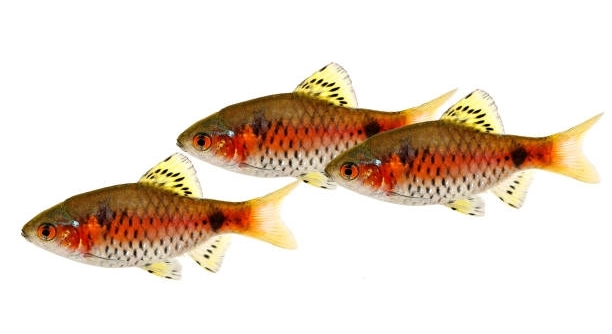
Rosy barbs are lively freshwater fish known for their colorful appearance and active behavior. These fish often establish territories in home aquariums, which helps them maintain social order. Understanding their ways of claiming space can improve aquarium management.
Rosy barbs use various behaviors to mark and defend their territory, including fin displays, chasing intruders, specific swimming patterns, physical nudging, and occupying preferred areas. These actions reduce conflict and establish clear boundaries among fish.
Knowing how rosy barbs assert themselves helps aquarium owners create a balanced environment that supports peaceful coexistence and healthy fish behavior.
Fin Displays and Color Changes
Rosy barbs often flare their fins and intensify their colors to show dominance when claiming territory. This behavior is a visual warning to other fish to keep away. The brighter colors and spread fins make them look larger and more intimidating. It’s common to see these displays near favored spots like hiding places or feeding areas. These signals help avoid physical fights by establishing presence through appearance alone. Observing these signs can help you identify territorial disputes before they escalate.
These fin displays serve as effective communication tools to maintain boundaries and reduce stress among tank mates.
Recognizing these visual cues allows for better tank management. By providing enough space and hiding spots, you can minimize conflicts caused by these displays. It also helps in arranging the aquarium layout to prevent overcrowding in prime areas, promoting a peaceful environment for all fish.
Chasing and Physical Nudging
Chasing is a direct way rosy barbs push others away from their territory. They swim quickly after intruders to enforce boundaries. Physical nudging or light bumping follows chasing, reinforcing their claim. These behaviors are not always aggressive but are clear signs of territorial defense. Chasing can occur around preferred feeding zones or resting places. These interactions are part of their social structure to avoid constant fighting.
Chasing keeps other fish aware of territorial limits and reduces prolonged conflicts.
Repeated chasing can stress less dominant fish if space is limited. It is essential to monitor how often these behaviors occur. Providing plenty of room and hiding places reduces tension and prevents injuries. Understanding chasing and nudging helps maintain balance in a community tank. Adjusting tank conditions can encourage peaceful coexistence and protect all fish from excessive stress or harm.
Preferred Areas and Nesting Spots
Rosy barbs often choose specific spots in the tank as their territory. These can include corners, near plants, or close to decorations. They stay close to these areas to feel secure and control their space.
These preferred areas provide shelter and food access, making them important for territorial behavior. Fish may become more aggressive if others approach these spots. Knowing their favorite places helps in arranging the tank to reduce conflicts. Placing plenty of hiding spaces and visual barriers can limit direct confrontations and stress.
Providing multiple preferred spots in the aquarium allows several rosy barbs to coexist peacefully. It spreads out territorial claims and reduces overcrowding. Regular observation helps identify these spots and adjust tank layout accordingly to keep fish comfortable and less aggressive.
Swimming Patterns and Movements
Territorial rosy barbs use distinct swimming patterns to signal ownership. They patrol their area regularly, swimming back and forth or circling to mark boundaries. This movement lets others know the space is claimed.
These patterns are consistent and purposeful, differing from random swimming. They help reinforce territory without direct aggression. Observing these behaviors helps identify when a fish is protecting its space. This knowledge can guide tank management to avoid overcrowding or unwanted stress.
Adjusting the tank environment to support these behaviors includes providing enough room and clear boundaries. Adding plants or decorations creates natural barriers that complement their swimming patrols. This setup encourages calm behavior and maintains social order within the aquarium.
Physical Marking with Mucus
Rosy barbs sometimes use their bodies to leave mucus trails on plants or surfaces. This subtle marking helps signal their presence to other fish. It is a less obvious but effective way to claim territory.
The mucus contains chemical signals that other fish can detect. These markings help reduce conflicts by communicating ownership without direct confrontation.
Aggressive Posturing
Aggressive posturing involves stiffening the body, raising fins, and facing intruders directly. This behavior is meant to intimidate rivals and protect territory without physical fights.
Fish use these displays to avoid injury while still asserting control. It is an important part of their social behavior in confined spaces.
Use of Bubbles and Water Movement
Rosy barbs sometimes create water movement or bubbles near their territory. This action can be a subtle way to signal ownership or distract others.
These movements show active control of their space and can warn others to keep away. It is a quieter but meaningful behavior in their territorial claims.
FAQ
How do rosy barbs show they are claiming territory?
Rosy barbs use several behaviors to claim territory. They display their fins and brighten their colors to look bigger and warn others. They chase or nudge fish that come too close. They also patrol their area with repeated swimming patterns. Sometimes they leave mucus marks on plants or surfaces. These signals help avoid physical fights by clearly marking boundaries.
Can rosy barbs be kept together without fighting?
Yes, rosy barbs can live together peacefully if the tank is large enough and has plenty of hiding spots. Providing enough space allows each fish to claim its own territory without constant overlap. Plants and decorations create natural barriers that reduce direct confrontations. Monitoring aggressive behaviors and rearranging the tank if needed helps maintain harmony.
What should I do if rosy barbs are fighting too much?
If fighting is frequent, increase the tank size or add more hiding places. Rearranging decorations breaks up sightlines and reduces territorial disputes. Sometimes separating the most aggressive fish helps. Avoid overcrowding, as limited space increases tension. Maintaining good water quality and a healthy diet also lowers stress, which can reduce aggression.
Why do rosy barbs flare their fins?
Flaring fins is a way to look bigger and more intimidating. It serves as a warning to other fish to keep their distance. This display is common near favored spots like feeding areas or shelters. It helps reduce physical fights by establishing dominance visually.
Do rosy barbs damage plants or decorations when marking territory?
Usually, rosy barbs do not intentionally damage plants or decorations. However, chasing and nudging behaviors may occasionally disturb plants or move decorations. Providing sturdy plants and securing decorations can prevent problems. Observing their interactions helps identify any issues early.
Is it normal for rosy barbs to chase each other constantly?
Some chasing is normal as part of establishing and maintaining territory. However, constant or aggressive chasing can indicate overcrowding or stress. Ensuring enough space and hiding places reduces the need for frequent chasing. If chasing becomes harmful, consider adjusting tank conditions or separating fish.
How can I tell if a rosy barb is stressed from territorial disputes?
Signs of stress include hiding more than usual, loss of color, rapid breathing, or reduced appetite. Injuries or torn fins from fights also indicate problems. If you notice these signs, check tank conditions and space. Improving the environment or separating aggressive fish can help reduce stress.
Do male and female rosy barbs claim territory differently?
Males tend to be more colorful and display fin flaring more often to claim territory. They may also chase rivals more actively, especially during breeding seasons. Females can show territorial behavior but usually less aggressively. Knowing these differences helps in managing mixed groups.
Can territorial behavior affect breeding?
Yes, territorial behavior plays a role in breeding. Males often defend specific areas to attract females and protect eggs. Providing enough space and hiding spots supports successful breeding by reducing stress and aggression. Observing fish during breeding helps ensure a healthy environment.
What role does tank size play in rosy barbs’ territorial behavior?
Tank size is crucial in reducing territorial conflicts. Larger tanks give fish room to spread out and claim individual spaces. Smaller tanks force fish into closer contact, increasing stress and aggression. A minimum of 30 gallons is recommended for a small group of rosy barbs to allow natural behavior.
Are there signs that indicate a territory is well-established?
A well-established territory usually means less chasing and fewer aggressive displays. Fish patrol their areas calmly and respect boundaries. Clear swimming patterns and resting spots indicate settled territories. Watching for consistent behavior helps determine when fish have adjusted.
Final Thoughts
Understanding how rosy barbs claim territory helps create a peaceful aquarium environment. These fish use a variety of behaviors to mark their space, such as fin displays, chasing, swimming patterns, and even mucus markings. Each action serves a purpose in reducing conflict and maintaining social order. Recognizing these signs allows aquarium owners to better manage their tanks and support the natural behavior of rosy barbs. When fish can establish clear boundaries, stress levels drop, and the overall health of the community improves.
Providing enough space is one of the most important factors in managing territorial behavior. Overcrowding forces rosy barbs into close contact, which increases competition and aggression. A larger tank with plenty of hiding spots and visual barriers helps spread out the fish and reduce tension. Decorations and plants create natural divisions that make it easier for each fish to claim its own area. Regular observation is essential to spot early signs of aggression and adjust the environment as needed. Keeping water quality high and feeding a balanced diet also supports calmer behavior.
By paying attention to these territorial behaviors and making simple changes, aquarium owners can enjoy watching rosy barbs thrive. These fish are active and colorful, and their natural instincts add life to any tank. Supporting their territorial needs not only reduces stress but also encourages healthy interactions. In the end, understanding and respecting how rosy barbs claim their space leads to a more balanced and peaceful aquarium. This creates a better home for the fish and a more enjoyable experience for the keeper.

Hello,
If you enjoy the content that we create, please consider saying a "Thank You!" by leaving a tip.
Every little bit helps us continue crafting quality advice that supports the health, happiness, and well-being of pets around the world, for pets of all shapes, sizes, and species.
We really appreciate the kindness and support that you show us!